




Finding a safe and affordable way for your child to experience the thrill of motorsports can feel overwhelming. As youth go-karting has grown from its humble beginnings in the United States during the 1950s into a structured, family-friendly activity worldwide, parents now have more choices than ever. This guide helps you understand what makes a youth go-kart the ideal entry point for young drivers, highlights essential safety features, and explains how to select the right model for both fun and peace of mind.
Table of Contents
Key Takeaways
| Point | Details |
| Youth Go-Karts Are Designed for Safety | Youth go-karts incorporate essential safety features like roll bars and simplified controls to ensure a secure experience for young drivers. |
| Structured Age Categories Enhance Learning | Go-karts are categorized by age and skill level, allowing for a gradual skill progression from basic control to competitive racing techniques. |
| Global Regulations Vary Significantly | Age, height, and legal requirements for youth go-karting differ worldwide, necessitating parental awareness of local regulations. |
| Choosing the Right Go-Kart is Critical | Selecting an appropriate youth go-kart involves considering the child’s physical size and skill level for optimal safety and enjoyment. |
Defining Youth Go-Kart for Beginners
Youth go-karts represent an exciting entry point into motorsports for children and young enthusiasts. Karting’s accessible motorsport origins trace back to the 1950s, evolving from backyard activities to a structured competitive sport designed specifically for young racers.
A youth go-kart is a small, lightweight racing vehicle engineered for children typically between ages 6-15, offering a safe and controlled introduction to driving and racing mechanics. These miniature vehicles provide an ideal platform for developing critical skills like hand-eye coordination, spatial awareness, and basic racing techniques.
Key characteristics of youth go-karts include:
-
Smaller frame sizes appropriate for child proportions
-
Significantly lower horsepower engines
-
Enhanced safety features like roll bars and restricted speed limits
-
Simplified control mechanisms for beginner drivers
-
Lightweight construction enabling easier maneuverability
Modern youth go-karts serve multiple purposes beyond recreational fun. They function as critical training vehicles that help young drivers understand racing dynamics, vehicle control, and competitive sportsmanship. Competitive karting programs offer structured progression from casual enjoyment to potential professional racing pathways.
Pro tip: Always ensure proper safety equipment and professional instruction when introducing children to go-karting to maximize enjoyment and minimize risks.
Different Models and Age Categories Explained
Youth go-karting is a structured sport with carefully designed age-specific karting categories that ensure safe and appropriate racing experiences for children and teenagers. These categories are meticulously crafted to match physical capabilities, skill levels, and developmental stages of young racers.
Typically, youth go-kart models are divided into several key age and skill-based categories:
-
Kid Karts: Ages 5-7, featuring smallest frames and lowest-powered engines
-
Cadet/Sportsman: Ages 8-12, offering more advanced chassis and slightly more powerful engines
-
Junior: Ages 12-15, with more complex racing dynamics and higher performance potential
-
Senior: Ages 15-18, providing near-professional racing experiences
Each category introduces progressively more complex racing mechanics, allowing young drivers to develop skills safely and systematically. The progression enables children to advance through different kart models as they grow in physical strength, technical understanding, and racing confidence.
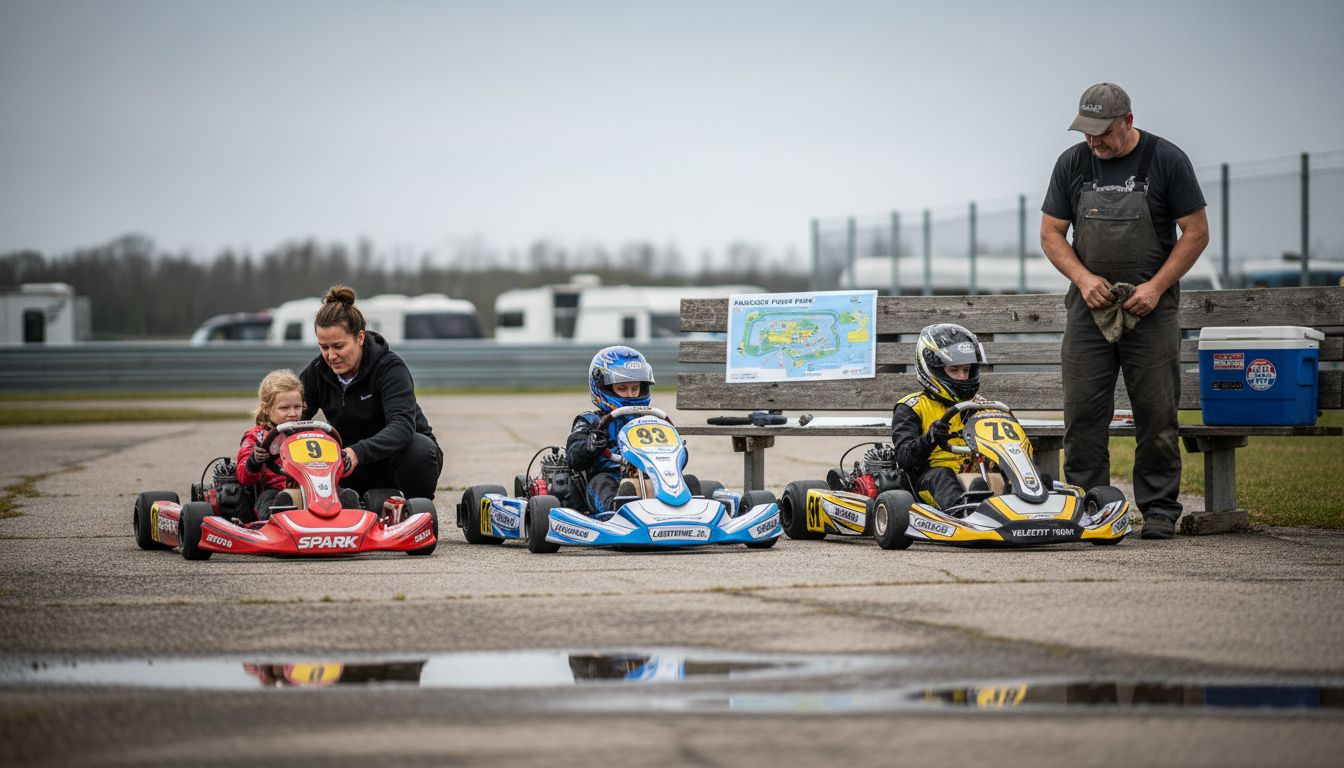
For a quick reference, here is how major youth go-kart age categories compare:
| Category | Typical Age Range | Engine Power | Main Focus |
| Kid Karts | 5-7 years | Very low (under 5hp) | Basic control, safety |
| Cadet/Sportsman | 8-12 years | Low (5-9hp) | Skill development |
| Junior | 12-15 years | Moderate (9-15hp) | Competitive racing skills |
| Senior | 15-18 years | Higher (>15hp) | Advanced tactics, speed |
Engine sizes and chassis designs are specifically tailored to match each age group’s physical capabilities. Younger categories feature smaller, more controlled engines that prioritize safety, while older categories gradually introduce more powerful machines that challenge drivers’ emerging skills.
Karting categories are not just about age - they represent structured learning pathways for young motorsport enthusiasts.
Pro tip: Always consult local karting associations to understand precise age category requirements and recommended safety equipment for your specific racing class.
Top Safety Standards and Essential Features
Youth go-karting safety is a comprehensive approach that prioritizes protecting young racers through rigorous safety protocols designed specifically for children and teenagers. The sport’s commitment to safety extends far beyond basic protective equipment, encompassing vehicle design, track management, and comprehensive training programs.
Essential safety gear for youth go-kart racers includes:
-
Helmets: Full-face models providing complete head protection
-
Racing suits: Flame-resistant clothing with padding
-
Gloves: Providing grip and hand protection
-
Closed-toe shoes: Preventing foot injuries during racing
-
Neck braces: Protecting against potential whiplash injuries
Chassis design plays a critical role in youth go-kart safety. Modern karts incorporate advanced safety features like roll cages, reinforced frames, and impact-absorbing materials that minimize potential injury risks. Safety-conscious karting programs emphasize not just equipment, but also teaching young drivers proper track etiquette and emergency response techniques.
Safety in youth go-karting is not an option - it’s a fundamental requirement for participation.
Pro tip: Always invest in high-quality, properly fitted safety gear and ensure your child receives professional instruction before entering any racing environment.
Age, Height, and Legal Requirements Worldwide
Youth go-karting regulations demonstrate significant variation across different countries, with global age and height standards creating a complex landscape for young racers and their parents. Understanding these nuanced requirements is crucial for ensuring safe and legal participation in go-kart racing.
Typical age and height requirements for youth go-karting include:
-
Minimum Age: Generally 5-6 years old
-
Minimum Height: Approximately 4 feet (122 cm)
-
Maximum Age for Junior Categories: 15-16 years old
-
Parental Consent: Required in most jurisdictions
-
Training Certification: Often mandatory for competitive racing
Legal requirements extend beyond simple age restrictions. Different regions impose unique regulations concerning kart specifications, engine power, track access, and mandatory safety equipment. Some countries require specialized insurance, professional training certification, and explicit parental permission before allowing children to participate in go-karting activities.
Below is a summary of essential legal and safety requirements across different regions:
| Requirement | Typical Standard | Regional Variation Example |
| Minimum Age | 5-6 years | Some countries: 7 years minimum |
| Minimum Height | 4 feet (122 cm) | Can vary by 5-10 cm per country |
| Parental Consent | Mandatory | Usually written; some require notarization |
| Training Certification | Often required | Some regions only for races |
| Insurance Needed | Sometimes required | Certain countries mandate special coverage |
International go-karting standards prioritize child safety through comprehensive, region-specific legal frameworks.
Pro tip: Always consult local karting associations and verify specific regional requirements before allowing your child to participate in go-kart racing.
Choosing the Right Youth Go-Kart for Your Child
Selecting the ideal youth go-kart requires careful consideration of multiple factors, including child’s age and skill progression. The perfect kart serves as both an exciting recreational tool and a safe learning platform for young motorsport enthusiasts.
Key factors to consider when choosing a youth go-kart include:
-
Physical Size: Match kart dimensions to your child’s height and weight
-
Skill Level: Select a kart appropriate for beginner, intermediate, or advanced riders
-
Safety Features: Prioritize karts with robust safety mechanisms
-
Adjustability: Choose models with adaptable seating and control configurations
-
Budget: Consider initial cost and long-term maintenance expenses
Recommended selection strategies involve gradual skill development approaches that allow children to grow with their vehicle. Start with smaller, slower karts for complete beginners and progressively upgrade as your child gains confidence and technical skills. Local karting clubs often provide invaluable advice about age-appropriate models and safe racing practices.
The right go-kart is an investment in your child’s confidence, skills, and passion for motorsports.
Pro tip: Before purchasing, consider renting or test-driving multiple kart models to understand your child’s genuine interest and comfort level.
Discover the Perfect Youth Go-Kart to Fuel Your Child’s Passion
Introducing youth go-karts to your child is more than just buying a vehicle it is about unlocking a safe and exciting world of motorsports where skill development and fun go hand in hand. The article highlights critical challenges like finding age-appropriate models with essential safety features and navigating legal requirements to ensure your young racer thrives with confidence and protection.
At GokartsUSA.biz, we understand these needs and offer a broad selection of youth go-karts designed specifically to meet various age categories and skill levels. Whether you seek beginner-friendly karts with simplified controls or models packed with safety features like reinforced chassis and speed restrictions, we have you covered.
Enjoy exclusive spring sale offers plus free shipping and complimentary accessories including helmets to keep your child safe from the very start. Let us help you make an informed choice with detailed product descriptions and images that bring clarity to your purchase.

Start your child’s journey into the exciting world of youth go-karting today Explore our trusted collection at GokartsUSA.biz and select the ideal kart that balances fun safety and performance perfectly. The right go-kart is waiting to ignite your child’s passion for motorsports so act now and give them the best start possible.
Frequently Asked Questions
What are youth go-karts designed for?
Youth go-karts are specially engineered for children and young enthusiasts, typically between ages 6-15, to provide a safe introduction to driving and racing mechanics while developing essential skills like hand-eye coordination and spatial awareness.
What are the key safety features of youth go-karts?
Youth go-karts incorporate essential safety features such as roll bars, restricted speed limits, reinforced frames, and lightweight construction. Additionally, proper safety gear like helmets and racing suits are crucial for protecting young racers.
How are youth go-karts categorized by age and skill level?
Youth go-karts are categorized into different age groups: Kid Karts (ages 5-7), Cadet/Sportsman (ages 8-12), Junior (ages 12-15), and Senior (ages 15-18). Each category corresponds to specific engine power and skill development to ensure safe racing experiences.
What should parents consider when choosing a youth go-kart?
Parents should consider factors like their child’s physical size, skill level, safety features, adjustability of the kart, and budget. Selecting the right kart facilitates a safe and enjoyable learning experience in motorsports.