



TL;DR:
- Spring is the best time to buy powersports vehicles because demand is low, and prices are at their lowest.
- Matching your vehicle to your terrain and skill level ensures safer riding and better enjoyment.
A spring powersports buying guide is a seasonal purchasing framework that helps outdoor enthusiasts select the right recreational vehicle, time their purchase for maximum value, and gear up safely before peak riding season. Powersports is the industry term covering go-karts, ATVs, UTVs, mini bikes, and dirt bikes built for off-road and recreational use. Spring is the single best window to buy because prices rise late spring and summer, making early action the smartest move. This guide covers vehicle selection, budgeting, used vehicle inspection, and the gear you need to ride with confidence.
1. Why spring is the best time to buy powersports vehicles
The optimal purchase window runs from february through april, combining winter clearance pricing with early spring promotional deals. Demand is low during those months, which means dealers have more inventory and more motivation to negotiate. Once late spring arrives, prices climb and popular models sell out fast. Buyers who act early get better selection and better value.
Spring sales also extend to accessories and safety gear. Dealers bundle helmets, gloves, and protective clothing into promotional packages during this window. That means you can outfit yourself completely for less than you would pay in june or july. Timing your purchase right is one of the most underrated powersports buying tips.
- Clearance pricing on prior-year models runs through march
- Spring promotional bundles often include free helmets or gift cards
- Financing rates from dealers tend to be more competitive early in Q2
- Popular models in youth and entry-level categories sell out by may
Pro Tip: Plan your purchase by early march to get the widest selection and the strongest promotional pricing before peak demand kicks in.
2. How to choose the right vehicle for your spring riding
Terrain mapping is the most reliable method for choosing the right powersports vehicle. Identify where you ride 80% of the time and match that terrain to a vehicle class. Woods and tight trails favor compact ATVs or dirt bikes. Open fields and farm roads suit UTVs or larger ATVs. Pavement and neighborhood use calls for go-karts or mini bikes. Buying for a fantasy use case instead of your real riding environment is the most common and costly mistake buyers make.
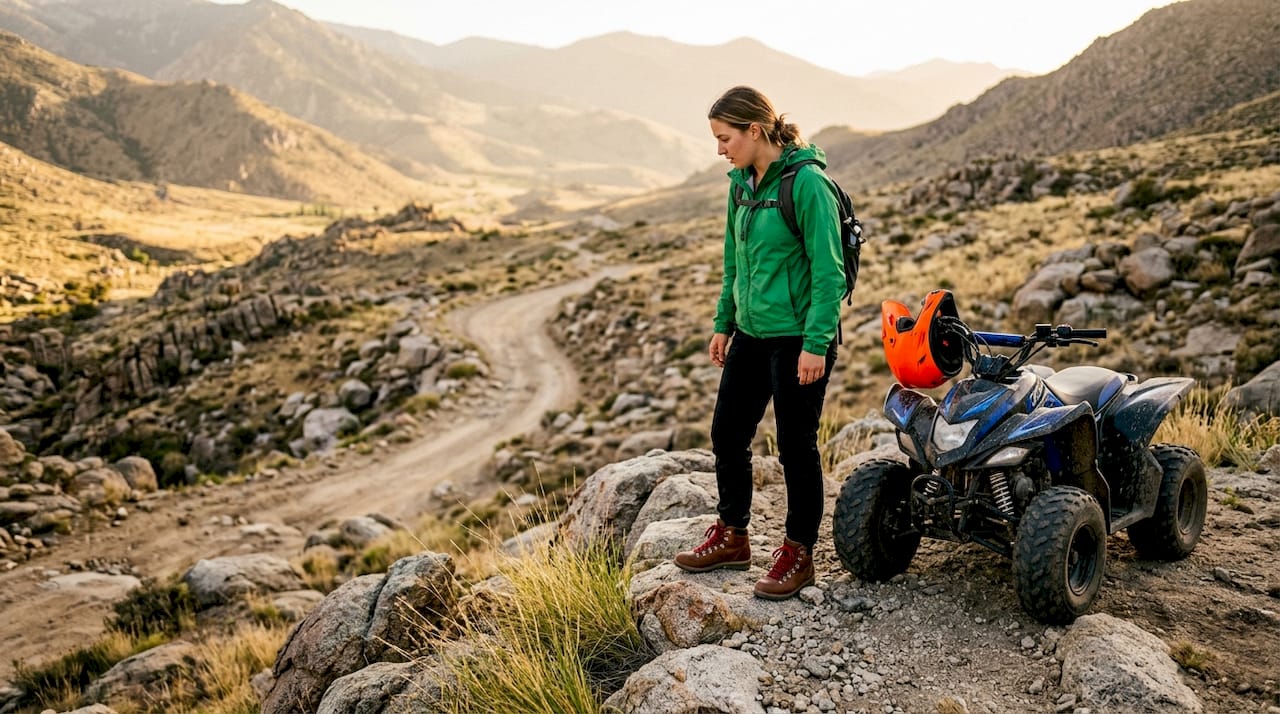
Skill level matters as much as terrain. Beginners should choose modest-powered vehicles to build skills safely, because high-performance machines can overwhelm new riders and increase accident risk. A 110cc ATV or a 40cc dirt bike gives a new rider full control without sacrificing fun. You can always upgrade once your skills grow. Locking into a machine that is too powerful on day one creates fatigue, poor handling, and real danger.
Safety features also shape the decision. Roll cages and seat belts on UTVs add meaningful protection for family riders. Electronic Power Steering (EPS) reduces arm fatigue on longer trail rides. For younger riders, parental remote start and kill switches give adults direct control over the vehicle. These features are not luxury add-ons. They are practical tools that make riding safer and more enjoyable for everyone.
Pro Tip: Avoid the “big engine trap.” A properly sized vehicle reduces fatigue, builds confidence faster, and keeps you in control on varied terrain.
3. What to look for when buying a used powersports vehicle
Used vehicles offer real savings, but physical inspection alone is not enough. Third-party VIN checks using services like VINCheckPro or the NICB database protect you from buying stolen or totaled machines. A clean-looking vehicle can carry a salvage title or an active theft report. Always run the VIN before you hand over any money.
The physical inspection still matters. Check for milky oil in the engine, which signals water ingress and internal damage. Inspect the frame for cracks or welds that indicate crash repairs. Test the brakes, suspension travel, and all electrical systems including lights and kill switches. Ask for a full maintenance history and confirm the VIN on the frame matches the title paperwork exactly.
“A used vehicle that looks clean on the outside can hide serious internal damage. Milky oil, mismatched VINs, and missing service records are red flags that no deal is worth ignoring.”
Spring listings are a good hunting ground for used inventory. Many owners sell after winter storage, which means you can find well-maintained machines at fair prices. Dealer-certified pre-owned programs add another layer of confidence because they include inspection reports and limited warranties. Private sales require more due diligence but can yield better prices if you do the homework.
- Pull the VIN and run it through a third-party database before inspecting in person
- Check engine oil for milky or grayish color indicating water contamination
- Inspect the frame, welds, and undercarriage for signs of crash damage
- Test brakes, suspension, and all electrical components during a test ride
- Confirm the VIN on the frame matches the title and registration documents
- Request a full service history and look for consistent maintenance intervals
- For dealer purchases, ask for a certified pre-owned inspection report
4. Budgeting for the true cost of powersports ownership
The purchase price is only the starting point. Annual ownership costs include $200–$600 for insurance, $300–$800 for maintenance, and $1,200–$3,500 for towing and trailer setup. Those numbers add up fast, especially for first-time buyers who focus only on the sticker price. Building a full ownership budget before you buy prevents financial surprises in the first season.
Safety gear is a non-negotiable line item. Allocate at least 15% of your purchase price specifically for certified helmets, boots, gloves, and protective clothing. On a $3,000 vehicle, that means setting aside $450 for gear before you ride a single mile. Skipping this step does not save money. It shifts risk onto your body.
New vehicles carry higher sticker prices but lower maintenance risk in year one. Used vehicles save money upfront but may require immediate repairs that eat into that savings. Spring sales on new entry-level models often close the gap significantly. Financing adds interest costs, so calculate the total repayment amount, not just the monthly payment, before committing.
Pro Tip: Build your full ownership budget in a spreadsheet before you shop. Include insurance, gear, maintenance, and trailer costs alongside the vehicle price. The real number is always higher than the sticker.
| Cost Category | Estimated Annual Range |
|---|---|
| Insurance | $200–$600 |
| Maintenance | $300–$800 |
| Towing and trailer | $1,200–$3,500 |
| Safety gear (initial) | $200–$500 |
| Financing interest | Varies by term and rate |
5. Legal requirements every buyer must know before riding
State-specific legal requirements for registration, helmet laws, and off-road permits vary widely across the country. Failing to comply complicates ownership and can make resale harder. Some states require ATVs to be registered as motor vehicles. Others restrict where off-road vehicles can legally operate. Research your state’s rules before you finalize any purchase.
Helmet laws are the most commonly misunderstood requirement. Some states mandate DOT-certified helmets for all riders. Others apply the rule only to riders under a certain age. Buying a DOT-certified helmet regardless of local law is the right call because it protects you whether the law requires it or not. Legal compliance and personal safety are not the same thing, and the smarter standard is the higher one.
Off-road permits and land-use rules also affect where you can ride. National forests, state parks, and private trail networks each have their own access rules. Confirm that your intended riding area allows your vehicle class before you buy. A vehicle that cannot legally access your preferred trails is a poor investment no matter how good the deal was.
6. Essential spring powersports accessories and safety gear
DOT or ECE-certified helmets are the single most important piece of gear you can buy. A certified helmet meets tested impact standards that uncertified options do not. Spring weather adds variability, so a helmet with a ventilation system handles warm afternoon rides without overheating. Full-face helmets offer the most protection for off-road and trail riding.
Gloves, boots, and eyewear complete the core safety kit. Riding gloves protect your hands in a fall and improve grip in wet spring conditions. Over-the-ankle boots with ankle support prevent the most common lower-body injuries in powersports. Goggles or a face shield block mud, debris, and UV exposure on open trails. These items cost far less than an emergency room visit.
- DOT or ECE-certified full-face helmet for trail and off-road riding
- Over-the-ankle riding boots with ankle and toe protection
- Riding gloves with palm padding and wrist closure
- Goggles or a face shield rated for debris and UV protection
- Chest protector or riding jacket with CE-rated armor inserts
- Maintenance kit: tire gauge, chain lube, and basic hand tools for spring upkeep
Pro Tip: Buy your safety gear at the same time as your vehicle. Spring promotional bundles from dealers often include helmets or gear credits, which cuts your total gear cost significantly.
Key takeaways
The best spring powersports purchase combines terrain-matched vehicle selection, early-season timing for pricing, and a full ownership budget that includes safety gear, insurance, and maintenance.
| Point | Details |
|---|---|
| Buy in february through april | Prices are lowest before peak spring demand drives costs up. |
| Match vehicle to terrain and skill | Identify your real riding environment and choose power appropriate to your experience level. |
| Inspect used vehicles thoroughly | Run a VIN check and look for milky oil, frame damage, and mismatched paperwork. |
| Budget 15% for safety gear | Allocate at least 15% of the vehicle price for certified helmets, boots, and protective clothing. |
| Verify state legal requirements | Confirm registration, helmet laws, and off-road permits before finalizing any purchase. |
What I have learned from watching buyers get spring powersports wrong
Most buyers I talk to make the same two mistakes. They either buy too much power for their skill level, or they ignore the true cost of ownership until the bills arrive. Both are avoidable with a little honest self-assessment before you shop.
The terrain mapping approach is the single most useful tool I have seen for cutting through the noise. When you force yourself to answer “where do I ride 80% of the time,” the right vehicle becomes obvious. The fantasy of blasting through mountain trails fades quickly when you realize your actual riding happens on flat fields near your house. Matching your vehicle to real use saves money and makes every ride more enjoyable.
Used vehicle buyers consistently underestimate how much a bad purchase can cost. A $2,000 machine with hidden engine damage can turn into a $3,500 repair bill inside of one season. The VIN check step takes ten minutes and costs very little. Skipping it to save time is a false economy that I have seen burn buyers more times than I can count.
Spring is genuinely the best time to buy, but only if you show up prepared. Know your budget, know your terrain, and know your skill level before you walk onto a lot or open a product page. The deals are real. The savings are real. But they only benefit buyers who have done the homework first.
— Mario
Gokartsusa has the spring lineup you have been waiting for
Spring is here, and Gokartsusa has the vehicles and gear to get your season started right. Whether you are shopping for yourself or picking out a first ride for your kids, the catalog covers everything from entry-level go-karts to youth ATVs with parental safety controls.
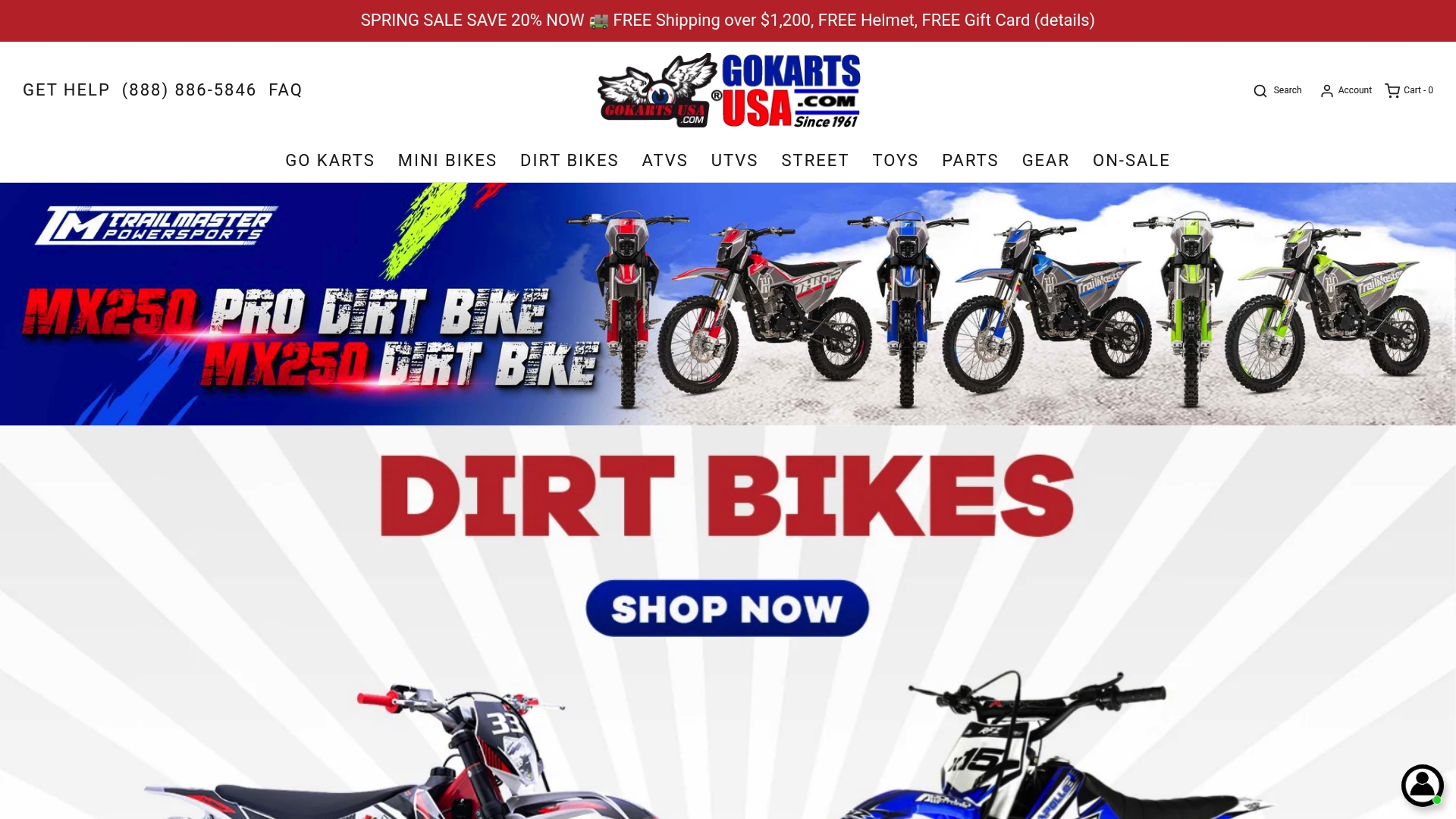
The Mini Sport Kids ATV with parental remote start gives parents direct control while kids build confidence on the trail. The Sport Kart gas go-kart delivers real outdoor fun for riders ages 8 and up. For teens ready for two wheels, the Gas Powered Mini Bike offers automatic operation and manageable power. Gokartsusa also offers financing options and expert customer support to help you find the right fit at the right price this spring.
FAQ
What is the best time of year to buy a powersports vehicle?
The best window is february through april. Prices are lowest during this period because demand has not yet peaked, and dealers offer clearance and promotional deals before the busy spring and summer season.
How much should I budget beyond the vehicle purchase price?
Budget at least 15% of the vehicle price for safety gear, plus $200–$600 for annual insurance and $300–$800 for maintenance. Towing and trailer costs can add $1,200–$3,500 depending on your setup.
What should I check when buying a used powersports vehicle?
Run a VIN check through a third-party service, inspect the engine oil for milky discoloration, examine the frame for crash damage, and confirm the VIN on the frame matches the title paperwork exactly.
What vehicle should a beginner choose for spring riding?
Beginners should choose modest-powered vehicles such as a 110cc ATV or a 40cc dirt bike. Lower power levels build skills safely and give new riders full control before they move up to higher-performance machines.
Do I need to register my powersports vehicle before riding?
Registration requirements vary by state. Some states require ATVs and off-road vehicles to be registered as motor vehicles, and off-road permits may be required for certain trails or public lands. Check your state’s specific rules before your first ride.