



TL;DR:
- Beginners should select powersports vehicles that match their skill level and terrain, prioritizing control and comfort. Good safety habits include wearing certified protective gear, completing formal training, and inspecting vehicles before every ride. Regular maintenance and proper preparation help ensure safety and extend vehicle longevity for new riders.
A checklist for powersports beginners is a structured set of steps covering vehicle selection, protective gear, riding skills, and routine maintenance before you ever hit the trail. Getting these four areas right separates a confident, safe rider from one who learns hard lessons the expensive way. Industry safety standards like DOT helmet certification, CE EN17092 gear ratings, and Motorcycle Safety Foundation training programs all shape what belongs on this list. Gokartsusa has helped thousands of new riders gear up and get rolling, and this guide reflects that real-world experience.
How to choose the right powersports vehicle as a beginner
The right vehicle for a beginner is one that matches your skill level, body size, and intended terrain. Buying too much power too soon is the single most common mistake new riders make. A machine you can control builds confidence fast. One that overwhelms you kills it.
Engine size and power range
For motorcycles, 300cc to 650cc is the recommended engine range for new riders. That window delivers enough power to feel the thrill without punishing throttle response. ATVs and UTVs for beginners follow a similar logic: entry-level models in the 110cc to 400cc range give you room to grow. Kids starting out on dirt bikes or go-karts do best with automatic transmissions and engines under 125cc.
Vehicle type and terrain fit
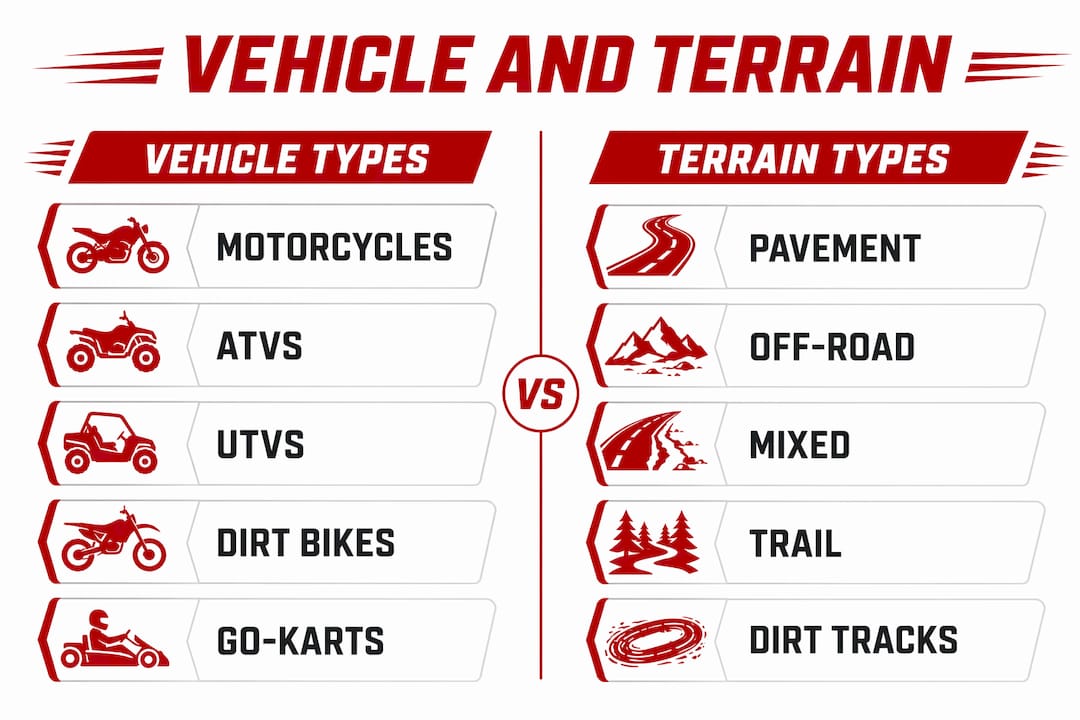
Motorcycles, ATVs, UTVs, dirt bikes, and go-karts each suit different riding environments. ATVs handle varied terrain well and offer four-wheel stability, making them a popular first choice for off-road beginners. UTVs add a roll cage and passenger seating, which many families prefer. Dirt bikes are lighter and more maneuverable but demand more active balance. Go-karts are ideal for younger riders learning throttle and brake control in a controlled setting.
Ergonomic fit matters more than looks
Proper seat height and control reach directly increase novice rider confidence. When you can place at least one foot flat on the ground and reach the handlebars without stretching, you have real control. A vehicle that forces awkward posture leads to poor throttle and brake response, which raises your risk on every ride.
- Engine size: 300–650cc for motorcycles, 110–400cc for ATVs and UTVs
- Transmission: automatic preferred for first-time riders
- Seat height: at least one foot flat on the ground
- Weight: lighter vehicles are easier to manage at low speeds
- Terrain match: choose a vehicle built for where you plan to ride
Pro Tip: Sit on at least three different models before buying. What feels right in photos often feels wrong in person. Comfort at a standstill translates directly to confidence at speed.
What safety gear does a beginner need?
Protective gear is not optional. It is the difference between walking away from a fall and spending weeks in recovery. Every beginner needs a complete gear setup before the first ride, not after the first close call.
Helmet standards you must know
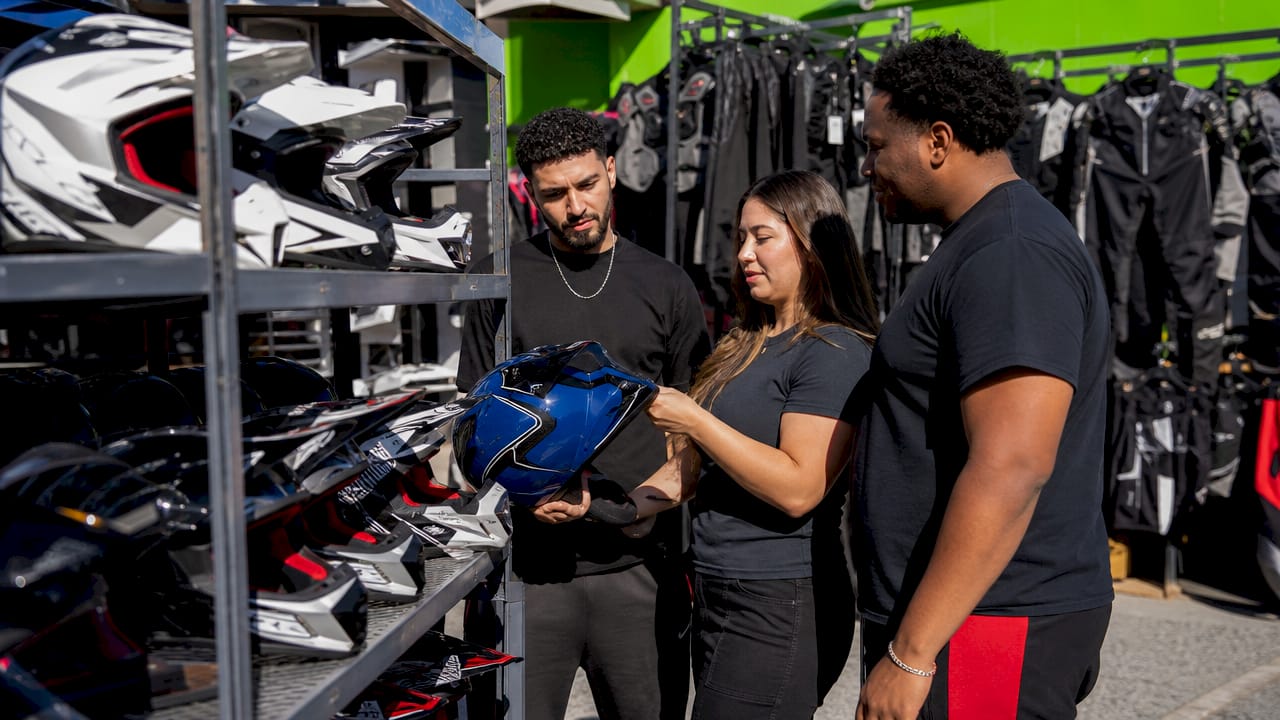
A certified helmet is the first item on any powersports safety checklist. Look for DOT (Department of Transportation), ECE (Economic Commission for Europe), or Snell certification on the label. These standards confirm the helmet has passed real impact testing. A helmet without one of these marks offers no verified protection.
Jacket and pants: the CE EN17092 standard
CE EN17092 certification with an AA rating is the recommended standard for beginner riding jackets and pants. AA is the highest abrasion resistance level in that standard. It means the material holds up during a slide, protecting your skin when it matters most. Gear that looks tough but lacks this certification may shred on contact with pavement.
Full gear list for new riders
- DOT, ECE, or Snell-certified helmet
- CE EN17092 AA-rated jacket and pants
- Reinforced gloves with knuckle protection
- Ankle-supporting boots rated for riding
- Goggles or a full-face visor for eye protection
- Chest protector for off-road and dirt bike riding
Safety gear requires regular inspection for wear and terrain appropriateness. A helmet that has taken one hard impact needs replacement, even if it looks fine. Gloves with worn palms and jackets with cracked armor panels reduce protection significantly.
Pro Tip: Follow the mantra “dress for the slide, not the ride.” Every ride, no matter how short, carries the same fall risk. Full gear every time is the only standard worth keeping.
What riding skills should every beginner master first?
Riding skill is what keeps you safe when conditions change. Gear protects you after a crash. Skill prevents one. Every beginner needs formal training before riding on public roads or challenging terrain.
Why formal training is non-negotiable
34% of motorcycle operators in fatal crashes in 2023 were riding without a valid license. That statistic reflects a direct link between skipping formal training and fatal outcomes. The Motorcycle Safety Foundation (MSF) offers beginner courses that cover braking, cornering, and emergency response in a controlled environment. Completing an MSF course also qualifies riders for insurance discounts in many states.
Core skills to practice before riding open terrain
- Throttle control. Smooth, gradual acceleration prevents wheel spin and loss of traction.
- Braking technique. Apply front and rear brakes together with steady pressure. Grabbing the front brake alone causes front-wheel lockup.
- Weight shifting. Lean your body into turns rather than fighting the vehicle. This keeps tires in contact with the ground.
- Riding posture. Relaxed grip, bent elbows, and feet on pegs reduce fatigue and improve reaction time.
- Low-speed maneuvering. Practice tight turns and slow-speed balance before building speed.
A pre-ride inspection is as important as the ride itself. Check tires for pressure and damage, test brakes for firm response, confirm all fluid levels, verify lights work, and inspect controls for free movement. A pre-ride inspection of tires, brakes, controls, and fluids prevents accidents caused by mechanical failure.
Never ride impaired, distracted, or in weather conditions beyond your skill level. Check forecasts before every ride. Build confidence on familiar, low-traffic terrain before moving to open trails or roads. The “skill first, speed later” approach is the most reliable path to long-term enjoyment in powersports.
What maintenance does a beginner need to do regularly?
Mechanical failures cause accidents. Regular maintenance prevents them. Beginners often budget for the vehicle and gear but underestimate the ongoing cost and effort of keeping a powersports vehicle in safe condition.
Core maintenance tasks and intervals
| Maintenance Task | Frequency | Why It Matters |
|---|---|---|
| Tire pressure check | Before every ride | Incorrect pressure affects handling and traction |
| Brake inspection | Weekly or every 5 rides | Worn pads reduce stopping power significantly |
| Chain lubrication | Every 300–500 miles | A dry chain wears sprockets and can snap |
| Fluid levels (oil, coolant, brake) | Monthly | Low fluids cause overheating and brake failure |
| Air filter cleaning | Every 1,000–2,000 miles | A clogged filter reduces power and fuel efficiency |
| Full service inspection | Per manufacturer schedule | Catches wear before it becomes a safety issue |
Follow the manufacturer’s recommended service intervals exactly. Skipping a scheduled service to save money costs far more in repairs later. Seasonal checks matter too. Before storing a vehicle for winter, drain the fuel or add a stabilizer, check battery health, and lubricate all moving parts.
Storage and transport: the overlooked essentials
Many beginners overlook storage and transport logistics, including trailer towing capacity and secure vehicle storage. This gap affects both safety and the ownership experience. Confirm your tow vehicle can handle the combined weight of the trailer and the powersports vehicle before your first haul. A quality fitted cover and a dry, ventilated storage space protect your investment between rides.
A reputable powersports dealer acts as a consultant for beginners, helping with local laws, registration, and maintenance schedules. Building that relationship early prevents costly mistakes and keeps your vehicle legal and road-ready. Gokartsusa provides product guidance and support resources to help new riders stay on top of ownership responsibilities from day one. For a deeper look at keeping your vehicle in top shape, the powersports maintenance guide from Gokartsusa covers every key task in detail.
Pro Tip: Create a simple maintenance log in a notebook or phone app. Record every service, fluid change, and inspection with the date and mileage. This log protects your warranty and helps a dealer diagnose problems faster.
Key Takeaways
A complete beginner powersports checklist covers vehicle fit, certified protective gear, formal riding training, and consistent maintenance to build safety and confidence from the first ride forward.
| Point | Details |
|---|---|
| Choose the right vehicle | Match engine size, weight, and ergonomics to your skill level before buying. |
| Gear up to certified standards | Use DOT-certified helmets and CE EN17092 AA-rated jackets and pants on every ride. |
| Complete formal training | MSF courses and proper licensing reduce fatal crash risk significantly. |
| Inspect before every ride | Check tires, brakes, fluids, lights, and controls before starting the engine. |
| Maintain on schedule | Follow manufacturer service intervals and log every task to prevent mechanical failures. |
What I’ve learned after years of watching beginners get it right and wrong
The riders who thrive long-term share one habit: they treat skill as the priority, not the afterthought. Speed and power are easy to buy. Control takes time to earn. I have seen riders on modest 125cc machines outride people on 600cc bikes simply because they put in the practice hours first.
The gear argument surprises me most. Riders who would never skip a seatbelt will hop on a trail bike in sneakers and a t-shirt for “just a quick loop.” That logic does not hold up. A fall at 15 mph on gravel does the same damage as one at 40 mph on pavement if you are not dressed for it. Full gear, every ride, no exceptions.
The maintenance piece is where beginners lose money fast. They buy the vehicle, skip the first service, and then face a repair bill that exceeds what the service would have cost. A beginner’s guide to entry-level powersports can help you understand what ownership actually looks like before you commit. Find a dealer you trust and use them. The relationship pays for itself in avoided mistakes.
Powersports rewards patience. The riders having the most fun are not the fastest ones. They are the ones who built their skills deliberately, respect their gear, and keep their machines in top condition. That foundation makes every ride better.
— Mario
Gokartsusa has the right starting point for new riders
Ready to put this first time powersports checklist into action? Gokartsusa carries a full lineup of beginner-friendly vehicles built for new riders of every age, from young kids taking their first laps to adults ready for trail riding.
The Mini Sport Kids ATV with its 110cc engine and parental remote start is one of the most popular entry points for families. For riders ages 12 and up, the automatic gas mini bike with its 3.5hp 4-stroke engine delivers manageable power with easy operation. Gokartsusa also offers the Sport Kart Kids Gas Go Kart for younger riders ages 8 and up who want to build throttle and brake skills in a stable, four-wheeled platform. Every model ships with safety in mind and the support to back it up.
FAQ
What is the most important item on a powersports safety checklist?
A DOT, ECE, or Snell-certified helmet is the single most critical piece of gear for any powersports beginner. No other item reduces head injury risk as directly or as significantly.
What engine size should a beginner choose for a motorcycle?
Beginners should target engines in the 300–650cc range, which provides manageable power and better throttle control during skill development. Anything above 650cc significantly increases the difficulty of learning safe riding habits.
Do beginners need formal riding training before hitting the trail?
Formal training through a program like the Motorcycle Safety Foundation is strongly recommended. Unlicensed operators were involved in 34% of fatal motorcycle crashes in 2023, which shows the direct safety impact of skipping structured instruction.
How often should a beginner inspect their powersports vehicle?
A basic inspection covering tires, brakes, fluids, lights, and controls should happen before every single ride. A full service inspection should follow the manufacturer’s recommended schedule, typically every season or set mileage interval.
What gear standards should beginner powersports riders look for?
Look for DOT or Snell certification on helmets and CE EN17092 AA rating on jackets and pants. These certifications confirm the gear has passed standardized impact and abrasion resistance testing.