




TL;DR:
- Proper maintenance of powersports vehicles is essential to prolong their lifespan, improve performance, and ensure rider safety. Regular, scheduled upkeep like oil changes, fluid checks, and tire inspections significantly reduces breakdowns and repair costs, extending vehicle life to 10–15 years or more. Proper cleaning and seasonal routines, along with the use of specialized tools, help identify issues early and maintain vehicles in peak condition.
Proper maintenance of powersports vehicles is the single most reliable way to protect your investment, extend performance, and keep every ride safe. Whether you own an ATV, UTV, mini bike, go-kart, or personal watercraft, the core discipline is the same: consistent, scheduled upkeep covering fluids, filters, tires, battery care, cleaning, and seasonal preparation. Knowing how to maintain powersports vehicles the right way means fewer breakdowns, lower repair bills, and more time on the trail. With the right habits and tools, vehicle lifespan extends to 10–15 years or more.
What are the essential maintenance tasks for powersports vehicles?
Regular maintenance is not optional. It is the foundation of reliable performance across every powersports category, from kids’ ATVs to full-size UTVs.
Oil changes and fluid checks
Oil is the lifeblood of any engine. Experts recommend oil changes every 6 months or every 6,000 kilometers, with shorter intervals for hard or dusty riding. Fresh oil removes contaminants and prevents the microscopic wear that quietly destroys engines over time. For new vehicles, the first oil change at 10 hours of operation is critical. Factory break-in metal shavings circulate in that first fill, and leaving them in the engine causes scoring that shortens its life permanently.
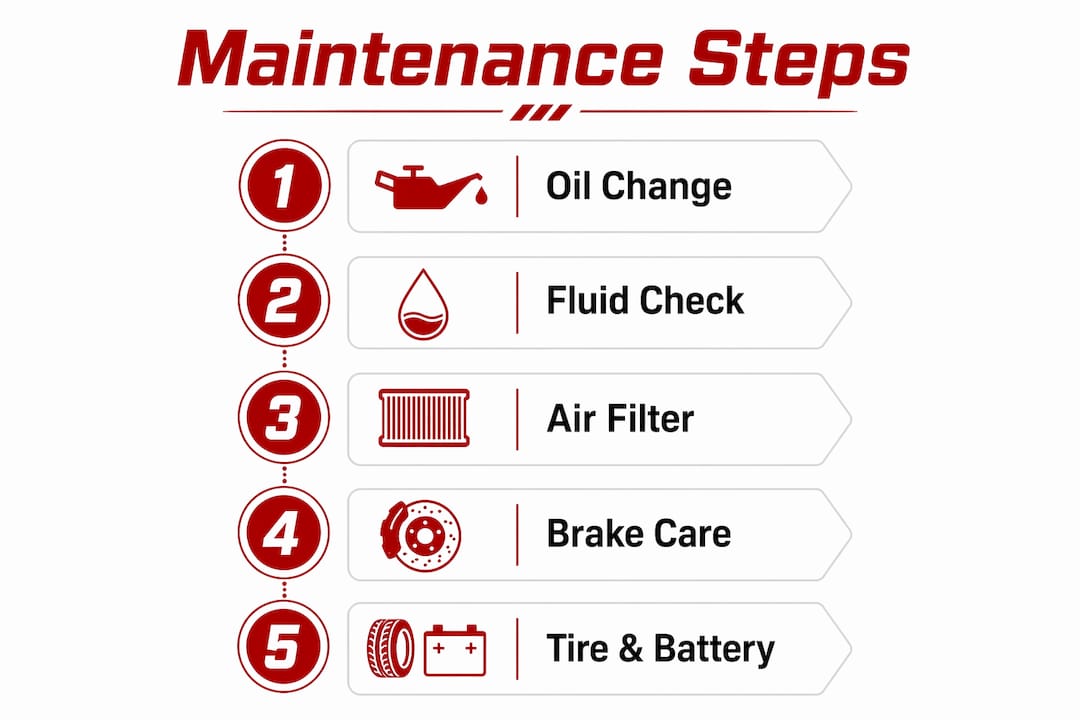
Beyond engine oil, check coolant levels, brake fluid, and gear oil on a regular schedule. Each fluid serves a specific protective function, and neglecting any one of them creates a chain reaction of wear.
Air filter inspection and replacement
A clogged air filter starves the engine of oxygen and forces it to run rich, burning more fuel and producing less power. Inspect the air filter after every dusty or muddy ride. Foam filters can be cleaned with filter oil and reused; paper filters need replacement when visibly dirty. Keeping airflow clean is one of the lowest-cost, highest-impact maintenance tasks you can perform.
Brake system care
Brake fluid is hygroscopic, meaning it absorbs moisture from the air over time. That absorbed moisture lowers the fluid’s boiling point and reduces stopping power. Replace brake fluid every two years at minimum. If you ride in a humid climate or near saltwater, annual replacement is the safer standard. Always inspect brake pads for thickness and replace them before they reach the wear indicator.
Tire inspection and battery maintenance
Tire pressure affects handling, traction, and tire wear. Check pressure before every ride and adjust for terrain. Soft ground riding calls for lower pressure; hard-packed trails and pavement require higher inflation. Visually inspect sidewalls and tread for cuts, cracks, or embedded debris after every outing.
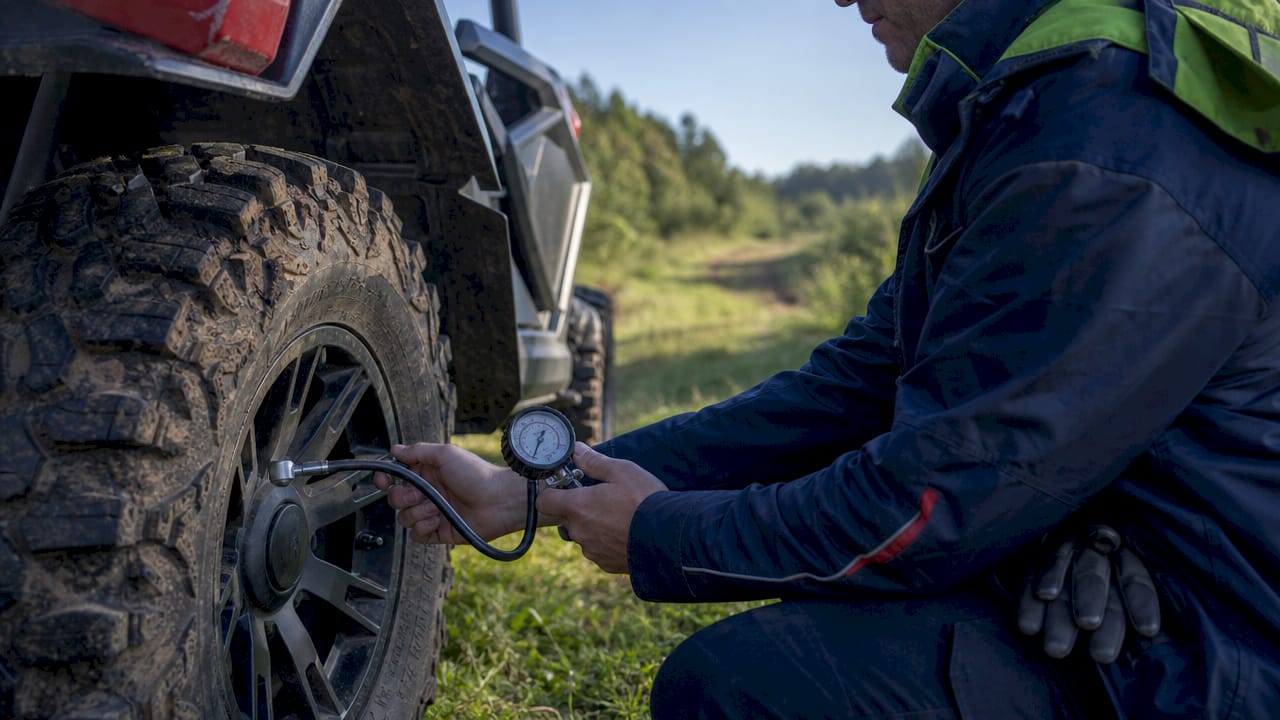
Battery care is equally straightforward. Use a smart charger or battery tender during storage periods to prevent deep discharge. A deeply discharged battery sulfates internally and loses capacity permanently. Checking terminals for corrosion and cleaning them with a wire brush takes less than five minutes and prevents a no-start situation on your next ride day.
Pro Tip: Keep a small notebook in your garage and log every fluid change, filter swap, and tire pressure check with the date and mileage. This log becomes your maintenance history and helps you spot patterns before they become problems.
How do you properly clean and inspect your powersports vehicle?
Washing your vehicle is not just about keeping it looking good. Cleaning reveals hidden mechanical issues like torn boots, loose fasteners, and early corrosion that a quick visual scan will miss. Think of every wash as a rolling inspection.
Washing technique and materials
Rinse the entire vehicle with fresh water after every ride, especially after saltwater or muddy outings. Salt accelerates corrosion on metal fasteners, frame welds, and electrical connectors at a rate that can cause serious structural damage within a single season. Use a low-pressure rinse rather than a high-pressure washer near electrical components, bearings, and air intakes. High pressure forces water into seals that are designed to keep it out.
Wipe down exterior surfaces, engine compartments, and intake areas with microfiber cloths. Microfiber lifts grit without scratching painted or polished surfaces. Use a purpose-formulated powersports cleaner for stubborn grease and mud. Avoid household detergents, which strip protective coatings and dry out rubber components.
What to look for during inspection
After washing, walk the entire vehicle slowly and look for specific warning signs. Check CV boots and axle boots for tears or splits. A torn boot throws grease and exposes the joint to dirt, leading to rapid wear. Look at all visible fasteners and check for looseness, rust, or missing hardware. Inspect the frame and welds for cracks, especially around footpegs, steering components, and suspension mounts.
Pro Tip: After washing, run the engine for two to three minutes. This clears water from the exhaust and dries out components that trap moisture. It also lets you listen for any new sounds that appeared after the ride.
What seasonal maintenance maximizes powersports vehicle longevity?
Seasonal maintenance is the structured rhythm that keeps powersports vehicles reliable year after year. Each season brings specific threats, and addressing them on schedule prevents the compounding damage that leads to expensive repairs.
Spring startup checklist
Before the first ride of the season, work through these checks:
- Inspect all fluid levels: engine oil, coolant, brake fluid, and gear oil.
- Check belts and drive components for cracking, fraying, or glazing.
- Test brakes for proper feel and pad thickness.
- Inspect suspension components and grease all serviceable fittings.
- Check tire pressure and look for flat spots from storage.
- Test the battery with a load tester and charge fully before riding.
Following a structured ATV maintenance checklist at startup catches problems before they strand you on the trail.
Summer riding maintenance
Summer riding generates heat and dust, both of which accelerate wear. Check fluid levels more frequently during peak riding months. Clean the air filter after every dusty ride rather than waiting for a scheduled interval. Inspect coolant concentration if your vehicle is liquid-cooled, since heat cycles stress the cooling system harder in summer than in any other season.
Fall preparation and winter storage
Fall is the most critical maintenance window of the year. Change the engine oil before storage, not in spring. Old oil contains combustion acids that corrode engine internals during months of sitting. Fuel stabilizer is essential to prevent ethanol fuel degradation. Ethanol attracts moisture and clogs injectors within weeks of sitting untreated. Add stabilizer to a full tank, run the engine for ten minutes to circulate it, then shut down for storage.
| Season | Key Task | Why It Matters |
|---|---|---|
| Spring | Fluid check, belt inspection | Catches damage from storage |
| Summer | Air filter cleaning, coolant check | Prevents heat and dust damage |
| Fall | Oil change, fuel stabilization | Protects engine during storage |
| Winter | Battery tender, tire pressure check | Prevents deep discharge and flat spots |
Store vehicles in a covered, dry space. Place the vehicle on a stand if possible to take weight off the tires. Connect a battery tender to maintain charge through the cold months.
What specialized tools improve your maintenance results?
The right tools make maintenance faster, safer, and more thorough. Several are specific to powersports vehicles and not found in a standard automotive toolkit.
Oil extraction pumps and diagnostic tools
Personal watercraft present a unique challenge: PWC oil changes require an extraction pump from above because the engine cannot be drained from underneath. Many first-time PWC owners skip oil changes simply because they do not know this technique exists. An oil extraction pump draws oil out through the dipstick tube cleanly and completely.
Battery testers and smart chargers are equally valuable. A load tester tells you whether a battery can actually deliver cranking amps under load, not just whether it holds a surface charge. Smart chargers automatically switch to maintenance mode when the battery reaches full charge, preventing overcharging.
Professional diagnostic inspections catch early warnings like driveline vibration or clutch wear that most owners miss during routine checks. Scheduling a professional inspection once per year, ideally in spring, pays for itself by catching a $50 problem before it becomes a $500 repair.
Grease and lubrication tools
A grease gun with the correct fitting for your vehicle’s zerk fittings is a must-have. Suspension components, steering joints, and driveshaft U-joints all require regular greasing. Dry joints wear rapidly and create play in the steering and suspension that affects both safety and handling. Check your owner’s manual for the correct grease type and service interval for each fitting.
Pro Tip: Use a flashlight and a small mirror to inspect areas behind the engine and under the frame. These hidden spots collect debris and moisture and are where corrosion typically starts first.
Key takeaways
Consistent, scheduled maintenance is the single most effective way to extend the life and reliability of any powersports vehicle.
| Point | Details |
|---|---|
| Change oil on schedule | Replace engine oil every 6 months or 6,000 km, and immediately after the first 10 hours on a new vehicle. |
| Clean as an inspection tool | Every wash is a chance to spot torn boots, loose fasteners, and early corrosion before they cause failures. |
| Stabilize fuel before storage | Add fuel stabilizer each fall to prevent ethanol degradation and no-start conditions after winter storage. |
| Use the right tools | An oil extraction pump, battery tender, and grease gun handle tasks that standard automotive tools cannot. |
| Follow seasonal routines | Spring startup checks and fall storage prep are the two highest-impact maintenance windows of the year. |
Why I think most riders wait too long to act
The most common mistake I see among powersports owners is treating maintenance as something you do after a problem appears. By that point, the damage is already done. A torn CV boot that costs $30 to replace becomes a $400 axle replacement if you miss it for one more season. The math is brutal and completely avoidable.
What surprises most riders is how much information a thorough wash reveals. I have found loose steering bolts, cracked frame welds, and failing wheel bearings during routine post-ride cleanups. None of those issues announced themselves during the ride. They were silent until they were not.
The riders who get the most years out of their vehicles are not the ones with the most expensive machines. They are the ones who understand why maintenance matters and build a simple routine around it. A service log, a seasonal checklist, and thirty minutes after each ride will do more for your vehicle’s longevity than any upgrade you can buy.
One more thing: do not skip the professional inspection. Owners catch the obvious issues. Technicians catch the subtle ones, like early clutch wear or driveline vibration, that turn into roadside failures six months later. Schedule one every spring and treat it as part of the cost of riding.
— Mario
Gokartsusa has the vehicles worth maintaining
At Gokartsusa, we believe the best rides start with the right machine and the commitment to keep it running strong. Our catalog includes gas-powered go-karts, ATVs, and mini bikes built for real adventure, from the Sport Kart Kids Gas Go Kart designed for young riders ages 8 and up, to the Gas Powered Mini Bike built for ages 12 and up with a reliable 3.5hp 4-stroke engine.

Every vehicle we carry is designed with performance and durability in mind, and we back that up with detailed product pages, parts availability, and the kind of support you expect from fellow riders. When you are ready to add a new machine to the garage or find the right parts to keep your current ride in peak condition, Gokartsusa is your pit crew.
FAQ
How often should I change the oil on my ATV or UTV?
Change engine oil every 6 months or every 6,000 kilometers under normal riding conditions. Shorten that interval for hard, dusty, or high-heat riding.
What happens if I skip fuel stabilizer before winter storage?
Ethanol in untreated fuel attracts moisture and degrades within weeks, clogging injectors and causing no-start conditions when you return in spring. A full tank with stabilizer prevents this entirely.
Do I need special tools to maintain a personal watercraft?
Yes. PWC oil changes require an oil extraction pump because the engine cannot be drained from underneath like a standard vehicle. Standard automotive drain pans will not work for this task.
How do I know when brake fluid needs replacing?
Replace brake fluid every two years at minimum. In humid or coastal climates, annual replacement is the safer standard because brake fluid absorbs moisture from the air and loses effectiveness over time.
What is the most important inspection to do before the first spring ride?
Check all fluid levels, inspect belts and brake pads, test the battery under load, and verify tire pressure. These five checks catch the most common storage-related failures before they happen on the trail.