



TL;DR:
- Entry-level powersports vehicles are beginner-friendly machines designed for safe, easy control and confidence building. They include ATVs, dirt bikes, UTVs, and personal watercraft with manageable engine sizes and safety features. Starting small and wearing proper safety gear helps new riders learn faster and ride more safely.
Entry-level powersports is the industry term for beginner-friendly motorized recreational vehicles designed to give new riders a safe, controlled, and genuinely fun introduction to the sport. The broader category, often called recreational powersports or simply powersports, covers everything from ATVs and dirt bikes to personal watercraft and utility terrain vehicles. If you are new to this world, the sheer number of options can feel overwhelming. This guide cuts through the noise and gives you exactly what you need: the right vehicle types, the safety gear that matters, and a clear process for making your first purchase with confidence.
What is entry-level powersports and who is it for?
Entry-level powersports vehicles are defined by three qualities: manageable engine size, forgiving handling, and safety features built for riders still developing their skills. These are not watered-down machines. They are purpose-built for learning, and they cover a wide range of beginner powersports vehicle types including ATVs, UTVs, dirt bikes, and personal watercraft.
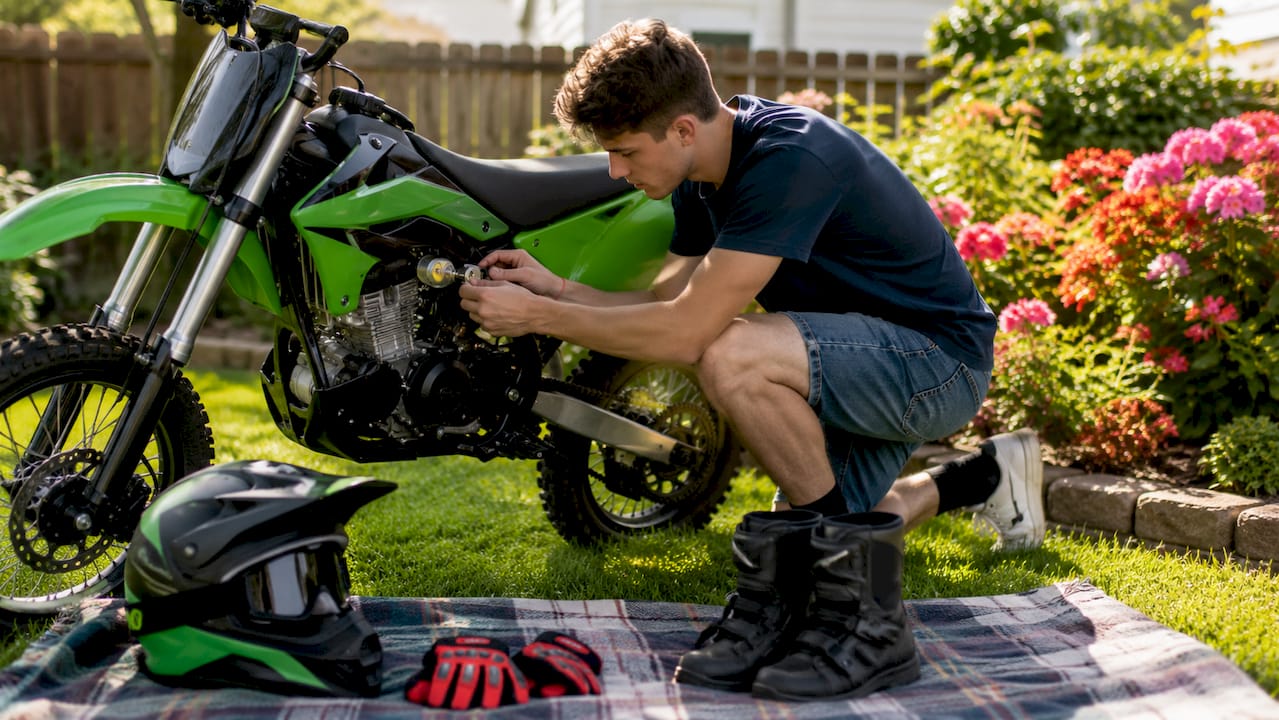
The term “entry-level” does not mean cheap or low quality. It means the vehicle prioritizes ease of control over raw power. A new rider on the right machine builds confidence faster, rides safer, and enjoys the sport more from day one. That is the entire point.
What types of vehicles are considered entry-level in powersports?
Powersports vehicle types each suit different terrains and riding styles. ATVs work best on trails and open land. UTVs carry passengers and handle utility tasks alongside recreation. Dirt bikes are built for motocross tracks and off-road terrain. Personal watercraft, like jet skis, are the entry point for water-based riding. Each category has beginner-specific models with features that reduce the learning curve.
Entry-level ATVs typically feature engines under 250cc, automatic transmissions, and throttle limiters that cap top speed until the rider is ready for more. These features prioritize ease of handling and safety over raw performance. A 110cc kids ATV, for example, gives a young rider full control without the intimidation of a full-size machine.
| Vehicle Type | Typical Engine Size | Key Beginner Feature | Best Terrain |
|---|---|---|---|
| ATV | 50cc–250cc | Throttle limiter, auto transmission | Trails, open land |
| UTV | 400cc–800cc | Side-by-side seating, roll cage | Utility, group riding |
| Dirt Bike | 50cc–125cc | Lightweight frame, low seat height | Motocross, off-road |
| Personal Watercraft | 60–110 hp | Stable hull, speed limiter | Lakes, rivers, coastal |
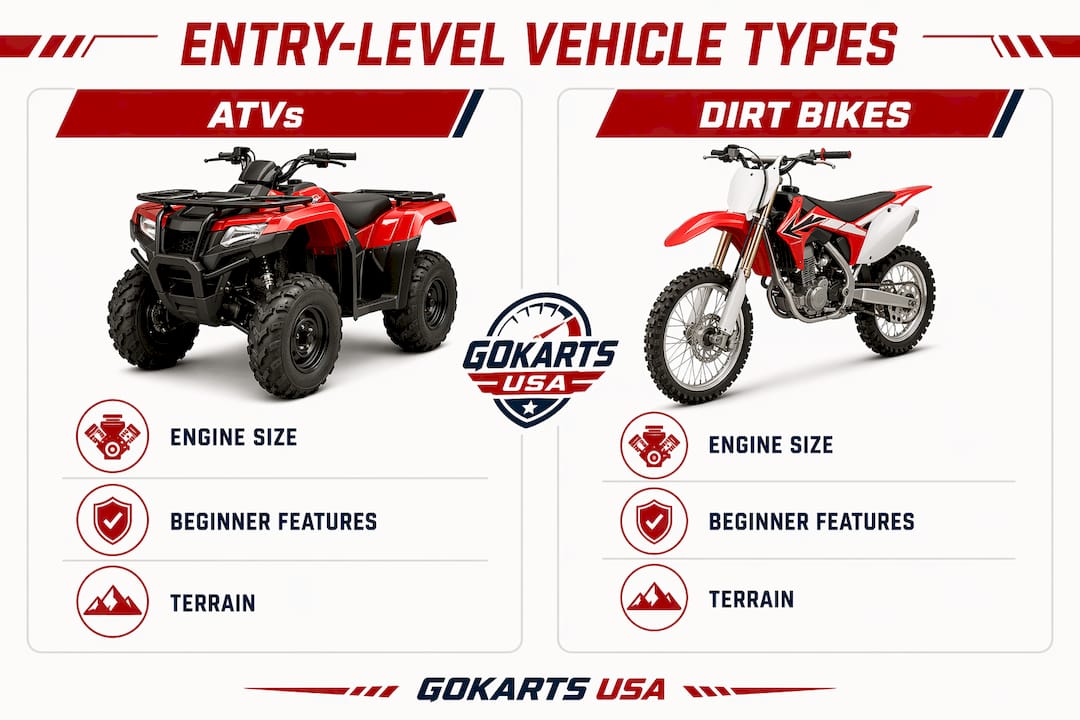
The right vehicle type depends on where you plan to ride and who will be riding. A parent introducing a child to the sport will choose differently than an adult looking to hit weekend trails. Both choices are valid. Both start with matching the machine to the rider, not the other way around.
Pro Tip: Before you buy, sit on the vehicle. Your feet should reach the ground comfortably. A mismatch between rider size and vehicle ergonomics is one of the most common pitfalls beginners face, and it hinders learning while increasing risk.
What safety gear and training are essential for entry-level riders?
Safety gear is non-negotiable for every beginner. The minimum kit includes a DOT-approved helmet, gloves, over-the-ankle boots, and long-sleeved protective clothing. Each piece serves a specific purpose: the helmet protects against head trauma, gloves improve grip and protect hands in a fall, and boots guard ankles and feet from impact.
Beyond gear, certified training courses are the fastest way to build real skill. Many states require safety training or licensing for powersports vehicles, and completing a certified course satisfies those requirements while teaching you control techniques you simply cannot learn on your own. Many beginner classes also provide loaner vehicles, so you can practice before committing to a purchase.
The full gear checklist for new riders:
- DOT or ECE-rated full-face helmet
- Impact-resistant gloves
- Over-the-ankle riding boots
- Long-sleeved jersey or jacket with padding
- Riding pants with knee and hip protection
- Goggles or a visor for trail and off-road riding
Check your family safety essentials before your first ride. Local regulations vary by state, so confirm what your area requires for licensing, age restrictions, and trail access before you head out.
Pro Tip: Gear up every single time, even for short practice sessions in a field. Most beginner injuries happen close to home at low speeds, not on technical trails.
How to choose the right entry-level powersports vehicle for your needs
The single biggest mistake new riders make is going too big, too fast. An overpowered machine reduces control, destroys confidence, and increases the chance of injury. Starting with a smaller, manageable vehicle consistently leads to better skill development and a more enjoyable experience overall.
Match the vehicle to three factors: your physical size, your riding environment, and your experience level. A compact 110cc ATV suits a child or a small adult learning on flat terrain. A 250cc model suits a larger adult ready for moderate trails. Engine size is a guide, not a status symbol.
The new-versus-used question matters more than most beginners realize. Buying used vehicles from trusted dealers is a cost-effective way to learn the basics without high financial risk. A used entry-level machine lets you build skills and decide what you actually want before investing in a premium model. The key word is “trusted.” Buy from a dealer who can show you the service history and explain any wear.
Choosing the right dealer is as important as choosing the right vehicle. A good dealer educates you on local regulations, maintenance schedules, and trail etiquette. They are patient with questions and transparent about pricing. A dealer who rushes you toward the most expensive option is not your partner in this sport.
Key questions to ask before you buy:
- Does the engine size match my physical size and skill level?
- Does the vehicle have safety features like a throttle limiter or remote kill switch?
- Can the dealer show me a service history on used models?
- Does the dealer offer post-purchase support and parts availability?
What basic maintenance and riding skills should beginners master?
Pre-ride maintenance is the habit that separates riders who stay safe from those who break down on the trail. Check these five items before every single ride:
- Tire pressure. Correct pressure affects handling and traction directly. Under-inflated tires make steering sluggish and increase the risk of a blowout.
- Fluid levels. Engine oil, coolant, and brake fluid all need to be at the correct level. Low brake fluid is a safety emergency, not a minor inconvenience.
- Brakes. Squeeze the brake lever and press the pedal before you move. Both should feel firm and responsive.
- Chain tension. A loose chain on a dirt bike or ATV can snap mid-ride. Check tension and lubrication every time.
- Lights and controls. Confirm throttle, kill switch, and any electronic controls respond correctly before you leave the yard.
Low-speed control is the most underrated skill in powersports. New riders focus on going fast. Skilled riders focus on going slow with precision. Mastering throttle control, smooth braking, and balanced turning at low speeds builds the muscle memory that keeps you safe when terrain gets technical. Practice figure eights and slow-speed stops in a flat, open area before you tackle any trail.
Skill development should be progressive. Ride the same trail multiple times before moving to harder terrain. Push your limits gradually, not all at once. Overconfidence after a few good rides is the most common reason beginners get hurt.
Key takeaways
Entry-level powersports vehicles succeed because they match manageable engine size, safety features, and forgiving handling to riders who are still building their skills and confidence.
| Point | Details |
|---|---|
| Start with the right size | Match engine size and vehicle ergonomics to your body and skill level before anything else. |
| Gear up every ride | A helmet, gloves, boots, and protective clothing are required for every session, not just trail rides. |
| Take a certified course | Certified training builds control skills faster and satisfies many state licensing requirements. |
| Buy from a trusted dealer | A good dealer provides maintenance history, local regulation guidance, and post-purchase support. |
| Master low-speed control first | Precision at slow speeds builds the technique that keeps you safe on any terrain. |
Why starting small changed everything for me
I have watched hundreds of new riders walk into the powersports world with big ambitions and even bigger machines. The pattern is almost always the same. They buy more power than they can handle, feel intimidated on the first ride, and either stall out on the learning curve or, worse, get hurt.
The riders who thrive are the ones who start modest. A 110cc ATV or a 125cc dirt bike feels almost too easy at first. That is exactly the point. When the machine is not fighting you, you actually learn. You feel the throttle response. You understand how braking affects your line. You build the instincts that no amount of raw horsepower can substitute for.
Certified training made a bigger difference than any gear upgrade I ever made. One weekend course taught me more about low-speed control and emergency braking than six months of solo riding. If your state offers an ATV Safety Institute course or a Motorcycle Safety Foundation program, take it before your first trail ride, not after your first close call.
My honest recommendation: find a dealer who treats you like a long-term customer, not a one-time transaction. The best dealers in this sport are your pit crew, your trail guides, and your fellow riders all at once. They answer the phone after the sale. That relationship matters more than saving a hundred dollars on the sticker price.
— Mario
Find your first ride at Gokartsusa
Ready to get out there? Gokartsusa carries beginner-friendly vehicles built for exactly this moment in your riding life.
The Mini Sport Kids ATV with 110cc gas engine is one of the strongest entry points we offer. It features a parental remote start and kill switch, a throttle limiter, and an engine size that gives young riders real control from the very first session. Gokartsusa also stocks safety gear and accessories to get you fully equipped before your first ride. Browse the full catalog at Gokartsusa and find the machine that fits your adventure.
FAQ
What is entry-level powersports?
Entry-level powersports refers to beginner-friendly motorized recreational vehicles designed for new riders. These machines prioritize manageable engine sizes, safety features, and forgiving handling over raw performance.
What engine size is best for a beginner ATV?
Beginner ATVs typically use engines under 250cc, with 50cc to 110cc models being ideal for children and first-time adult riders. Smaller engines give new riders better control and a safer learning experience.
Do beginners need a license to ride powersports vehicles?
Licensing requirements vary by state and vehicle type. Many states require a safety course or permit for ATVs and dirt bikes, so check your local regulations before your first ride.
Is it better to buy new or used as a beginner?
Buying a used entry-level vehicle from a trusted dealer is a cost-effective way to learn without high financial risk. A reputable dealer will provide service history and help you find a model that fits your skill level.
How long does it take to learn basic powersports riding skills?
Most beginners develop solid foundational skills within a few weeks of consistent practice. Taking a certified training course accelerates that timeline significantly and builds safer habits from the start.