




Picking the right first ATV for your child or teen feels like a big decision, and honestly, it should. With dozens of models on the market, each promising the perfect ride, it’s easy to feel overwhelmed before you even get to the trail. The good news is that the powersports world has never offered more thoughtful, safety-focused options for young riders. Speed limiters and parental tethers are now standard on most entry-level youth ATVs, giving parents real control over how fast the adventure moves. In this guide, we’ll walk you through what to look for, which models stand out, and how to match the right machine to your child’s age, size, and skill level.
Table of Contents
- What makes an ATV truly entry-level?
- Top entry-level ATV models for kids and teens
- Head-to-head: Entry-level ATV comparison table
- How to choose the best ATV for your child or teen
- Buying tips: New, used, or alternative first ATVs
- Find your kid’s perfect starter ATV today
- Frequently asked questions
Key Takeaways
| Point | Details |
|---|---|
| Safety first always | Choose ATVs with speed limiters, kill switches, and parental controls for safe youth riding. |
| Match size to age | Engine size and seat height must fit your child’s age and experience for comfort and safety. |
| Brand quality matters | Established brands offer better reliability, safety compliance, and resale opportunities. |
| Consider your budget | Weigh new versus used options and how quickly kids will outgrow their ATV. |
What makes an ATV truly entry-level?
Not every small ATV qualifies as a genuine entry-level machine. A true entry-level ATV is purpose-built for riders between the ages of 6 and 14, featuring smaller engines in the 50cc to 110cc range, lower seat heights, and lighter overall weight. These design choices aren’t just about size. They’re about giving young riders a machine they can actually control.
Youth ATV safety features like speed limiters, throttle restrictors, and automatic transmissions are what separate a beginner-friendly machine from one that’s simply small. Our youth ATV guide breaks down these distinctions in detail, and it’s worth a read before you shop.
Here’s what to look for in a genuine entry-level ATV:
- Throttle and speed limiters: Allow parents to cap top speed as the rider builds confidence.
- Parental tether or kill switch: Cuts the engine remotely if the rider loses control.
- Automatic or semi-automatic transmission: Removes the clutch learning curve for beginners.
- Enclosed engine and exhaust: Reduces burn risk from accidental contact.
- Low seat height: Keeps feet closer to the ground for better stability and confidence.
Matching the ATV to your child’s actual size and experience matters more than matching it to their birthday. A nine-year-old who has never ridden before needs a different machine than a nine-year-old who has been riding for two seasons. Our ATV for kids resource and safety tips for ATVs are great starting points for understanding those differences.
Pro Tip: Always have your child sit on the ATV before buying. Both feet should rest flat or nearly flat on the ground. If they’re tiptoeing, the machine is too big for right now.
Top entry-level ATV models for kids and teens
Now that we’ve covered the criteria, let’s look at concrete examples you can consider. These models consistently earn strong marks from families and riders who value reliability, safety, and that genuine sense of freedom on the trail.
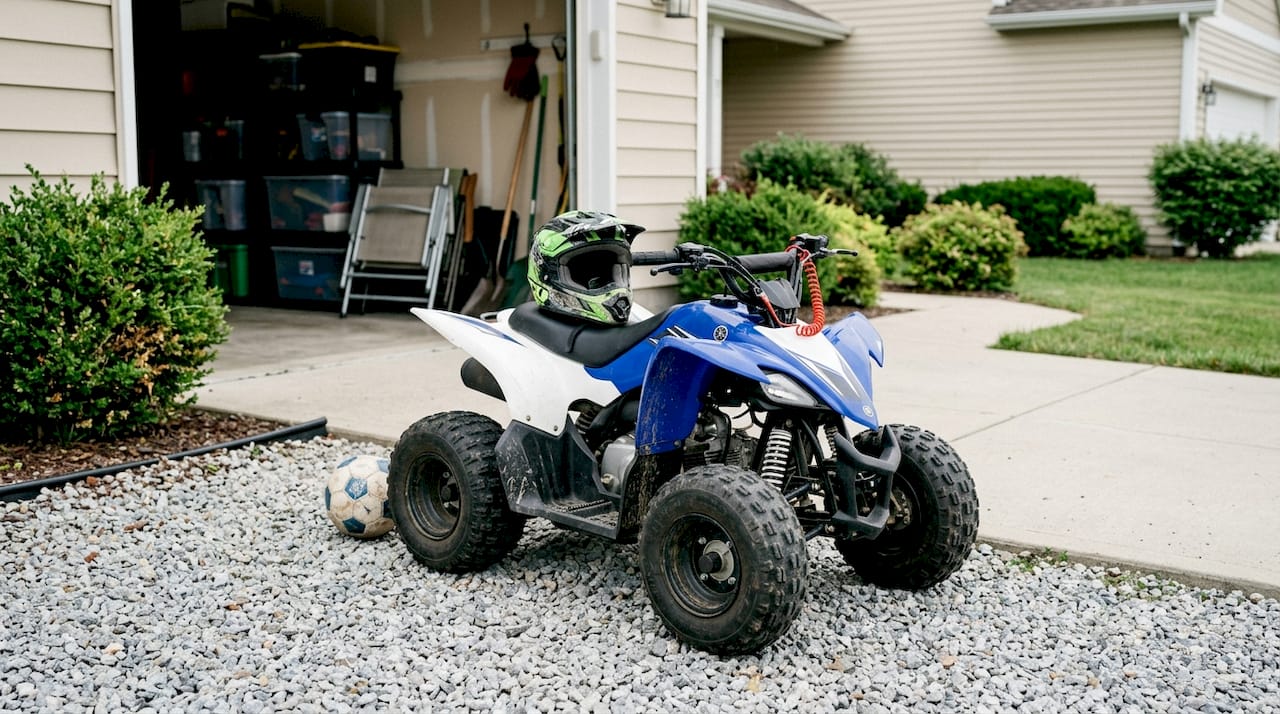
Yamaha YFZ50 is one of the most recognized names in youth ATVs. The YFZ50 features a 49cc engine, automatic CVT transmission, and a 23-inch seat height, making it ideal for riders ages 6 and up. Parental controls include a throttle limiter and a tether kill switch. It’s a polished, reliable machine from a brand with decades of trust behind it.
Honda TRX90X steps things up with an 86cc engine and a semi-automatic transmission, making it a natural progression for riders ages 10 to 12 who are ready for a little more power. Honda’s build quality is legendary, and the TRX90X holds its resale value exceptionally well.
Polaris Outlaw 70 EFI brings modern fuel injection to the youth segment, which means easier cold starts and more consistent throttle response. It’s designed for ages 6 and up and includes multiple safety features that parents appreciate.
TrailMaster Mini Sport N110 is a standout option for riders ages 10 to 13. The 110cc engine delivers real trail capability, and features like a remote kill switch and reverse gear add both safety and practicality. Matching engine size to age is one of the most important decisions you’ll make, and the N110 hits that sweet spot for older beginners. You can explore the TrailMaster Mini Sport N110 and the Mini Sport Kids ATV directly on our site.
“The best starter ATV isn’t the fastest or the flashiest. It’s the one your child can grow into safely, with controls that keep pace with their confidence.”
Pro Tip: Established brands like Yamaha, Honda, Polaris, and TrailMaster hold resale value far better than off-brand alternatives. If you plan to upgrade in a few years, starting with a recognized name protects your investment. For riders ready to move up, the TrailMaster C125 is a natural next step.
Head-to-head: Entry-level ATV comparison table
Having explored individual models, here’s how they compare side by side in the areas that matter most.
| Model | Engine | Suitable Age | Seat Height | Key Safety Features | Est. MSRP |
|---|---|---|---|---|---|
| Yamaha YFZ50 | 49cc | 6+ | 23 in | Throttle limiter, tether | ~$1,799 |
| Honda TRX90X | 86cc | 10-12 | 26 in | Speed limiter, tether | ~$2,699 |
| Polaris Outlaw 70 EFI | 70cc | 6+ | 24 in | Speed limiter, safety tether | ~$2,299 |
| TrailMaster Mini Sport N110 | 110cc | 10-13 | 27 in | Remote kill switch, reverse | ~$1,299 |
One stat worth keeping in mind: youth ATV top speeds are typically limited to between 10 and 25 mph depending on the model and how the parental limiter is set. That range gives parents meaningful control over how much speed a child experiences as they build skill and confidence. Starting at the lower end of that range and gradually opening it up is the smartest approach for any new rider.
How to choose the best ATV for your child or teen
With model comparisons in hand, here’s how to confidently pick the right ATV for your situation. The process doesn’t have to be complicated, but skipping steps can lead to a machine that’s either too much or too little for your rider.
- Start with age and size. Use the manufacturer’s recommended age range as a baseline, then confirm with seat height and weight capacity.
- Assess skill level honestly. A child who has never ridden needs more parental controls than one with two seasons of experience.
- Define the intended use. Backyard riding on flat ground is very different from trail riding with elevation changes.
- Think about room to grow. A 90cc or 110cc machine may serve a 10-year-old for two to three seasons. A 50cc may be outgrown in one.
- Budget for gear. Helmet, gloves, boots, and protective gear are non-negotiable costs that belong in your total budget.
Parental controls matched to skill level are the single most important safety feature you can prioritize. Our ATV buying checklist walks through every factor in detail, and if you’re weighing ATVs against other options, our ATV vs mini bike comparison is genuinely helpful.
“Safety doesn’t end with the machine. Training, proper gear, and active supervision are what turn a good ATV into a great first experience.”
Buying tips: New, used, or alternative first ATVs
Even after choosing a model, it’s important to decide on new versus used, and to consider alternatives for certain situations. Both paths have real merit depending on your budget and your child’s timeline.
Buying new gives you full warranty coverage, the latest safety features, and the peace of mind that comes with knowing the machine’s history. It’s the right call if budget allows and you want zero unknowns.
Buying used can save you several hundred dollars, which matters when you factor in that kids outgrow starter ATVs in as little as one to two years. If you go the used route, here’s what to inspect:
- Check for frame cracks or welds that look repaired.
- Test all safety features, including the tether and speed limiter.
- Look for oil leaks around the engine and exhaust.
- Verify the throttle and brakes respond smoothly and without sticking.
- Ask for maintenance records if available.
Alternatives are worth considering too. Mini bikes and youth go-karts serve different riding styles and can be a better fit for some families. If your child loves speed but isn’t ready for the balance demands of an ATV, the benefits of youth go-karts are worth exploring before you commit.
Pro Tip: If you’re buying used, bring a knowledgeable friend or mechanic. A $50 inspection can save you from a $500 repair surprise down the road.
Find your kid’s perfect starter ATV today
You’ve done the research. You know what features matter, which models earn trust, and how to match the right machine to your rider. Now it’s time to take that next step with confidence.

At GokartsUSA.biz, we carry youth ATVs built with the safety features and reliability that parents count on. The Mini Sport 110cc Kids ATV is one of our most popular choices for families, offering a remote kill switch, reverse gear, and a 110cc engine that grows with your rider. The TrailMaster Mini Sport N110 is another standout, purpose-built for older beginners who are ready for real trail adventure. Our team is here to help you compare options, answer questions, and make sure your family’s first ATV experience is everything it should be. Browse our full youth ATV lineup and ride into the adventure with total confidence.
Frequently asked questions
What age is appropriate for a 50cc ATV?
A 50cc ATV is typically best for kids ages 6 to 9, offering a manageable power level and lighter weight that suits younger beginners. Engine size matched to age is one of the most reliable guidelines for safe progression.
Do entry-level ATVs have parental controls?
Yes, most entry-level ATVs include parental controls like speed and throttle limiters along with safety tethers or remote kill switches that let parents manage the riding experience.
How fast can youth ATVs go?
Youth ATVs are typically limited to 10-25 mph depending on the model and how the parental speed limiter is configured, giving families real control over the pace of learning.
Should I buy a new or used entry-level ATV?
Used models can offer solid savings, but keep in mind that kids outgrow entry ATVs quickly, so inspect carefully for safety feature integrity and maintenance history before buying.