




TL;DR:
- Recreational powersports involves motorized outdoor vehicles used for leisure, sport, or utility activities, such as ATVs, dirt bikes, and watercraft. The industry is rapidly growing, supported by electric models that increase accessibility and safety for new riders and families. Emphasizing proper safety and beginner-friendly features ensures sustained enjoyment and community connection within outdoor recreation.
Recreational powersports might bring to mind images of extreme athletes launching off dirt jumps or racing through mud. The reality is broader and a lot more inviting. What is recreational powersports, really? It’s a category of motorized outdoor activities that includes everything from a family afternoon on ATVs to a solo snowmobile run through fresh powder. The motorcycling and ATVing category alone ranks as the 4th largest outdoor activity in the U.S. economy, and it’s growing fast. This guide covers vehicle types, safety basics, lifestyle benefits, and everything else a newcomer needs to know before jumping in.
Table of Contents
- Key takeaways
- What is recreational powersports
- Popular powersports vehicle types
- Safety in recreational powersports
- The lifestyle and real benefits of powersports
- My take on where recreational powersports is headed
- Ready to start your powersports adventure?
- FAQ
Key takeaways
| Point | Details |
|---|---|
| Broad definition | Recreational powersports covers motorized outdoor vehicles used for leisure, sport, and light utility. |
| Major vehicle types | ATVs, dirt bikes, side-by-sides, personal watercraft, and snowmobiles are the core categories. |
| Safety is non-negotiable | Proper protective gear and beginner-friendly vehicles significantly reduce risk for new riders. |
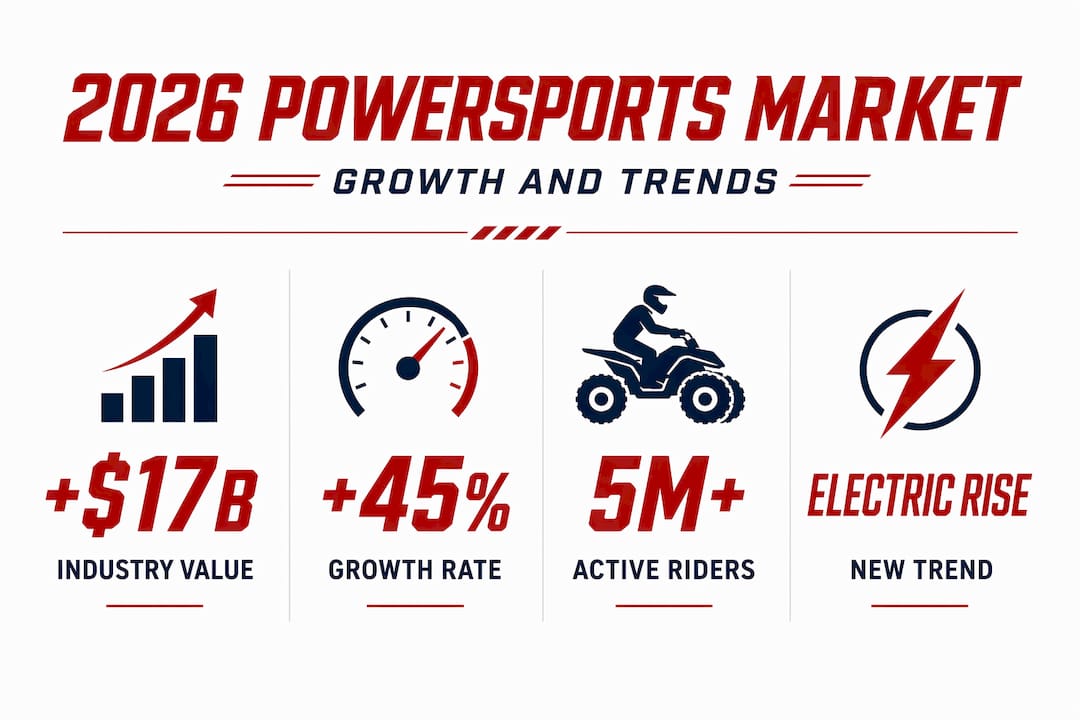
| Market is booming | The U.S. powersports market is projected to grow from $11.94 billion in 2024 to $17.33 billion by 2033. |
| Electric vehicles are rising | Electric dirt bikes and ATVs are lowering the entry barrier for beginners and families. |
What is recreational powersports
At its core, recreational powersports refers to any motorized vehicle activity pursued for enjoyment, adventure, or sport in outdoor settings. The term “recreational” is the key word. It separates casual and leisure use from strictly professional or agricultural applications, though many vehicles serve both roles with ease.
The category is wide. It includes all-terrain vehicles (ATVs), side-by-side UTVs, dirt bikes, motorcycles, snowmobiles, and personal watercraft like jet skis. You can also find go-karts, mini bikes, and dune buggies under the same umbrella. Each type occupies its own niche in terms of terrain, skill level, and activity style, but they all share the same core appeal: freedom on your own terms, powered by a motor.
What most people miss is how versatile these vehicles really are. Multi-purpose roles now account for over 58% of the market share in 2026. That means the same ATV you ride on trails Saturday morning might be towing gear on your property Sunday afternoon. The line between recreation and utility is intentionally blurry.
The market has also diversified dramatically in recent years. Electric models are entering nearly every subcategory, from kids’ ATVs to full-size off-road bikes. Younger riders and families have responded enthusiastically. This shift reflects a broader consumer desire for vehicles that are quieter, more accessible, and less intimidating without sacrificing the thrill.
- ATVs and UTVs: Four-wheeled off-road vehicles perfect for trails, farms, and family rides
- Dirt bikes and motorcycles: Two-wheeled vehicles spanning everything from beginner trails to motocross competition
- Personal watercraft: Jet skis and similar waterborne vehicles for lake and coastal recreation
- Snowmobiles: Winter-specific vehicles that open up snow-covered terrain for exploration
- Go-karts and mini bikes: Entry-level options ideal for younger riders and casual speed enthusiasts
The U.S. powersports market is projected to grow from $11.94 billion in 2024 to $17.33 billion by 2033, driven by rising incomes and the cultural momentum behind outdoor leisure. That growth signals one thing clearly: this isn’t a niche hobby anymore. It’s a mainstream part of American outdoor life.
Popular powersports vehicle types
Understanding the different vehicle categories helps you figure out which corner of this world fits you best. Each type has a distinct personality, a preferred terrain, and a different kind of rider it tends to attract.
| Vehicle Type | Terrain | Best For | Skill Level |
|---|---|---|---|
| ATV (4-wheeler) | Trails, fields, mud | Family riding, utility, exploration | Beginner to advanced |
| Side-by-Side (UTV) | Rough terrain, dunes, farms | Group riding, utility tasks | Beginner to intermediate |
| Dirt Bike | Trails, tracks, hillsides | Sport riding, motocross | Intermediate to advanced |
| Personal Watercraft | Lakes, rivers, coastlines | Speed, tricks, casual cruising | Beginner to advanced |
| Snowmobile | Snow-covered trails, backcountry | Winter exploration, touring | Intermediate to advanced |
| Go-Kart / Mini Bike | Tracks, yards, flat terrain | Kids, beginners, casual fun | Beginner |
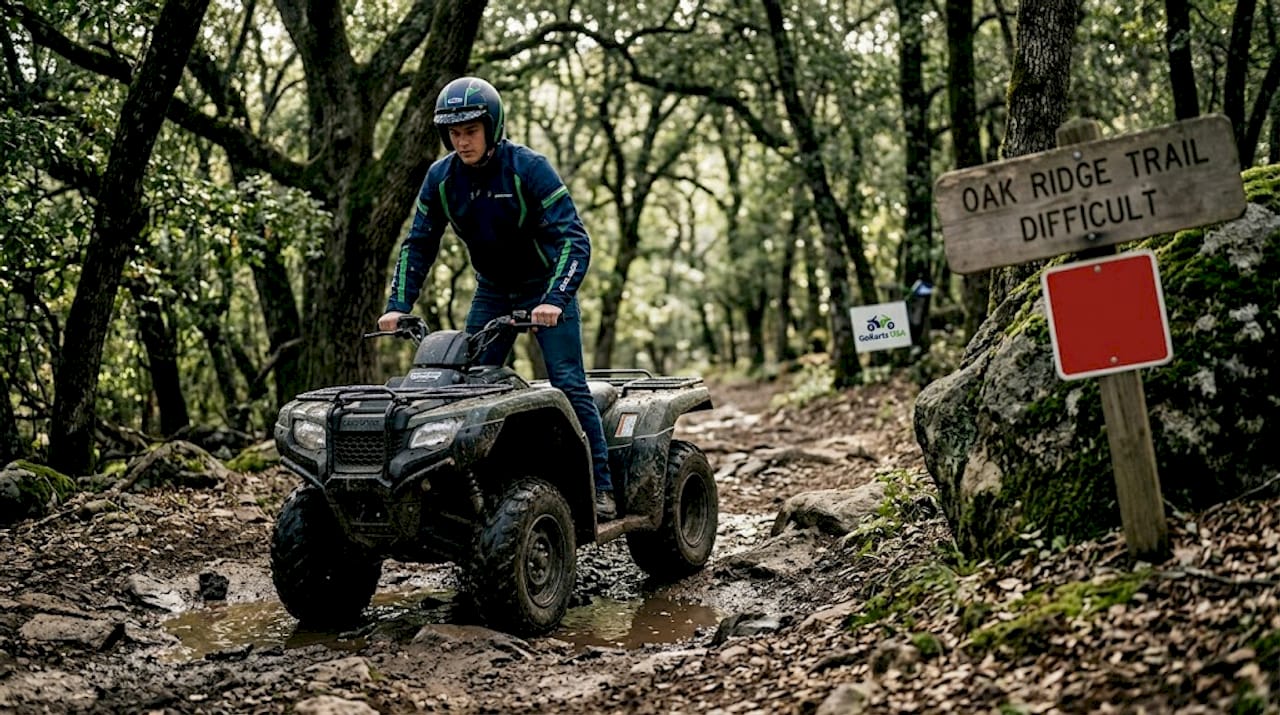
ATVs are the most popular entry point for families and first-time riders. They’re stable, forgiving, and fun across a huge range of terrains. Side-by-sides, also called UTVs, seat two or more riders side by side and are becoming favorites among people who want the off-road experience with more comfort and cargo space.
Dirt bikes reward riders who crave a more physical, technical experience. They demand more skill and body movement than ATVs, but they also offer unmatched agility on tight trails. For water lovers, personal watercraft like jet skis bring that same adrenaline to lakes and coastlines, with a learning curve that most beginners clear in a single afternoon.
One of the most exciting developments right now is the rise of electric dirt bikes for weekend riding. These machines deliver instant torque, run quieter than gas models, and are genuinely easier to manage for new riders. They’re opening up light trail settings and suburban riding environments that gas-powered bikes historically couldn’t access.
The benefits of ATVs for family recreation extend beyond pure thrills. Trail riding builds spatial awareness, coordination, and confidence in younger riders. For adults, it’s equal parts workout and stress relief. The social dimension, riding alongside friends or family, is something most outdoor activities simply can’t replicate.
Pro Tip: If you’re buying your first powersports vehicle, prioritize beginner-friendly features like automatic transmissions, speed limiters, and engine sizes under 125cc. These details matter more than top speed when you’re still learning.
Safety in recreational powersports
Powersports come with real risks. Acknowledging that is not a reason to stay on the sidelines. It’s the foundation of a long, enjoyable riding career. The riders who last in this hobby are the ones who take safety seriously from day one.
- Wear a helmet every single time. Full-face helmets offer the best protection on dirt and off-road terrain. Never negotiate on this one.
- Add the right protective gear. Gloves, goggles, riding boots, and chest protectors are not overkill. They protect the most injury-prone areas during falls.
- Match the vehicle to the rider. Kids should never ride adult-sized ATVs or bikes. Engine displacement and physical size must match the rider’s age and experience level.
- Complete a safety course before hitting the trails. Organizations like the ATV Safety Institute offer affordable hands-on training that dramatically shortens the learning curve.
- Know your terrain before you ride it. Scouting a new trail on foot or researching it online prevents nasty surprises mid-ride.
- Ride with a buddy whenever possible. Solo riding in remote areas multiplies the risk if something goes wrong mechanically or physically.
Protective gear and safety regulations significantly reduce accident risks across all ages. Manufacturers are doing their part too. New models now incorporate features like parental remote kill switches, electronic speed governors, and improved stability systems specifically designed for younger or less experienced riders.
The industry actively supports trail access and safety awareness programs through advocacy and funding. Riders can contribute by following posted trail rules, staying on designated paths, and supporting local trail maintenance efforts. The trails you enjoy today exist because riders before you fought to protect them.
Pro Tip: Before purchasing any vehicle for a child, check the manufacturer’s age and weight recommendations. These aren’t suggestions. They’re engineered safety thresholds designed to keep young riders in control.
Entry-level ATV riding tips are a great practical resource if you want a step-by-step starting point for safe riding habits. The fundamentals covered there apply across most powersports categories, not just ATVs.
The lifestyle and real benefits of powersports
Here’s what no spec sheet will tell you: the experience of recreational powersports goes far beyond the machine underneath you. It’s the crunch of gravel at sunrise on a trail no car could ever reach. It’s the shared moment when your kid clears their first obstacle and you see their face light up. That’s what keeps riders coming back year after year.
The lifestyle appeal has expanded well beyond the original core of performance-focused enthusiasts. Off-road riding culture is shifting toward comfort, flexibility, and social connection. You don’t have to race to belong here. Weekend trail rides, family outings, and casual lake days are just as legitimate as any motocross event.
There are also tangible physical and mental benefits worth naming:
- Physical conditioning: Riding engages your core, arms, and legs constantly. Even a relaxed ATV ride burns more calories than most people expect.
- Mental clarity: Time outdoors on a trail or water disconnects you from screens and stress in a way that’s genuinely restorative.
- Community: Riding clubs, organized trail events, and online forums connect you with people who share your enthusiasm. The powersports community is one of the most welcoming in all of outdoor recreation.
- Family bonding: Powersports offers family outdoor fun across age groups in ways that most activities can’t match. Toddlers can ride with parents. Teens can ride their own beginner machines. Adults can challenge themselves on technical terrain.
The economic ripple effect is real too. Powersports support millions of jobs across the U.S., from manufacturing and retail to trail maintenance and local tourism. When you spend a riding weekend in a rural area, you’re fueling local businesses, motels, fuel stations, and gear shops that depend on riders like you.
Environmental responsibility is becoming a bigger part of the conversation too. Electric models reduce noise pollution and emissions in sensitive areas, expanding the number of places where responsible riding is welcome.
My take on where recreational powersports is headed
I’ve watched this industry shift in ways that most outsiders completely miss. When I first got serious about powersports, the culture was heavily tilted toward performance. Big engines, aggressive riding, and pushing limits were the point. The entry barrier was high, and the attitude in many circles was even higher.
That’s changed. What I see now is an industry that has figured out accessibility without sacrificing authenticity. Electric platforms, beginner-friendly safety features, and the explosion of family-oriented vehicles have opened the door to millions of people who never saw themselves as “powersports riders.” They were right to reconsider.
What I find genuinely exciting is the intersection of technology and tradition happening right now. Gas-powered machines are not going away. The performance ceiling keeps rising. But alongside them, you have electric vehicles that make an eight-year-old’s first ATV ride quieter, safer, and more controlled than ever before. Both things are true, and both are good.
My honest advice for anyone asking what is recreational powersports and whether it’s for them: start smaller than you think you need to. The biggest mistake new riders make is buying too much machine too fast. A well-chosen beginner vehicle ridden confidently is infinitely more fun than an advanced machine that keeps you nervous. Get comfortable first. The performance will still be there when you’re ready for it.
— Mario
Ready to start your powersports adventure?
Whether you’re a parent looking to share an outdoor passion with your kids or a first-timer ready to find your own trail, Gokartsusa has vehicles built to match exactly where you’re starting from.

The Mini Sport Kids ATV with 110cc gas engine is one of the best starting points for young riders. It features a parental remote start and kill switch, a speed governor, and an automatic transmission, all the features that give parents confidence and kids the freedom to grow into the sport safely. Gokartsusa pairs every vehicle with real customer support, free shipping options, and seasonal promotions designed to make the first step into powersports as easy as possible. Your adventure doesn’t need to wait.
FAQ
What does recreational powersports mean?
Recreational powersports refers to motorized outdoor activities using vehicles like ATVs, dirt bikes, snowmobiles, and personal watercraft pursued for leisure, sport, or adventure. The category spans everything from casual family trail rides to competitive off-road events.
What are the most popular types of powersports vehicles?
ATVs, side-by-side UTVs, dirt bikes, personal watercraft, and snowmobiles are the most widely used recreational powersports vehicles. Go-karts and mini bikes are popular entry points for younger and beginner riders.
Is recreational powersports safe for beginners?
Yes, with the right vehicle, proper gear, and basic safety training. Beginners benefit most from vehicles with speed governors, automatic transmissions, and appropriate engine sizes. Completing a certified safety course before riding significantly reduces risk.
Are electric powersports vehicles worth considering?
Electric dirt bikes and ATVs offer quieter operation, instant torque, and easier handling than many gas models, making them excellent choices for beginners and families. They’re also better suited to areas with noise restrictions or environmental sensitivity.
How big is the recreational powersports industry?
The U.S. powersports market was valued at $11.94 billion in 2024 and is projected to reach $17.33 billion by 2033, supported by rising consumer interest in outdoor leisure and product innovation across vehicle categories.