




TL;DR:
- Proper gear, training, and supervision are essential for safe ATV riding and injury prevention.
- Children under 16 should avoid ATV operation due to higher injury risks, with strict supervision if they ride.
- Regular ATV maintenance and honest safety habits outweigh high-end features for responsible riding.
ATV riding delivers a genuine rush of freedom and adventure, but it carries real risks that every new rider and parent needs to understand before hitting the trail. Most ATV injuries and fatalities involve lack of proper gear or unsafe riding behaviors, meaning the biggest dangers are almost entirely preventable. The good news? You don’t need years of experience to ride responsibly. You need the right habits, the right gear, and a clear understanding of what actually keeps riders safe. This guide breaks down the most practical, proven tips for beginners and parents who want the thrill of the trail without the trip to the emergency room.
Table of Contents
- Gear up: Safety equipment essentials
- Master the basics: Training and safe riding habits
- Smart supervision: Guidelines for parents and kids
- Maintenance made simple: Upkeep tips for longevity and safety
- Why safety habits beat features: An honest take
- Ready for your first ride? Start safe with GoKarts USA®
- Frequently asked questions
Key Takeaways
| Point | Details |
|---|---|
| Gear is non-negotiable | Always wear a helmet, gloves, eye protection, and boots—no exceptions, no shortcuts. |
| Training matters most | Formal instruction and practicing safe habits dramatically reduce the risk of serious accidents. |
| Supervision saves lives | Younger riders need adult supervision and should stick to strict safety guidelines at all times. |
| Routine maintenance prevents mishaps | Perform basic checks and follow upkeep schedules, especially after severe use. |
| Good habits beat fancy gear | Consistent, cautious riding habits keep you safer than just having the best equipment. |
Gear up: Safety equipment essentials
Once you’ve committed to riding, the very first step is making sure you’re properly protected, even before you touch the throttle. Gear isn’t optional. It’s the difference between a minor spill and a life-changing injury.
Every rider, regardless of age or experience, needs these basics before every single ride:
- Helmet: DOT-approved and properly fitted. No exceptions.
- Goggles or face shield: Protects eyes from dust, debris, and branches.
- Gloves: Grip, control, and protection from cuts and burns.
- Long pants and long sleeves: Abrasion protection when skin meets ground.
- Over-the-ankle boots: Ankle support and foot protection from rocks and rollovers.
- Chest protector (recommended): Especially valuable for young riders on rougher terrain.
The helmet issue deserves special attention. Fewer than 40% of youth riders wear helmets, even though helmets dramatically reduce the risk of fatal head injuries. That statistic should alarm every parent. A helmet that doesn’t fit correctly is nearly as dangerous as no helmet at all, so always size properly and replace any helmet that has taken a hard impact.
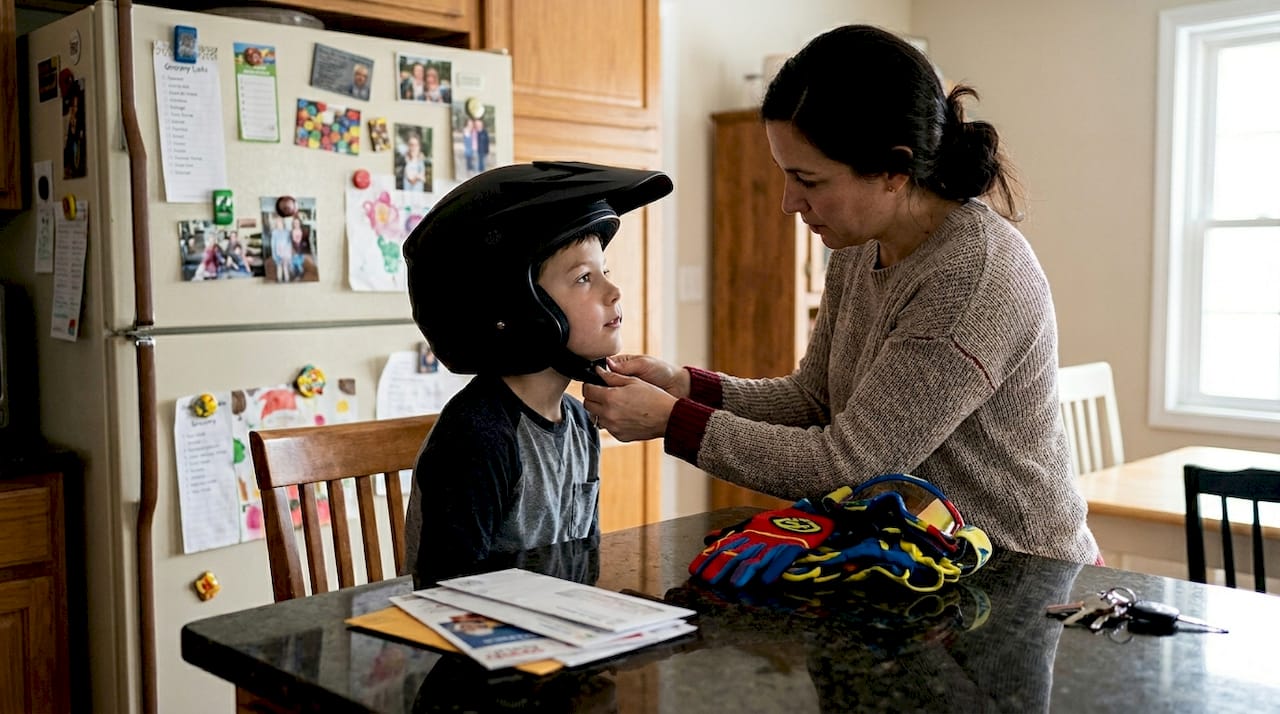
For DOT-approved helmets and eye protection, always look for the certification label inside the helmet. Budget helmets without this label may look the part but offer little real protection.
One mistake we see constantly is parents handing down adult-sized gear to kids. Oversized helmets shift on impact and reduce protection significantly. Kids need gear sized for their bodies, period.
Pro Tip: Try all gear on together before buying. A helmet that feels fine alone may feel uncomfortable with goggles and a collar. Discomfort leads to shortcuts, and shortcuts lead to injuries. Check out our ATV safety gear basics guide for a deeper look at what fits beginners best.
Master the basics: Training and safe riding habits
Once protected by the right gear, riders and parents next need to focus on building the foundation for safe riding. Gear protects your body. Training protects your judgment.
Formal ATV training is one of the most overlooked steps in the beginner journey. Free online ATV safety courses from the ATV Safety Institute give new riders a structured introduction to machine operation, trail awareness, and emergency response. In-person courses go even further with hands-on practice.
Here are the core skills every beginner must build before riding independently:
- Proper body positioning: Feet flat on footrests, knees slightly bent, grip firm but not tense.
- Throttle control: Smooth acceleration, never jerky or abrupt.
- Braking technique: Front and rear brakes used together, not just one.
- Turning on slopes: Lean into turns, never lean uphill on a sidehill.
- Climbing and descending hills: Shift weight forward going up, back going down.
One mental model that transforms beginner riding is the IPDE approach: Identify, Predict, Decide, Execute. Before every obstacle or turn, a rider identifies the hazard, predicts what could go wrong, decides on the best response, and executes it calmly. Practicing this in slow-speed drills builds the instinct to think before reacting.
| Riding scenario | Common beginner mistake | Correct habit |
|---|---|---|
| Approaching a hill | Accelerating too fast | Slow down, assess grade first |
| Sharp turn on trail | Leaning outward | Lean into the turn, reduce speed |
| Loose gravel or mud | Braking hard | Ease off throttle, brake gently |
| Riding at dusk | Assuming visibility is fine | Stop before dark, always |
Never ride under the influence of alcohol or medication. Never carry a passenger on a single-rider ATV. Both rules sound obvious, but they are broken constantly, and the results are devastating. Learn more about ATV safety basics to build your riding foundation the right way.
Pro Tip: Run IPDE drills in a flat, open area before hitting any trail. Set up cones or markers and practice identifying and responding to mock hazards at low speed.
Smart supervision: Guidelines for parents and kids
With core skills underway, it’s crucial for parents to know where the real risks and debates lie for youth riders. The conversation around kids and ATVs is more nuanced than most people realize.
Both the American Academy of Pediatrics and the Canadian Pediatric Society are clear: children under 16 should not operate ATVs due to the elevated risk of serious injury and death. Their developing reaction times, body size, and judgment make them more vulnerable to rollovers and collisions.
The numbers back this up. Kids make up 22% of ATV deaths despite being a small fraction of total riders. That’s a disproportionate risk that every parent must take seriously.
“The gap between what the industry permits and what medical experts recommend is wide. Youth-model ATVs exist, but pediatricians consistently advise against unsupervised or premature use. Parents sit in the middle of that tension and must make informed choices.”
Here’s a practical comparison of recommendations:
| Age group | Industry guidance | Medical recommendation |
|---|---|---|
| Under 6 | No ATV use | No ATV use |
| 6 to 11 | Youth models under 70cc | Avoid; high injury risk |
| 12 to 15 | Youth models under 90cc | Supervised only; high caution |
| 16 and up | Adult models with training | Training and full gear required |
If you do allow younger teens to ride, these rules are non-negotiable:
- Always supervise riders under 16 directly.
- No passengers on single-rider ATVs, ever.
- Daylight riding only, on marked trails.
- No public road riding, regardless of local rules.
- Gear must fit the child, not be borrowed from an adult.
For more on keeping young riders safe, explore our guides on youth ATV safety, choosing ATVs for kids, and understanding youth ATV insurance to protect your investment and your child.
Maintenance made simple: Upkeep tips for longevity and safety
Alongside safe habits and careful supervision, regular upkeep is what keeps the fun from turning into frustration, or worse. A poorly maintained ATV doesn’t just break down. It becomes a safety hazard.
Before every single ride, run through this quick inspection:
- Tires: Check pressure and look for cracks or embedded debris.
- Brakes: Squeeze both levers and test the foot brake. Any sponginess means stop and inspect.
- Fluids: Engine oil, coolant, and brake fluid levels should all be within range.
- Chain or drive belt: Look for wear, slack, or damage.
- Controls: Throttle, handlebars, and kill switch must all respond correctly.
After every ride, especially in mud or dust, clean the machine thoroughly. Rinse off debris, lubricate the chain, and inspect the air filter. Riding in severe conditions like thick mud or heavy dust cuts recommended maintenance intervals in half, meaning your ATV needs attention twice as often as the manual suggests.
The most common rookie breakdowns come from ignoring small things. A loose bolt, a worn brake pad, or a dirty air filter each seem minor until they fail mid-ride. Keeping your ATV in good working order prevents the majority of these situations before they start.
For a step-by-step routine tailored to new owners, our beginner maintenance steps guide walks you through everything from oil checks to storage prep.
Pro Tip: Set a recurring calendar reminder every two weeks during riding season. Even if you haven’t ridden, a quick visual inspection takes five minutes and catches problems early.
- Clean air filter after every dusty or muddy ride
- Check tire pressure before every outing
- Lubricate chain or drive components every 10 to 15 hours of use
- Change engine oil per manufacturer schedule, more often in heavy use
- Inspect brake pads monthly during active riding season
Why safety habits beat features: An honest take
With routines and rules in place, here’s one truth that rarely gets said by brands or salespeople: the gear and the machine matter far less than the choices a rider makes in the moment.
We’ve seen riders show up with premium helmets, top-tier boots, and brand-new ATVs, then get hurt because they rode overconfident on unfamiliar terrain. The checklist was complete. The habits weren’t. Training raises knowledge but doesn’t always prevent injuries because knowledge without consistent practice becomes hollow quickly.
Real entry-level safety is built through honest self-assessment. Can you stop smoothly on a slope? Do you actually slow down before turns, or just intend to? Are you riding within your skill level, or pushing because someone else is watching? These questions matter more than the brand on your helmet.
We believe the riders who stay safe long-term are the ones who treat every ride as a learning opportunity, not a performance. Explore our thoughts on ATV safety insights for more perspective on building lasting, responsible riding habits.
Ready for your first ride? Start safe with GoKarts USA®
If you’re ready to put these tips into action, here’s where to find trustworthy equipment and expert advice for your journey. At GoKarts USA®, we’re more than a retailer. We’re your pit crew, trail guides, and fellow riders, committed to fueling your adventure the right way.

Browse our selection of beginner-friendly kids ATVs built with safety features and the right power range for new riders. Not sure where to start? Our ATV buying checklist walks families through every decision, from engine size to safety gear. And when you’re ready to explore everything we offer, visit the GoKarts USA® homepage for current deals, expert support, and a full catalog of powersports vehicles built for riders of every level.
Frequently asked questions
What age is safe for a child to ride an entry-level ATV?
Medical groups like the AAP recommend that children under 16 should not operate ATVs due to a significantly higher risk of injury and fatality. If younger teens do ride, direct parental supervision and properly fitted gear are absolutely required.
Is a helmet really necessary for short, slow ATV rides?
Yes, always. Most ATV fatalities involve riders not wearing helmets, and serious injuries happen even at low speeds, particularly during rollovers on uneven terrain.
Do I need to maintain my ATV if I ride only occasionally?
Yes. Even light usage requires regular inspection and maintenance to keep the machine safe and reliable. Neglecting upkeep leads to preventable breakdowns and increases the risk of mechanical failure during a ride.
Should entry-level riders avoid riding at night or on roads?
Absolutely. 65% of 2024 ATV deaths occurred on public roads, and night riding dramatically reduces reaction time and visibility. Both situations should be strictly avoided by beginners and young riders.