




Most states won’t force you to insure an ATV that never leaves your own backyard, but the moment you register it, ride public roads or trails, or finance the purchase, insurance stops being optional. Skip it where it’s required and you’re looking at fines, impoundment, and the kind of civil liability that follows you long after the mud washes off.
TL;DR:
- Insurance becomes mandatory when registering the ATV, riding on public roads, trails, or when financing the machine, with fines and impoundment possible if ignored.
- State laws vary, with some requiring proof of insurance at registration or during public-land use, especially in states like New York, Pennsylvania, and New Jersey.
- Financing, park rules, and rental agreements often mandate coverage separate from state requirements, and failure to comply can lead to fines and civil liability.
- Insurance costs typically range from a few hundred to several hundred dollars annually, influenced mainly by engine size, location, storage, and safety course completion.
- Riders should verify their state’s specific rules, gather documentation, and compare quotes from specialized insurers before riding to ensure proper coverage.
Table of Contents
- ATV Insurance Requirements: What Your Policy Actually Covers
- How State Rules Trigger ATV Insurance Requirements
- When Financing or Park Rules Force You to Carry Coverage
- What Happens If You Ride Uninsured Where It’s Required
- What ATV Insurance Costs and What Moves the Price
- Your Next Steps: Confirm Rules, Compare Quotes, Document Everything
- Gokartsusa’s Pre-Ride Checklist for Documentation and Vehicle Prep
- Why We Push Insurance Even When the Law Doesn’t
- A Compliant Youth ATV Built for Families, Not Just for the Trail
- Sources
ATV Insurance Requirements: What Your Policy Actually Covers
An ATV policy isn’t one blanket product. It’s a stack of coverages, and knowing which ones protect you versus which protect the machine changes how you shop for a quote.
Liability coverage (bodily injury and property damage) pays out when you hurt someone else or damage their property. This is the coverage most states and parks require a minimum limit for, since it protects the public, not you.
Collision and comprehensive work differently. Collision pays for damage from a rollover or crash; comprehensive covers theft, fire, and weather. Lenders almost universally require both on financed machines to protect their collateral until the loan is paid off.
- Uninsured/underinsured motorist (UM/UIM): covers you if another rider or driver at fault has no insurance or not enough
- Medical payments: covers your own injuries regardless of fault, often useful on trail rides
- GAP and accessory coverage: protects the gap between what you owe and the payout on a totaled machine, plus covers winches, racks, and other upgrades
Pro Tip: Ask your agent whether accessory coverage is automatic or an add-on. Plenty of riders assume a $1,200 winch is covered, then find out it wasn’t itemized on the policy.
How State Rules Trigger ATV Insurance Requirements
There’s no single federal ATV insurance regulations, so requirements come down to state law, and the triggers repeat across the country in three basic patterns.
- Registration or titling: some states require proof of insurance the moment you register the vehicle
- Public-road, trail, or state park use: riding anywhere other than your own land often flips insurance from optional to mandatory
- Street-legal conversions: an ATV modified for road use typically falls under standard vehicle insurance rules, not off-road exemptions
New York ties mandatory liability coverage directly to operating an ATV off the owner’s land, and state law requires you to show proof of insurance to authorities or an injured party after a crash, with failure to produce it treated as evidence you had none, according to the New York DMV. LegalClarity’s review of state statutes finds New York, Pennsylvania, and New Jersey among the states with explicit insurance requirements tied to registration or public-land use, complete with defined penalties for riding uninsured.
Because these rules shift from state to state, the ATV Safety Institute’s state rules chart is worth bookmarking before you load the trailer for a trip across state lines.
When Financing or Park Rules Force You to Carry Coverage
State law isn’t the only thing that can mandate coverage. Contracts do too, and they don’t care what your state statute says.
- Lender agreements: financing an ATV almost always means the lender requires collision and comprehensive coverage to protect their interest in the collateral, similar to how a car loan works
- State parks and private trail systems: many require proof of liability insurance as a condition of entry and will turn you away at the gate without it, according to Progressive
- Rental operators: commercial ATV rentals typically require their own coverage or proof that yours meets a minimum limit
Before any trip, call ahead or check the park’s website for its specific insurance policy. Ask your agent for a printed or digital insurance card you can produce on the spot. It’s a five-minute call that saves a wasted drive.
What Happens If You Ride Uninsured Where It’s Required
The consequences split into two lanes: what the state can do to you, and what an injured party can do to you.
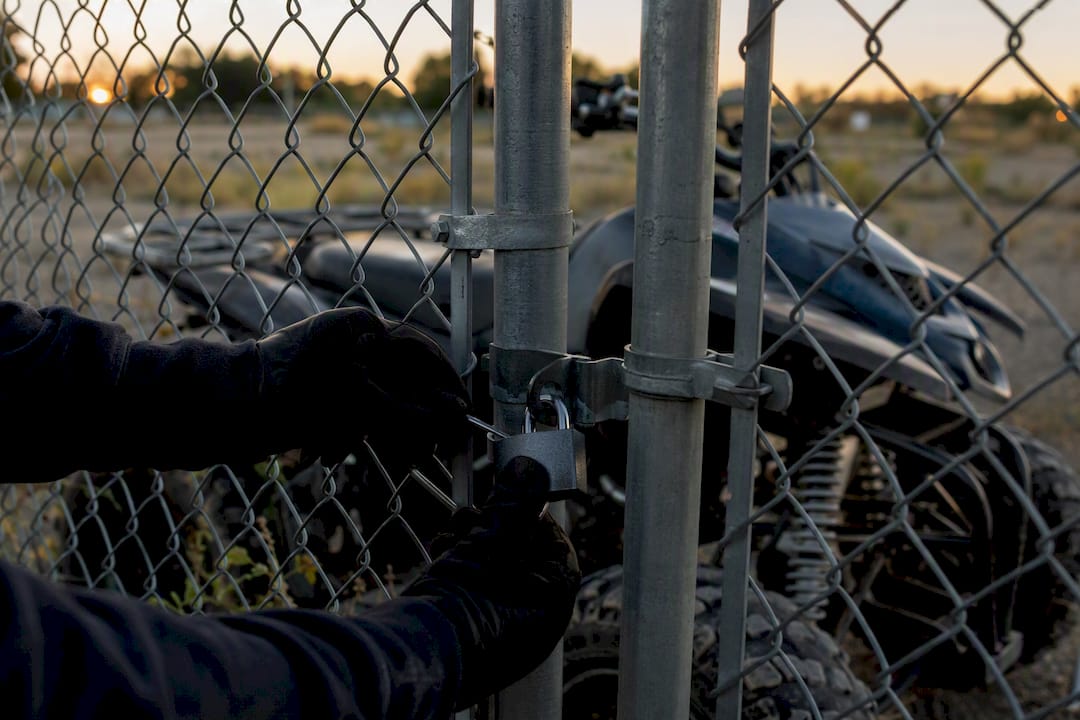
On the administrative side, you’re looking at fines, citations, and in some states, impoundment of the ATV itself if you’re caught riding without required coverage. That’s before any crash happens.
The civil exposure is the part riders underestimate. If you injure someone or damage property while uninsured, you can be sued directly for medical bills and property losses. A judgment against you can lead to wage garnishment or asset seizure, and that debt doesn’t disappear in most cases.
- Homeowners and auto policies frequently exclude motorized off-road vehicles the moment they leave your property, leaving a coverage gap you won’t discover until you file a claim
- A dedicated ATV policy closes that gap and satisfies the proof-of-insurance requirements parks and states actually ask for
Don’t assume your existing auto or homeowners policy has you covered. Confirm it in writing.
What ATV Insurance Costs and What Moves the Price
Premiums vary more than most new owners expect, and the spread comes down to a handful of predictable factors.
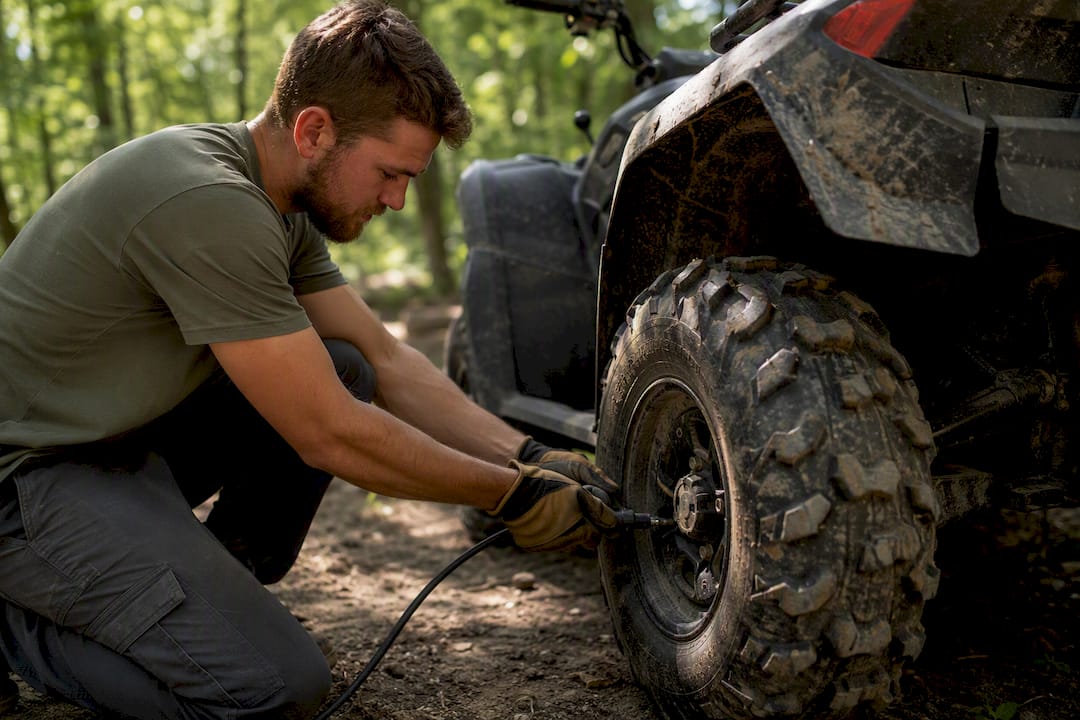
Basic liability-only policies often run a few hundred dollars a year, while full-coverage policies (liability plus collision and comprehensive) commonly land in the low hundreds up to several hundred dollars annually, depending on the machine’s value and where you live, according to ValuePenguin’s cost breakdown.
What actually moves your premium:
- Engine size and the ATV’s replacement value
- Your location and local theft rates
- Your driving record and claims history
- Where you store the machine (locked garage versus open carport)
- Completion of a safety course, which many insurers discount
- Bundling with an existing auto or homeowners policy
Theft risk runs high on ATVs left in driveways or open trailers during off-season months, which is exactly why insurers push comprehensive coverage even for riders who think they’re low risk. Raising your deductible is one of the fastest ways to bring the premium down if you’re storing the machine securely.
Your Next Steps: Confirm Rules, Compare Quotes, Document Everything
Getting compliant takes less time than most riders think if you work through it in order.
- Check your state’s rules first. Visit your state DMV site and your state’s natural resources or parks department page, then cross-reference against the ATV Safety Institute’s state chart for a quick summary.
- Gather your paperwork. You’ll want your insurance card, registration or title if your state requires it, proof of safety training if a park asks for it, and written confirmation from your lender if the ATV is financed.
- Shop at least three quotes from powersports-specific insurers rather than a generic auto carrier, and specifically ask about accessory coverage and permissive-user protection before you sign.
Pro Tip: Permissive user coverage varies by insurer. If your teenager, a neighbor, or a buddy is going to ride your ATV, confirm in writing that they’re covered under your policy before you hand over the keys.
Gokartsusa’s Pre-Ride Checklist for Documentation and Vehicle Prep
Before any ATV heads to a trail, a park, or a registration office, a few habits separate riders who breeze through a check-in from riders who get turned away.
- Keep your insurance card and registration in the same spot every time, and hang onto accessory receipts since they speed up claims if something’s stolen or damaged
- Mark or record your VIN and store the machine securely; both reduce theft-related claims and can shave dollars off your premium
- Match the vehicle to the rider’s age and skill level, and lean on resources like Gokartsusa’s ATV safety checklist for family riders heading out for the first time
Why We Push Insurance Even When the Law Doesn’t
Plenty of riders treat insurance as a box to check only when a state statute forces the issue. That’s backwards thinking, and it costs families more than it saves them.
Gokartsusa has spent years watching families buy their first ATV, and the riders who skip coverage because “the trail doesn’t require it” are the same ones calling us after a fender bender wondering why their homeowners policy denied the claim. We’d rather you read our youth ATV insurance guide before that call happens than after. Check your state’s rules, get a quote, and go ride with a clear head.
— Mario
A Compliant Youth ATV Built for Families, Not Just for the Trail
If you’re weighing insurance costs against buying something newer and safer, Gokartsusa gives you a third option: start with a machine built for age-appropriate, easier coverage from day one. The Mini Sport Kids ATV runs a 110cc gas engine with a parental remote start and kill switch, giving you the kind of control that insurers and state park staff both like to see on a youth machine.

Pair it with the right gear and habits from our ATV safety tips guide, and you’re set up to ride, register, and insure without any surprises at the gate. Check out the Mini Sport Kids ATV today and get your family rolling on a machine built for exactly this kind of ride.
Sources
- Do You Need ATV Insurance? | Progressive
- State rules - ATV Safety Institute
- ATV insurance requirements by state: costs and penalties - LegalClarity
- ATV Insurance: Affordable UTV & Four-Wheeler Coverage | GEICO