




For most riders, professional transport is the right call once you’re crossing state lines, and open-trailer shipping is the most affordable way to get there. Expect roughly $100 to $600 for shorter regional hauls, climbing toward the higher end for cross-country moves. Get quotes from two or three carriers using your exact pickup and delivery ZIP codes before you commit to anyone.
TL;DR:
- Open trailer shipping costs typically range from $100 to $600, depending on distance and route complexity, with enclosed transport being considerably more expensive.
- Preparing your ATV involves removing loose items, photographing its condition, and ensuring it can be loaded without leaks or mechanical issues to prevent delays or damage claims.
- Comparing quotes requires verifying carrier licensing, insurance coverage, and ensuring all fees are included in the final quote to avoid hidden costs.
- Domestic shipping usually takes one to seven days depending on distance, route density, and whether pickup and delivery are door-to-door or terminal-based.
- Proper documentation, early booking, and thorough photos significantly reduce disputes and ensure smooth transit, especially for high-value or fragile ATVs.
Table of Contents
- What Are the Best ATV Shipping Methods?
- How Much Does It Cost to Ship an ATV?
- How Do You Prepare an ATV for Pickup?
- How Do You Compare ATV Transport Quotes?
- How Long Does ATV Shipping Take?
- What Insurance Should You Verify Before Booking?
- Should You Tow Your ATV Yourself or Hire a Carrier?
- How Does GoKartsUSA Handle Shipping and Documentation?
- What Do Owners Get Wrong About Shipping an ATV?
- Buying an ATV You’ll Need to Ship? Start Here
- Sources
What Are the Best ATV Shipping Methods?
Every ATV shipment comes down to a trade-off between protection and price, and picking the right method is where the savings (or the regrets) start.
- Open trailer: the workhorse of ATV transport services. Your quad rides alongside other vehicles on an uncovered trailer. It’s the cheapest option and fine for most stock ATVs making a routine move.
- Enclosed transport: a fully covered trailer that shields your machine from road debris, weather, and prying eyes. Specialist providers point out this option makes sense for high-value or custom builds where theft and damage exposure matter more than saving a few hundred dollars.
- Crated or palletized shipping: your ATV gets boxed and secured to a pallet, common for international moves or fragile aftermarket parts. Most domestic shippers skip this unless the carrier requires it.
- Terminal-to-terminal vs. door-to-door: dropping your ATV at a terminal and picking it up at another terminal often shaves real money off the quote, while door-to-door trades that savings for convenience.
Most riders shipping a single ATV domestically do fine with open trailer, door-to-door service. Save enclosed transport for the machines you genuinely can’t afford to see scratched.
How Much Does It Cost to Ship an ATV?
Distance drives the base price, but weight, dimensions, and the season you’re shipping in can swing a quote by hundreds of dollars even on an identical route. A side-by-side or larger UTV routinely costs more to move than a standard quad, since weight and dimensions substantially change the math carriers use to price a load.
Industry cost calculators put typical distance bands in this range:
These figures typically add up: uShip’s marketplace data shows most ATV quotes landing between $100 and $600, with the low end reserved for short regional runs and the high end for longer, less direct routes.
Beyond distance, expect these add-ons to show up on your invoice: residential pickup or delivery fees (rural addresses cost carriers extra time), oversized load surcharges for larger UTVs, and fuel surcharges that fluctuate with diesel prices. Enclosed transport typically runs noticeably higher than open trailer for the same route, a premium you’re paying for weather and theft protection rather than speed.
How Do You Prepare an ATV for Pickup?
A clean, well-documented pickup keeps your shipment moving and protects you if something goes wrong in transit. Work through this before the carrier’s truck shows up:
- Strip off personal items and loose accessories. Racks, coolers, phone mounts, anything not bolted down needs to come off or get secured separately.
- Photograph the ATV from every angle, including close-ups of existing scratches or wear, and timestamp the images on your phone.
- Leave the tank near empty, not bone dry. Specialist transporters note that draining fluids is generally not required, but the ATV needs to be loadable and free of leaks.
- Check the battery and confirm the ATV starts, or flag it as non-running when you book, since several carriers accept non-operational ATVs using winch loading.
- Gather your paperwork, title, bill of sale, and a printed contact sheet with pickup and delivery numbers, and hand it to the driver at loading.
A quick maintenance pass from our ATV maintenance guide is worth doing before pickup day, since a carrier who spots a fluid leak on inspection can delay or refuse the load.
How Do You Compare ATV Transport Quotes?
Comparing carriers fairly means giving everyone the same information and asking the same hard questions. Provide the make, model, dimensions, weight, exact ZIP codes, and whether the ATV runs, then request an all-in number rather than a bare base rate.
- Ask for the carrier’s MC and DOT number, then verify it directly through the Federal Motor Carrier Safety Administration.
- Ask what the cargo insurance limit actually covers and whether declared value affects your payout.
- Add up base rate plus accessorials (residential fee, fuel surcharge, oversized load charge) before comparing two quotes side by side.
- Walk away from any carrier who can’t produce a verifiable MC/DOT number, demands a large upfront deposit, or gives vague answers about insurance.
Pro Tip: Get every quote in writing with the total landed cost spelled out. A “cheap” $250 quote that balloons to $400 after fees isn’t actually the cheaper option.
How Long Does ATV Shipping Take?
Transit time scales with distance, but route density matters almost as much as mileage. Shipments under 500 miles often move in one to three days, while 500 to 1,500-mile hauls typically take three to seven days. Cross-country moves past 1,500 miles can stretch beyond a week, especially if your pickup or delivery point sits off the main freight corridors.
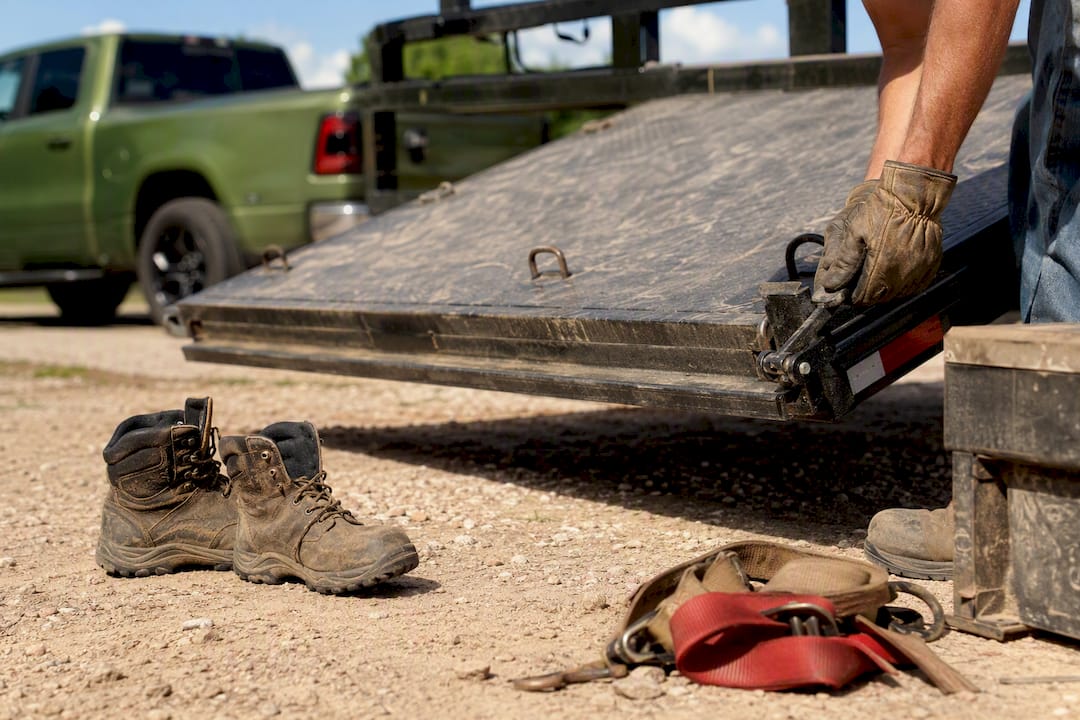
Carriers running popular routes, think coast to coast or through major metro areas, tend to fill trucks faster and deliver sooner. Flexible pickup windows and booking during slower seasons can lower your rate, and choosing terminal pickup over door-to-door often shaves more off the price than most owners realize.
What Insurance Should You Verify Before Booking?
Every legitimate carrier carries cargo insurance, but the limit and what it actually covers vary widely between companies. Ask for the coverage amount in writing, whether there’s a deductible, and how claims get filed if damage happens in transit. Specialist transporters note that enclosed transport shipments often carry higher insurance limits than standard open-trailer loads, one more reason to weigh the enclosed option for a pricier machine.
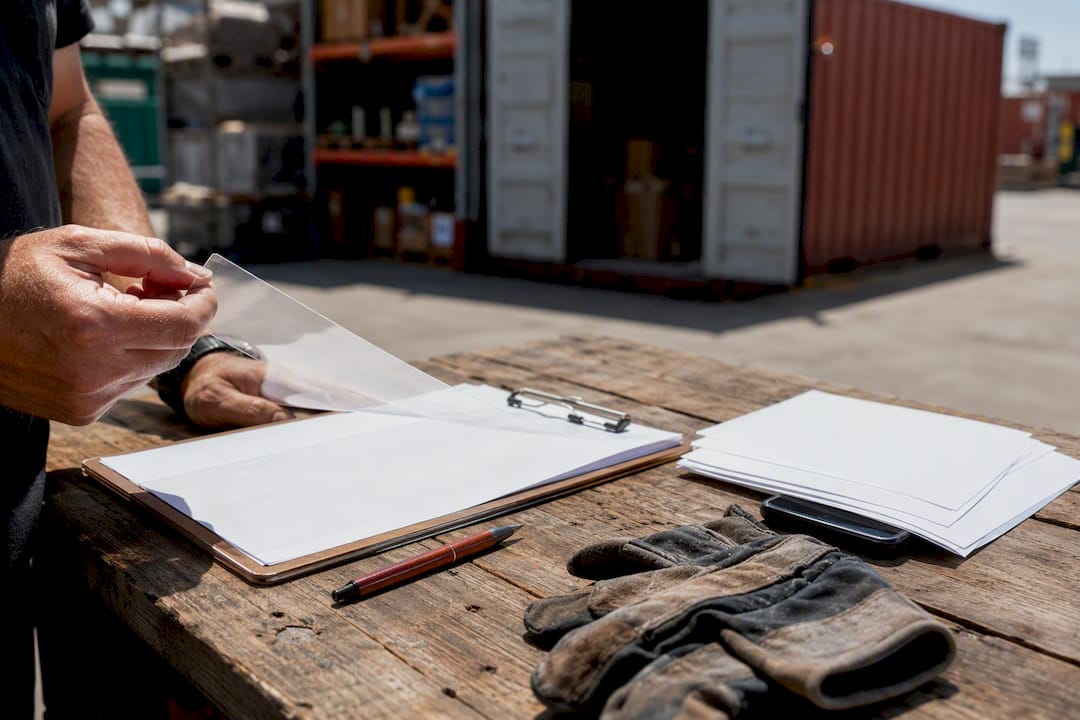
Document your ATV’s condition before the driver leaves with detailed photos, and get the driver’s signature on a bill of lading noting any pre-existing damage. Keep every photo, receipt, and email until the ATV arrives and you’ve confirmed it matches what left your driveway.
Should You Tow Your ATV Yourself or Hire a Carrier?
DIY towing can work for short trips, but the math changes fast once you factor in every real cost.
- Add up trailer rental, fuel, tolls, and lodging if the drive spans more than a day, then compare that total to your best carrier quote.
- Weigh the mechanical risk: towing an unfamiliar trailer for hundreds of miles carries real accident and breakdown exposure, especially for first-timers.
- If you go DIY, follow proper ramp angles, use soft straps anchored to the frame rather than plastic panels, and recheck tie-downs every couple hours on the road.
Carrier best practices back this up: securing an ATV to structural frame points with soft straps, never plastic body panels, prevents most transit damage. For anything over a few hundred miles, a professional quote usually beats the hidden costs of doing it yourself.
How Does GoKartsUSA Handle Shipping and Documentation?
We crate and document every vehicle that leaves our warehouse, photographing condition and packaging before it ever reaches a carrier’s truck. That paperwork trail matters: sellers who document a vehicle’s pre-shipment condition give both buyer and carrier a clear reference point if a dispute ever comes up. Our ATV safety checklist walks through the same condition checks we use before a machine ships.
What Do Owners Get Wrong About Shipping an ATV?
The most common mistake isn’t picking the wrong carrier, it’s skipping the small stuff. Owners forget photos, leave a phone mount rattling around in the cargo bed, or book a carrier three days before they need to move. Each one is avoidable.
If you take one thing from this guide, make it this: photograph everything and book earlier than feels necessary. That single habit resolves more disputes and schedule headaches than any amount of carrier research ever will.
— Mario
Buying an ATV You’ll Need to Ship? Start Here
If you’re shopping for a new ATV rather than moving an existing one, GoKartsUSA gets you a documented, carefully crated machine from the start, no guessing about what condition it left the warehouse in. That paper trail is exactly what carriers and insurers want to see if anything ever needs a claim.

Families looking for a rider-ready option often land on the Mini Sport Kids ATV, a 110cc machine with a parental remote start and kill switch built in. We photograph and crate every unit before it ships, and if you’re coordinating a broader household move alongside a new ATV purchase, this interstate packing checklist is a useful companion for keeping everything organized. Check the Mini Sport Kids ATV product page today to see current availability and shipping details.
Sources
- Federal Motor Carrier Safety Administration
- ATV Shipping Services | Compare Quotes Today | uShip
- Shipping A Side-By-Side ATV or UTV: How Much Will It Cost? | A1 Auto Transport
- ATV Shipping Company | Nationwide ATV & UTV Transport
- ATV & UTV shipping cost calculator | burungo