




A kids’ pedal kart starts under $200, an electric hobby kart runs from a few hundred to low thousands of dollars, a recreational gas or off-road model typically costs in the low thousands, and entry-level racing karts start used around a low thousand and rise to several thousands new. Advanced racing chassis and engines can cost significantly more. Whatever category fits your goals, budget for safety gear and running costs on top of the sticker price. The sections below break down real numbers for each type.
TL;DR:
- Used entry-level racing karts with engines often require additional rebuilds or repairs, which can negate initial savings compared to new models.
- The total first-year cost for recreational and racing go-karts ranges from about $1,450 for kids to over $5,000 for aspiring racers, including gear and fees.
- Prices for electric hobby karts are generally between $300 and $1,500, with lower ongoing costs due to fewer moving parts and no fuel expenses.
- High-end racing karts can cost from $5,000 to over $15,000 once you include engines, advanced chassis, and specialized parts.
- Safety gear expenses, especially certified helmets and proper suits, are a mandatory part of the budget, significantly increasing first-year costs beyond the sticker price.
Table of Contents
- How Much Is a Go-Kart? Price Ranges by Type
- Should You Buy New or Used? A Buyer’s Checklist
- What Does a Go-Kart Really Cost in the First Year?
- How to Buy a Go-Kart Without Overpaying
- What Safety Gear Costs and Which Standards Matter
- Which Go-Kart Fits Your Goals and Budget?
- Why Trust This Guide on Go-Kart Prices
- The Real Lesson in Go-Kart Pricing
- Ready to Find Your Kart? Here’s Where to Start
- Sources
How Much Is a Go-Kart? Price Ranges by Type
There’s no single answer to “how much is a go-kart,” because the category covers everything from a $150 pedal kart in a driveway to a $15,000 shifter kart built for a national championship. The smart move is matching the kart type to how you’ll actually use it, not chasing a bargain that doesn’t fit your goals.
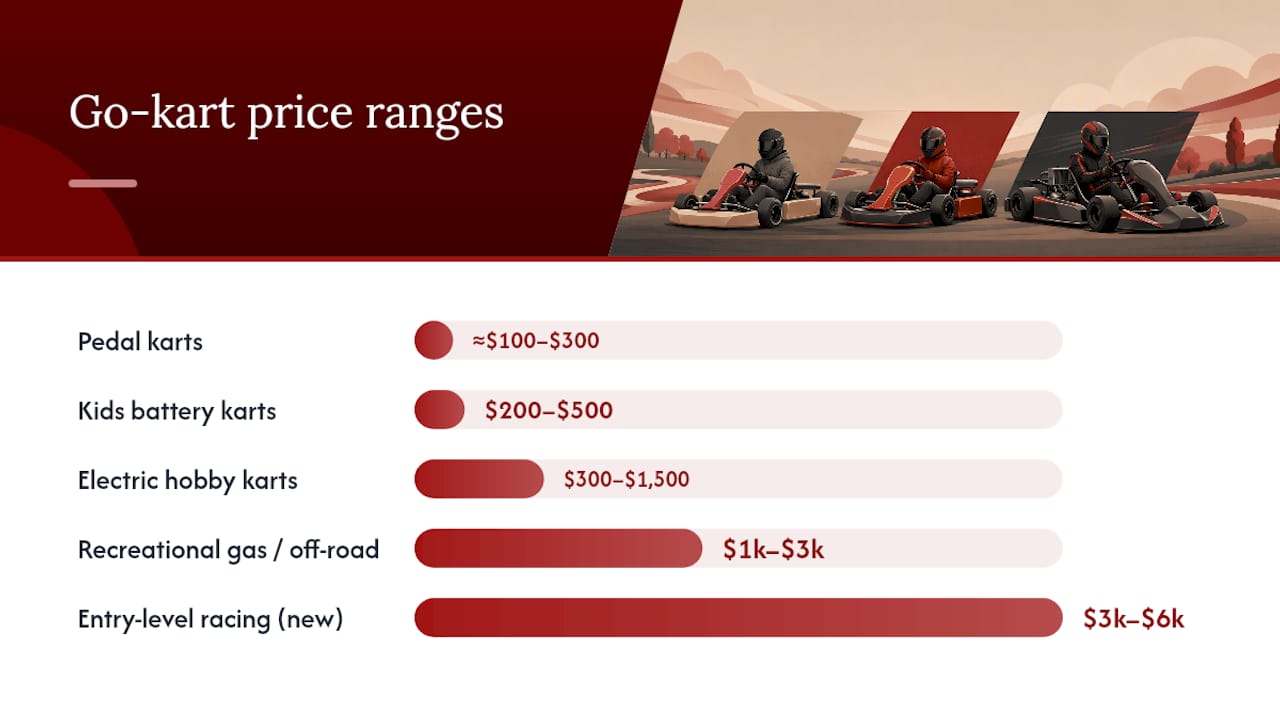
Kids’ pedal and battery-powered karts sit at the entry point. Pedal models typically run from about $100 to a few hundred dollars new. Battery-powered ride-on karts for younger kids usually cost a few hundred dollars, depending on speed and build quality.
Electric hobby karts for older kids and casual adult riders generally price between $300 and $1,500. These trade combustion complexity for simplicity: no oil changes, no fuel smell, just a charge cycle and a throttle. Punk Ride notes that electric models carry a higher upfront cost in some configurations but tend to run cheaper day to day since there’s no gas to buy and fewer moving parts to wear out.
Recreational gas and off-road karts are where most family buyers land. New models with 4-stroke engines in the 5 to 9 horsepower range typically price in the low thousands, depending on frame size, suspension, and whether the engine comes pre-installed. GoKarts USA’s own gas and electric kart lineup shows this range clearly, with off-road and youth models priced in the low thousands depending on engine size and features.
Entry-level racing karts (typically 4-cycle or entry Cadet/Junior classes) start around $1,500 to $2,500 used and $3,000 to $6,000 new for a complete kart with engine. This is the tier where “complete” matters most; some listings quote a bare chassis price and leave the engine as a separate line item that can add $600 to $2,000.
Advanced racing karts, including shifter karts and pro-level chassis, range from $5,000 to $15,000 or more once you add a competitive engine, sprint or shifter gearbox, and racing-grade tires. According to EatHealthy365’s price breakdown, these top-tier setups reflect not just the chassis but the sum of specialized components that recreational buyers never need.
A few things to watch for when comparing listed prices:
- Many racing chassis prices exclude the engine, so a “$1,800 kart” might actually cost $2,600 once you add power.
- Tires are frequently sold separately, even on new complete karts.
- “Ages 8 and up” youth models often list a lower weight and speed cap, which explains why two karts at similar prices can have very different specs.
Should You Buy New or Used? A Buyer’s Checklist
A used entry-level racing kart that lists for $1,500 might need $800 in engine work to be race-ready, which erases most of the savings.
Before handing over cash, work through this checklist in order:
- Check engine hours or run time. Sellers who track this will tell you; if they can’t, ask about recent rebuilds and treat unknown history as a red flag.
- Inspect the chassis for bends or cracks. Lay the frame on a flat surface if possible; a chassis that rocks unevenly has likely been in a hard hit.
- Test wheel bearings for play. Grab each wheel and wiggle it side to side; noticeable looseness means a bearing replacement is coming soon.
- Check brake pad thickness and pedal feel. A soft or spongy brake pedal on a gas kart usually means fluid or line issues.
- Look at sprockets and chain wear. Hooked or shiny sprocket teeth signal the drivetrain needs replacing soon.
- Examine tire tread and sidewall cracking. Dry-rotted tires on an otherwise clean kart are a normal, cheap fix, not a dealbreaker.
Red flags that should make you walk away or renegotiate hard: a chassis with visible welds from prior repairs, an engine that won’t hold idle, or a seller who can’t explain why the price is well below comparable local listings. Any of those usually means hidden cost you haven’t been told about.
New karts almost always come with a manufacturer warranty covering the engine and major components for a defined period, plus a return window if the kart arrives damaged. Used karts carry none of that protection, so factor the missing warranty into your offer.
Pro Tip: Ask every used seller for the original receipt or invoice, even if it’s years old. A seller who can produce one is far more likely to be telling the truth about maintenance history.
What Does a Go-Kart Really Cost in the First Year?
Sticker price is the smallest number in your first-year budget for anything beyond a kids’ pedal kart.
Line items that show up in nearly every first-year budget:
- Helmet, suit, and gloves (recreational riders can get by with less than racers)
- A trailer hitch, ramp, or truck bed setup to transport the kart
- A basic tool kit: wrenches, a torque wrench, tire irons
- A spare set of tires, since factory tires wear faster than most buyers expect
- Registration or track membership fees if you plan to race
- Sales tax, which varies by state and can add several hundred dollars on a $3,000 purchase
Flow Racers points out that a realistic all-in first-year budget for someone entering club-level karting, kart included, commonly lands in the low five-figure range once gear, tools, tires, and race fees are factored in. That number surprises a lot of newcomers who only priced the chassis.
Here’s how that plays out across three common buyer profiles:
Parent buying for a child (recreational): Kart $1,200, helmet and pads $150, trailer/transport already owned, spare tires $100. First-year total: roughly $1,450 to $1,800.
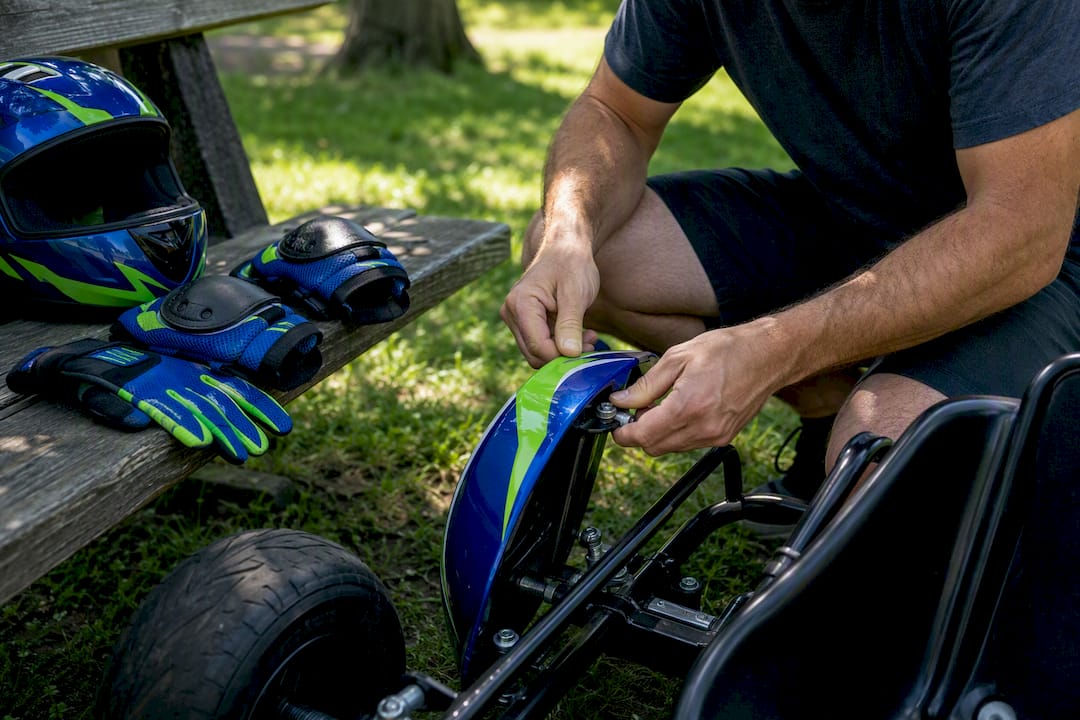
Adult hobbyist (recreational/off-road): Kart $2,500, gear $300, tools $150, tires and consumables $200. First-year total: roughly $3,150 to $3,700.
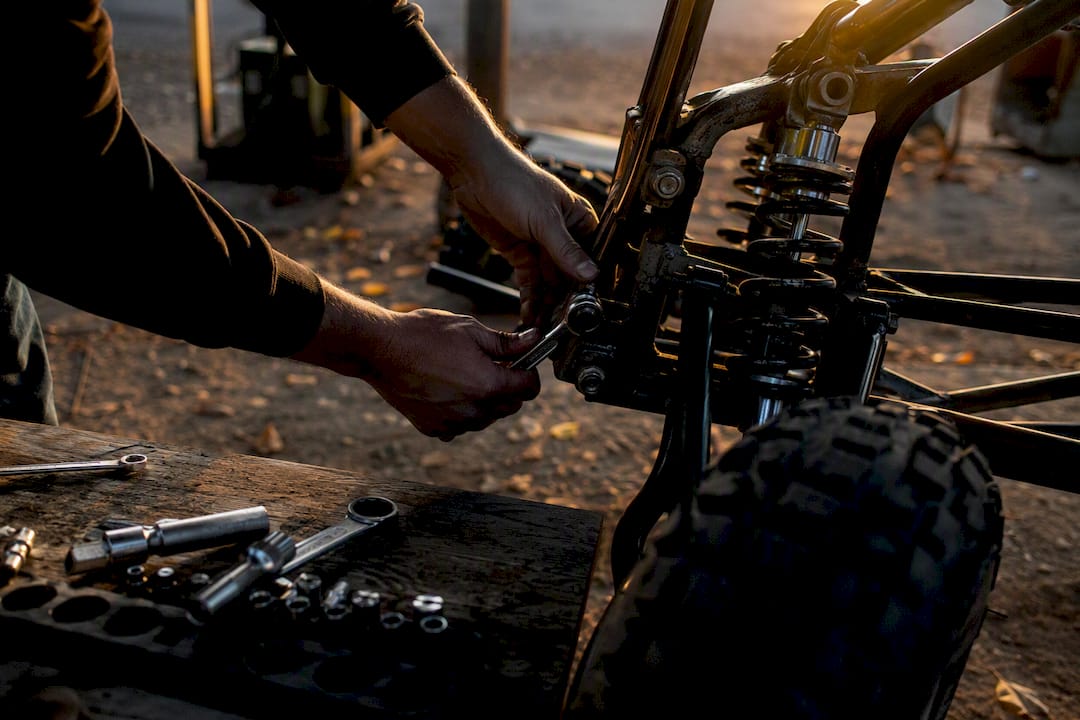
Aspiring club racer (entry-level racing): Used kart with engine $2,200, race suit and helmet $600, tools $300, spare tires and chain $400, one season of race entry fees $800 to $1,500. First-year total: roughly $4,300 to $5,000, and that’s before any engine rebuild.
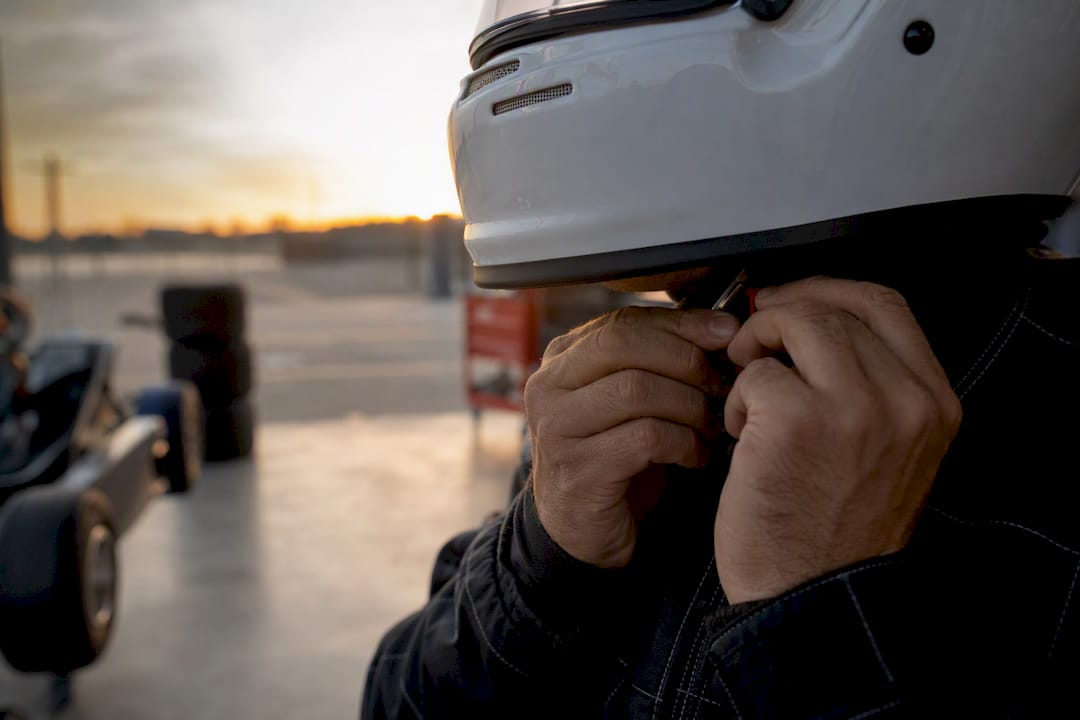
Ongoing annual costs after year one drop for recreational owners but stay high for racers, since Flow Racers and other guides consistently flag tires, fuel, and consumables as the fastest-wearing budget lines. Renting instead of buying is worth considering here too: many U.S. entertainment venues charge $15 to $30 per race, which FastTrax’s pricing page shows clearly, making occasional track days a cheap way to test the sport before committing to a purchase.
How to Buy a Go-Kart Without Overpaying
Whether you’re buying online or picking up a used kart locally, the same handful of steps protect you from surprise costs.
- Ask for maintenance records and original receipts. A seller with documentation is showing you they’ve taken care of the kart, not just cleaned it up for photos.
- Get the total shipping cost in writing before you commit. Freight on a complete kart can run $150 to $400 depending on distance and whether the seller offers free shipping as part of a promotion.
- Confirm whether assembly is included or DIY. Some karts ship 90% assembled; others need several hours of setup, which matters if you don’t own basic tools yet.
- Compare warranty terms line by line. A 90-day parts warranty on a new kart is common; anything shorter should factor into your offer.
- Consider financing only if the terms are clear and short. Financing a $2,500 to $4,000 recreational kart can make sense if it lets you buy new with a warranty instead of stretching for a risky used unit, but read the payment schedule closely before signing.
Local pickup avoids shipping costs entirely but limits your options to what’s nearby. Buying online opens up far more inventory, provided you factor freight into your comparison instead of judging purely on sticker price.
What Safety Gear Costs and Which Standards Matter
Safety gear is not optional spending. It’s part of the real price of getting on track or trail, and skipping it to save money is the single most common first-year budgeting mistake.
- Helmet: $80 to $400, depending on whether it’s a basic DOT-rated open-face helmet or a full-face racing helmet meeting Snell standards.
- Racing suit: $100 to $500 for entry-level abrasion-resistant suits.
- Gloves: $20 to $80.
- Rib protector: $40 to $150, standard for competitive racing but optional for casual recreational riding.
- Racing boots: $60 to $200.
For any competitive use, look for helmets meeting Snell or DOT certification rather than a generic novelty helmet, since GoKartGuide’s cost breakdown lists safety gear as a recurring line item that adds real weight to first-year totals across every kart type. Fit matters as much as price here: a $90 helmet that fits correctly protects you better than a $300 helmet that sits loose. Gear that fits well also lasts longer, since kids especially tend to outgrow suits and boots faster than they wear them out.
Which Go-Kart Fits Your Goals and Budget?
Three questions narrow down the right kart faster than browsing listings for hours.
Who’s riding? A young child needs a pedal or entry electric kart under $600. A teen or adult wants a recreational gas model in the $800 to $4,000 range. Someone chasing race results needs an entry-level racing chassis starting around $1,500 used.
Where will it run? A backyard or private property is fine for pedal and electric karts. Off-road trails call for a kart with real suspension and bigger tires. A sanctioned track requires a kart built to that track’s class rules, which rules out most recreational models entirely.
How serious is the goal? Weekend fun points toward recreational gas or electric. A genuine racing ambition points toward entry-level racing karts and a first-year budget closer to $4,000 to $5,000 once gear and fees are included.
A sensible compromise many buyers overlook: buy a used chassis in good structural shape and pair it with a new engine, rather than buying a fully new kart or a fully used one. You get warranty coverage on the part most likely to fail while saving on the frame, which rarely wears out the way an engine does.
Why Trust This Guide on Go-Kart Prices
Mario has spent years covering the powersports retail space, tracking how price ranges shift across kids’ recreational models, off-road karts, and entry-level racing setups. That vantage point comes from watching real buyer questions and real purchase decisions play out, not just reading spec sheets.
GokartsUSA.biz backs that experience with a catalog spanning kids’ gas karts, off-road models, and racing-adjacent builds, plus a blog stocked with buyer-first resources rather than sales copy alone.
For deeper prep before you buy:
- The beginner go-kart checklist walks through what to confirm before your first purchase.
- The maintenance essentials guide covers the recurring costs that show up after year one.
The Real Lesson in Go-Kart Pricing
Most price guides answer “how much is a go-kart” with a single number, and that number is almost always misleading. The research behind this guide points somewhere more useful: the sticker price is a down payment on a hobby, not the finish line. A $1,200 recreational kart and a $2,200 entry-level racer can end up costing nearly the same in year one once gear, tires, and fees enter the picture.
Where conventional advice falls short is treating new and used as a simple cost comparison. The better question is whether you’re buying a chassis you can inspect confidently or a mystery box with hidden repair bills. A used kart with a documented engine rebuild often beats a cheaper new model with a stripped-down warranty.
Prioritize matching kart type to actual use before comparing prices at all. Buyers who skip that step end up overpaying for capability they’ll never use, or underbuying and outgrowing their kart within a season.
— Mario
Ready to Find Your Kart? Here’s Where to Start
Comparing listings across marketplaces and classified ads eats hours, and most of those listings won’t give you a straight answer on what’s included. Gokartsusa skips that friction: every product page lists the engine size, age recommendation, and included features up front, so you’re comparing real specs instead of guessing what a vague ad actually includes.

If you’re a parent shopping for a first kart, the Sport Kart Kids Gas Go Kart, built for ages 8 and up with a 2.5hp 4-stroke engine, fits the recreational off-road budget range covered above. Adults looking for a step up in power might browse the full gas and electric kart collection to compare engine sizes side by side. Before you buy anything, run through the go-kart buying checklist so you know exactly what questions to ask and what safety gear to add to your cart. Financing is available at checkout for buyers who’d rather spread out a larger purchase than delay getting their kart altogether.
Sources
- How Much Does a Go Kart Cost? A Full Price Guide — EatHealthy365
- How Much Do Go-Karts Cost? (Full Price Breakdown) — Flow Racers
- Go Kart Price Guide 2026: How Much Do They Really Cost? — Punk Ride