




TL;DR:
- Family outdoor activities in 2026 focus on multigenerational experiences that foster bonds, skills, and memories outside the home. Activities like backyard camping, nature scavenger hunts, water play, and go-karting appeal to multiple ages and promote engagement. Effective planning involves flexible schedules, free play, and involving children in choosing activities to maximize fun and reduce stress.
Family outdoor activity ideas for 2026 are defined as accessible, multigenerational experiences that build bonds, develop skills, and create lasting memories outside the home. The best outdoor family fun combines physical movement with shared discovery, from backyard adventures to full-scale seasonal attractions. Research confirms that unstructured play fosters independence and cooperation among children, making every outing more rewarding. Whether your family craves quiet nature walks or the thrill of powersports, 2026 offers more options than ever to get outside and connect.
1. What are the top family outdoor activity ideas for 2026?
The strongest outdoor family fun ideas share one trait: they work for multiple ages at once. Activities that let a 6-year-old and a 14-year-old both feel challenged are the ones families remember for years.
- Backyard camping: Set up a tent, cook over a fire pit, and stargaze together. No park reservation required, and the setup itself becomes part of the fun.
- Nature scavenger hunts: Print a checklist of local plants, birds, and insects. Kids compete to spot items first, which sharpens observation skills and keeps energy high.
- Water play days: Sprinklers, water balloons, and inflatable splash pads turn any yard into a summer destination. Older kids can build water obstacle courses for younger siblings.
- Go-karting: Few activities match the cross-age appeal of go-karting. Kids as young as 8 can ride youth models, while teens and adults enjoy faster machines. Gokartsusa offers youth go-karts for safe family recreation at accessible price points.
- Family hiking: Trails rated “easy” or “moderate” work for most ages. Pack a picnic and turn the destination into a reward.
- ATV riding: Families with older kids can explore family-friendly ATV activities on designated trails with proper safety gear.
- Creative outdoor projects: Build a birdhouse, plant a garden bed, or paint rocks together. These projects combine creativity with fresh air and give kids something tangible to show for the day.
Pro Tip: Let each child pick one activity from the list for the week. Ownership over the choice increases excitement and reduces resistance at departure time.
2. How to tailor family outdoor activities to different age groups
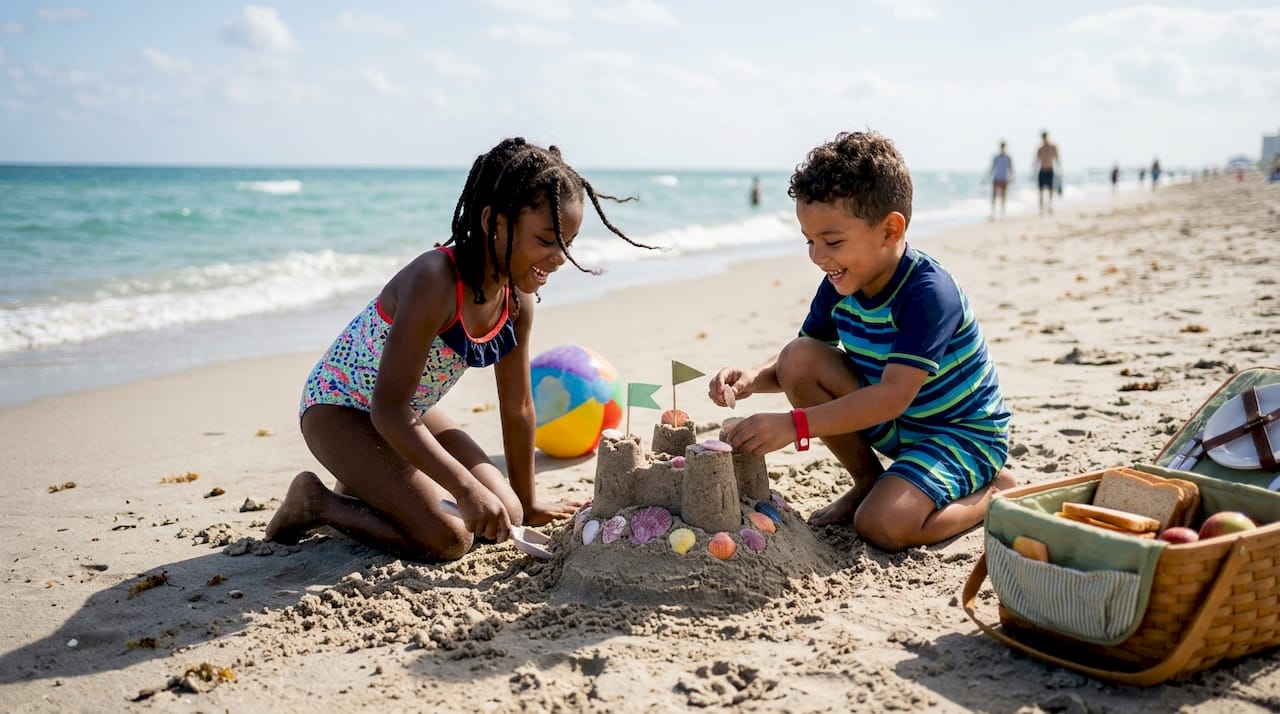
Tailoring activities to the youngest child’s abilities ensures accessibility and minimizes frustration during family outings. A teen who feels held back and a toddler who feels overwhelmed both signal the same planning failure.
Toddlers (ages 2–4)
Toddlers thrive on flat terrain and sensory experiences. Shallow water play, sandbox digging, and short nature walks under a mile keep this age group engaged without exhaustion. Avoid activities with strict height or weight minimums, since most toddlers will not qualify and the disappointment is hard to manage on-site.
Kids ages 5–11
This group has the widest activity range of any age bracket. Kids 5–11 can try ziplining with a 60-pound minimum weight requirement, beginner river rafting, and entry-level go-karts. This is the prime window for introducing powersports in a controlled, supervised setting. Gokartsusa’s Sport Kart Kids Gas Go Kart suits ages 8 and up, giving this group a genuine thrill with built-in safety features.
Teens ages 12 and up
Teens respond to challenge and autonomy. Multi-day adventures like overnight hiking trips, kayaking excursions, and advanced go-kart tracks give them real stakes. Involve teens in route planning and gear selection. That involvement converts a “family activity” into something they actually want to do.
Pro Tip: Always plan the day’s difficulty level around your youngest child, not your oldest. You can add challenge for older kids through distance or speed, but you cannot subtract difficulty once everyone is already on the trail.
3. Which seasonal outdoor events are worth visiting in 2026?
Seasonal attractions offer experiences no backyard can replicate. The key is knowing the specifics before you arrive, since height requirements and pricing can make or break a family’s day.
Quadzilla water slide at Stony Creek Metropark
The Quadzilla water slide stands 50 feet tall and requires a 42-inch minimum height to ride. Single rides cost $3, and all-access wristbands run $12 per day. That pricing makes it one of the most affordable large-scale water attractions in the Midwest for summer 2026. Families with kids under 42 inches should plan for the splash pad and beach areas instead, which have no height restrictions.
Water Play at Moominvalley
Water Play at Moominvalley draws families who want a themed, story-driven outdoor experience. The attraction blends character-based play zones with water features, making it a strong pick for families with younger children who need narrative engagement to stay interested.
Pricing context for families
UK families visiting eligible attractions between june 25 and september 1, 2026 benefit from a VAT reduction on admission from 20% down to 5%. That reduction meaningfully lowers the cost of a full-day family outing at participating parks. American families should watch for similar seasonal discount windows at state and regional parks, which frequently offer free admission weekends throughout the summer.
| Attraction | Key Detail | Cost |
|---|---|---|
| Quadzilla Water Slide | 50 ft tall, 42-inch height minimum | $3 per ride / $12 all-day |
| Water Play at Moominvalley | Themed water play zones, younger-kid focus | Varies by park |
| UK eligible attractions | VAT reduced June 25–September 1, 2026 | 15% savings on admission |
4. What planning strategies maximize fun and minimize stress?
Planning outdoor family adventures around energy cycles prevents burnout and improves enjoyment for every family member. The families who struggle most on outings are usually the ones who packed too much into too few hours.
The most effective structure is a four-block itinerary: morning movement, midday pause, afternoon transition, and evening wind-down. Morning is when kids have the most physical energy, so schedule hikes, go-karting, or water slides before noon. Midday is for food, shade, and rest. Afternoons work well for lower-intensity activities like crafts or casual exploration. Evenings are for reflection, campfires, or quiet games.
Building in 60–90 minutes of free play during the afternoon is not optional. It is the part of the day where kids decompress, invent their own games, and cooperate without adult direction. Families who skip this block consistently report more conflict and less satisfaction with the overall outing.
- Involve kids in planning: Let children help choose destinations and activities. A Yes Day approach where kids plan a full day within a set budget teaches financial responsibility and dramatically increases their buy-in.
- Skip the over-schedule: Skipping structured camp signups intermittently gives families room for spontaneous, low-stress outdoor time that often becomes the most memorable.
- Blend old and new: Combining nostalgic activities like skipping rocks with skill-building ones like map navigation or basic first aid creates well-rounded days that appeal to every age.
- Pack for flexibility: Bring gear for two activity types so you can pivot if weather changes or a child hits a wall earlier than expected.
A Summer Fun Club framework that spans athletic, arts, academic, and service categories gives families a structure for the whole season without locking them into a rigid calendar. Think of it as a menu, not a schedule.
Key takeaways
The most effective family outdoor activities for 2026 combine age-appropriate challenge, unstructured free time, and at least one activity chosen by the children themselves.
| Point | Details |
|---|---|
| Match activities to the youngest child | Plan difficulty around your youngest to keep the whole group engaged and safe. |
| Use a four-block daily structure | Schedule high-energy activities in the morning and free play in the afternoon. |
| Build in 60–90 minutes of free play | Unstructured afternoon time reduces conflict and boosts overall family satisfaction. |
| Involve kids in planning | Letting children choose activities and manage a budget increases excitement and teaches life skills. |
| Seasonal attractions need advance research | Know height requirements and pricing before arrival to avoid on-site disappointment. |
Why the best outdoor days are never the ones you over-planned
I have watched families arrive at trailheads with color-coded binders and leave frustrated because the 9-year-old refused to hike past mile two. I have also watched families pull over at a random creek, spend two hours throwing rocks, and call it the best day of the summer. The difference is not the activity. It is the expectation.
The families I see thriving outdoors in 2026 are the ones who treat the plan as a suggestion. They book the go-kart session, yes. But they also leave two hours unscheduled and let the kids fill it. That gap is where the real bonding happens. Kids invent games, negotiate rules, and solve small problems without a parent moderating every move.
Powersports activities like go-karting deserve more credit as family bonding tools. There is something about shared speed and controlled risk that strips away the usual family dynamics. A quiet teenager becomes animated behind the wheel. A cautious 8-year-old discovers they are braver than they thought. Those moments do not happen on a nature walk. They happen when you hand a kid a steering wheel and step back.
My honest advice: pick one big adventure per outing, leave the rest of the day open, and resist the urge to fill every quiet moment with a scheduled activity. The memories you are chasing are usually hiding in the unscheduled hours.
— Mario
Gear up for family adventure with Gokartsusa
Ready to add real horsepower to your family’s outdoor lineup? Gokartsusa carries a full range of powersports vehicles built for families who want more than a walk in the park.

The Sport Kart Kids Gas Go Kart is a 2.5hp, 4-stroke machine designed for ages 8 and up, with safety features that let parents feel confident and kids feel the thrill. For teens ready to level up, the Gas Powered Mini Bike delivers 3.5hp of automatic fun for ages 12 and up. Both models ship with free delivery and come with Gokartsusa’s commitment to reliability and customer support. If you want to see what family adventure looks like at full throttle, Gokartsusa is your starting point.
FAQ
What are the best outdoor activities for families in 2026?
Go-karting, family hiking, water play, and nature scavenger hunts rank among the top picks for 2026. The best choice depends on your children’s ages and the youngest child’s physical abilities.
How much free play time should families build into outdoor trips?
Families should build in 60–90 minutes of unstructured free play during afternoon hours. This time reduces conflict and supports cooperative behavior among children.
What is the minimum height for the Quadzilla water slide?
The Quadzilla water slide at Stony Creek Metropark requires a 42-inch minimum height. All-access wristbands cost $12 per day for unlimited rides.
At what age can kids start go-karting?
Most youth go-kart models are designed for ages 8 and up. Gokartsusa’s Sport Kart Kids Gas Go Kart is built specifically for this age group with appropriate safety features.
How do you plan a family outdoor day without burnout?
Use a four-block structure: morning movement, midday rest, afternoon transition, and evening wind-down. Schedule the most physically demanding activities before noon when kids have peak energy.