




TL;DR:
- Outdoor recreation in 2026 sees record participation, with hiking leading as the most popular activity. Slower hobbies like birdwatching and fishing grow, emphasizing mindfulness and environmental connection. Seasonally mapped adventure sports and powersports expand options for year-round outdoor engagement.
Outdoor recreation in 2026 is defined by record participation, growing accessibility, and a clear shift toward activities that feed both body and mind. Outdoor participation hit 183.2 million Americans in 2025, representing 59% of the population ages 6 and up. That number grew by nearly 30 million since 2019. The top outdoor hobbies 2026 enthusiasts are choosing span everything from high-mileage hiking trails to quiet birdwatching mornings, seasonal adventure sports, and the rising thrill of powersports. Whether you are brand new to the outdoors or a seasoned enthusiast looking for your next pursuit, this list covers the activities worth your time this year.
1. What are the top outdoor hobbies 2026 by participation?
Hiking is the single most popular outdoor hobby in the United States. 63.4 million Americans participated in hiking in early 2026, and global participation exceeds 150 million people. Those numbers reflect hiking’s unbeatable combination of zero equipment requirements, scalable difficulty, and proven cardiovascular and mental health benefits.
Cycling ranks just behind hiking in total participation. Urban infrastructure investment and the widespread adoption of e-bike technology have brought millions of new riders onto trails and bike lanes. You do not need elite fitness to ride regularly anymore. E-bikes have made cycling a genuine option for people across age groups and fitness levels.
- Hiking: Start with paved or well-marked nature trails before moving to backcountry routes. Proper footwear is the only non-negotiable gear investment.
- Cycling: A hybrid or comfort bike suits most beginners. Urban riders benefit from dedicated bike lanes; trail riders should start on flat, groomed paths.
- Trail running: A natural progression from hiking for those who want more intensity without switching sports entirely.
Pro Tip: Download a free trail app like AllTrails before your first hike. Offline maps prevent the most common beginner mistake: getting turned around without cell service.
2. Which slower, mindful outdoor hobbies are gaining ground?
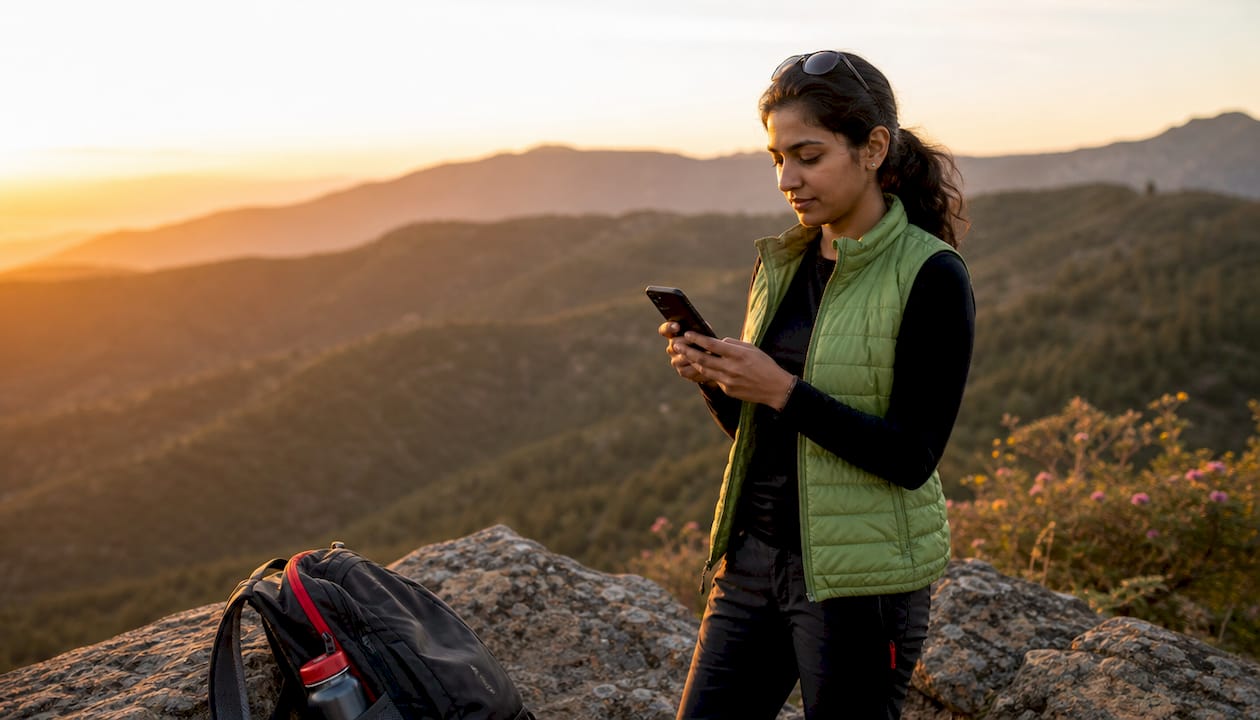
A clear cultural shift toward slow, mindful outdoor activities is shaping the hobby landscape in 2026. Birdwatching, gardening, nature photography, and fishing attract people who want stress reduction and a deeper connection to the environment. These hobbies do not demand peak fitness. They reward patience, observation, and consistency instead.
Birdwatching has grown steadily across all age groups. A pair of binoculars and a field guide are the only startup costs. Nature photography pairs well with hiking and birdwatching, adding a creative layer to time already spent outdoors. Gardening, both in private yards and community plots, connects participants to seasonal rhythms in a way that few other hobbies can replicate.
Slow outdoor hobbies align directly with the wellness trend and a societal push toward mindful, less intense leisure. They give people a reason to be outside without the pressure of performance or distance goals.
Fishing deserves special mention as a multigenerational pastime. A parent and a ten-year-old can fish the same spot with equal enjoyment. That kind of shared experience is rare in outdoor recreation and explains why fishing license sales remain strong year after year.
Pro Tip: Pair birdwatching with a 20-minute morning walk. You get the cardiovascular benefit of the walk and the mindfulness benefit of focused observation. Two hobbies, one outing.
3. How seasonal and adventure-based hobbies shape year-round engagement
Adventure sports reward enthusiasts who plan around the calendar. Experts recommend mapping outdoor activities to seasonal windows for the best combination of safety and enjoyment. Ice climbing peaks in winter. White-water rafting and rock climbing shine in spring. Mountaineering and long-distance backpacking belong to summer. Fall brings ideal conditions for mountain biking and trail running.
Matching your activity to the season is not just about comfort. It directly affects safety outcomes and the quality of the experience. A spring rafting trip on high snowmelt rivers delivers a completely different and far more intense experience than the same river in late summer.
- Winter: Ice climbing, snowshoeing, cross-country skiing, and fat-tire biking on groomed trails.
- Spring: White-water rafting, rock climbing, and wildflower hiking at lower elevations.
- Summer: Mountaineering, long-distance backpacking, kayaking, and open-water swimming.
- Fall: Mountain biking, trail running, hunting, and foliage hiking.
Planning matters more than most enthusiasts expect. High-demand adventure destinations require booking 6–12 months in advance. Popular routes like the Inca Trail and remote expedition destinations operate under strict capacity limits regardless of budget. Missing the booking window means missing the season entirely.
Pro Tip: Set a calendar reminder every september to book the following year’s major adventure. The best permits and guided slots disappear within hours of opening.
4. What emerging powersports trends are shaping outdoor hobbies?
Motorized outdoor hobbies including go-karting, mini bikes, and ATVs have surged in popularity with strong family-friendly appeal in 2026. These sports lower the barrier to outdoor adventure by removing the fitness requirement entirely. A child who cannot yet hike five miles can still experience genuine outdoor excitement on a go-kart or ATV.
Powersports also scale well across age groups. Entry-level go-karts suit kids as young as 8. Adult-oriented ATVs and mini bikes handle more demanding terrain and higher speeds. The family appeal of powersports comes from the fact that multiple generations can participate at the same event, each on equipment matched to their skill level.
- Go-karts: Ideal for ages 8 and up. Gas-powered models offer more run time and a more authentic motorsports feel than electric alternatives.
- Mini bikes: A natural step up for teens and adults. Automatic transmissions reduce the learning curve significantly.
- ATVs: Best for varied terrain. Kids’ models with parental remote start and kill switches add a meaningful safety layer.
- Dirt bikes: Build balance and throttle control. Best introduced with proper protective gear and supervised riding areas.
Safety gear is non-negotiable in powersports. Helmets, gloves, and appropriate footwear reduce injury risk across all vehicle types. Starting on flat, open terrain before moving to trails gives new riders the confidence they need to progress safely.
Pro Tip: Choose a vehicle rated for the rider’s age and weight, not their ambition. An undersized rider on an oversized machine is the most common powersports safety mistake.
5. How do age, accessibility, and frequency affect long-term participation?
Demographic trends are reshaping who participates in outdoor hobbies and how often. Americans age 65 and older increased outdoor recreation participation from 25.7% in 2016 to 41.6% in 2025, totaling 9 million regularly active older adults. That shift is significant. It means outdoor hobbies are no longer the exclusive domain of young, high-fitness participants.
E-bikes have been central to this demographic shift. They remove the fitness barrier that previously kept older adults and deconditioned individuals from cycling consistently. A 70-year-old can now ride 20 miles with manageable effort. That kind of access changes the entire participation equation.
Frequency of outdoor engagement is the key difference between casual participants and lifelong enthusiasts. Repeat participation builds a genuine connection to public lands and a personal commitment to conservation.
Barriers to consistent participation are real but solvable. Equipment cost, transportation to trailheads, and lack of local programming all reduce frequency. Removing logistical hurdles like equipment rentals and community programs significantly increases sustained engagement. Many state parks and recreation departments now offer gear lending libraries and guided beginner programs at no cost.
- Rent before you buy: Test a kayak, fat-tire bike, or ATV through a rental program before committing to a purchase.
- Join a local club: Running clubs, hiking groups, and cycling teams provide accountability and social motivation.
- Start with short outings: A 45-minute outing twice a week builds the habit faster than one exhausting full-day trip per month.
- Use community programming: Many parks offer free or low-cost guided hikes, birdwatching walks, and paddling clinics.
Key Takeaways
The most effective approach to outdoor hobbies in 2026 is matching activity to your fitness level, season, and frequency goals rather than chasing the most popular option.
| Point | Details |
|---|---|
| Hiking leads participation | 63.4 million Americans hike, making it the most accessible high-participation outdoor hobby. |
| Mindful hobbies are growing | Birdwatching, gardening, and nature photography attract all ages seeking stress relief outdoors. |
| Seasonal planning is critical | Mapping activities to seasonal windows improves both safety and enjoyment year-round. |
| Powersports open new doors | Go-karts, ATVs, and mini bikes give families a beginner-friendly path into outdoor adventure. |
| Frequency builds lasting habits | Short, regular outings create stronger outdoor engagement than occasional intense trips. |
Why I think most people pick the wrong outdoor hobby first
Most people choose their first outdoor hobby based on what looks exciting in a video or what their most athletic friend recommends. That approach almost always leads to a frustrating early experience and a hobby abandoned within three months.
The outdoor activities with the highest long-term retention rates are not the most dramatic ones. They are the ones that fit naturally into your existing schedule and physical baseline. A twice-weekly birdwatching walk builds a stronger outdoor habit than a single grueling mountain climb. The climb makes a great story. The walk changes your relationship with the outdoors permanently.
I have watched this pattern play out repeatedly. Someone discovers trail running, goes too hard in the first month, gets injured, and returns to the couch. Someone else starts with a 30-minute nature walk three times a week, adds a camera, starts identifying birds, and five years later is leading guided nature walks for their community. The second person never felt like they were “doing a hobby.” They were just going outside.
The best outdoor pastimes for 2026 are the ones you will still be doing in 2028. Match the activity to your current fitness, your available time, and your genuine interests. Then add frequency before you add intensity. That sequence works every time.
— Mario
Powersports from Gokartsusa: outdoor adventure for the whole family
Gokartsusa carries a full lineup of gas-powered go-karts, mini bikes, ATVs, and dirt bikes built for families who want real outdoor excitement without a steep learning curve.

The Sport Kart Kids Gas Go Kart runs on a 2.5hp 4-stroke engine and suits riders ages 8 and up, making it one of the most popular entry points into powersports. For teens and adults ready for more, the Gas Powered Mini Bike delivers a 3.5hp automatic 4-stroke experience with a manageable learning curve. Every vehicle in the Gokartsusa catalog comes with detailed specs, color options, and safety guidance so you can match the right machine to the right rider. Check the full lineup at gokartsusa.biz and find your family’s next outdoor adventure.
FAQ
What is the most popular outdoor hobby in the US in 2026?
Hiking is the most popular outdoor hobby in the US, with 63.4 million participants recorded in early 2026. Its low cost and scalable difficulty make it the top choice across all age groups.
How many Americans participate in outdoor recreation?
Outdoor recreation participation reached 183.2 million Americans in 2025, equal to 59% of the population ages 6 and up. That figure grew by nearly 30 million since 2019.
Are powersports considered outdoor hobbies?
Go-karting, ATV riding, and mini biking are recognized outdoor recreational hobbies with strong family-friendly appeal. They have surged in popularity in 2026 as beginner-accessible alternatives to traditional outdoor sports.
What outdoor hobbies are best for older adults?
E-bike cycling, birdwatching, gardening, and fishing are the most accessible outdoor hobbies for older adults. Americans 65 and older increased outdoor participation from 25.7% in 2016 to 41.6% in 2025, largely driven by low-impact and technology-assisted options like e-bikes.
How far in advance should I book adventure travel?
High-demand adventure destinations require booking permits and transportation 6–12 months in advance. Capacity-limited routes like the Inca Trail fill up within hours of permit release windows opening.