




Many enthusiasts believe all go-kart tires deliver similar performance, but this misconception can cost you speed, handling, and safety on the track. The reality is that tire compound, tread design, and maintenance practices dramatically influence your kart’s capabilities. Soft compounds grip aggressively but wear fast, while slick versus treaded designs respond differently to weather conditions. Understanding these nuances and applying proper tire care transforms your racing experience. This guide breaks down tire types, performance characteristics, wear diagnostics, and maintenance strategies to help you maximize your kart’s potential and extend tire life.
Table of Contents
- Understanding Go-Kart Tire Compounds And Performance
- Slick Vs. Treaded Tires: Matching Tread Design To Track Conditions
- Diagnosing Tire Wear And Optimizing Maintenance For Longer Performance
- Choosing The Right Tires For Your Go-Kart Type And Use
- Explore Quality Go-Karts And Accessories At GoKarts USA®
- Frequently Asked Questions About Go-Kart Tires
Key takeaways
| Point | Details |
|---|---|
| Compound choice impacts performance | Soft tires grip best but wear quickly, while medium compounds balance durability and traction for varied use. |
| Tread design matches conditions | Slick tires excel on dry tracks, whereas treaded designs channel water for wet surface stability. |
| Temperature monitoring optimizes setup | Using pyrometers to check inner, middle, and outer tire temps reveals alignment issues and peak operating windows. |
| Wear patterns diagnose problems | Uneven wear indicates incorrect pressure or misalignment, requiring immediate adjustment to preserve performance. |
| Tire selection depends on kart type | Racing karts need soft performance rubber, while recreational and endurance models benefit from harder, longer-lasting compounds. |
Understanding go-kart tire compounds and performance
Tire compound directly determines how your kart grips the track and how long that grip lasts. Soft compounds use stickier rubber formulations that create maximum contact with the racing surface, delivering superior traction and faster cornering speeds. Competitive racers favor soft tires because they provide the edge needed for aggressive driving and quick lap times. However, this performance comes at a cost: soft rubber degrades rapidly under heat and friction, often requiring replacement after just 80 to 100 laps depending on track conditions and driving style.
Medium compounds strike a practical balance between grip and longevity, making them ideal for recreational karting and endurance events where consistent performance matters more than peak speed. These tires last 80 to 200 laps depending on compound formulation and track characteristics, offering reliable traction without frequent changes. Medium rubber maintains decent cornering ability while resisting wear better than soft alternatives, which translates to lower operating costs for casual drivers and practice sessions.
Hard compounds prioritize durability over outright grip, using firmer rubber that withstands extended use and harsh conditions. These tires suit budget-conscious enthusiasts, rental kart operations, and situations where tire longevity outweighs the need for maximum speed. Hard tires can last 150 to 200 laps or more, but they sacrifice the sticky feel and responsive handling that soft compounds provide. You will notice reduced cornering confidence and slower lap times, but the extended service life makes hard rubber a practical choice for learning fundamentals or casual weekend drives.
Pro Tip: Track your tire lap count and performance degradation in a log to identify the sweet spot where your chosen compound delivers optimal grip before falling off. This data helps you plan tire changes strategically during race weekends or practice sessions.
Choosing the right compound requires matching tire characteristics to your specific goals and kart setup. Consider these factors when selecting rubber:
- Track surface texture and abrasiveness affect wear rates significantly
- Ambient temperature and track conditions influence compound performance windows
- Your driving style and aggression level accelerate or extend tire life
- Budget constraints and frequency of use determine practical compound choices
Exploring go-kart accessories for maintenance helps you keep tires in optimal condition between sessions. Proper storage, cleaning, and inspection tools preserve rubber quality and extend usable life regardless of compound type.
Slick vs. treaded tires: matching tread design to track conditions
Tread design fundamentally changes how your kart interacts with the racing surface, with slick and treaded tires serving completely different purposes. Slick tires feature smooth, uninterrupted contact patches that maximize dry track grip by putting maximum rubber on the pavement. Without grooves or channels interrupting the surface, slicks generate superior traction and cornering force on clean, dry tracks. Competitive racing almost exclusively uses slick designs because they deliver the fastest lap times when conditions permit.
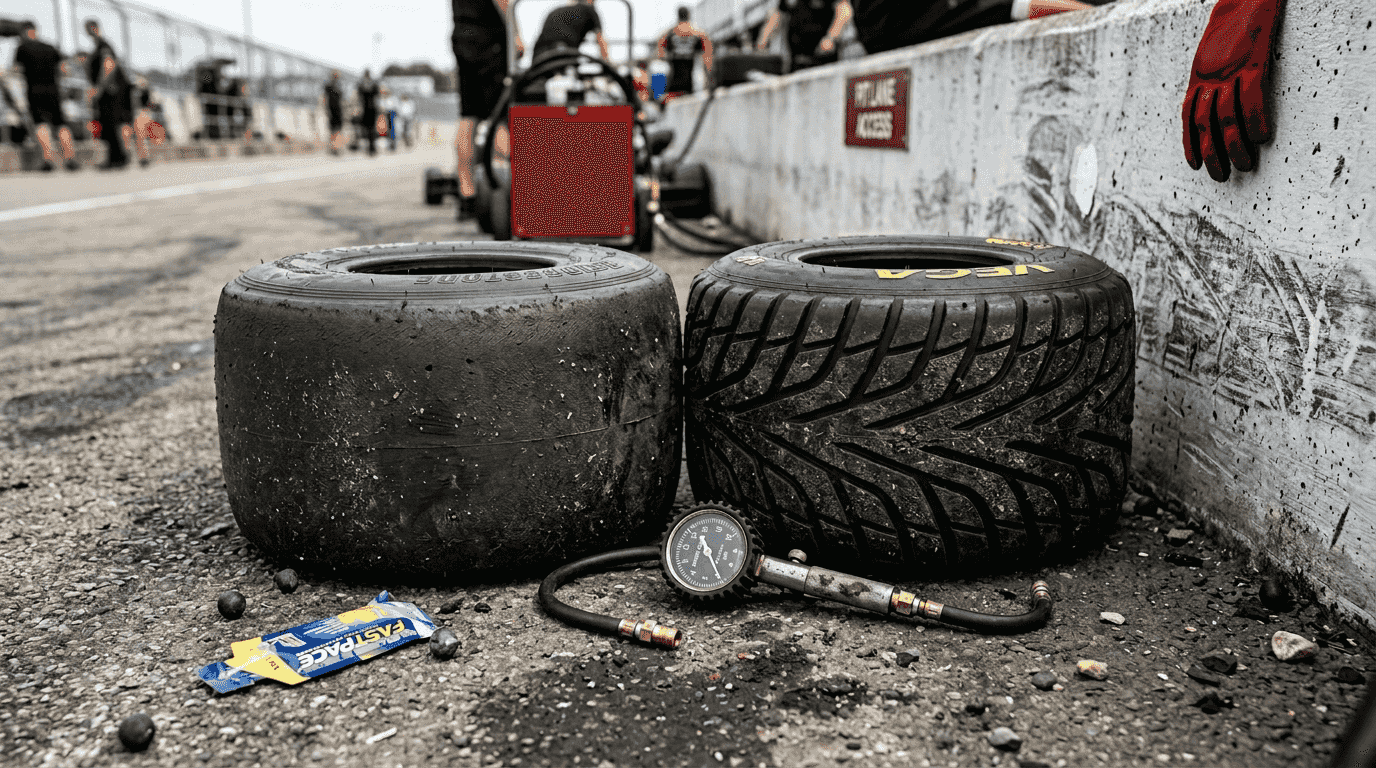
Treaded tires incorporate grooves, channels, and patterns that evacuate water and debris from the contact patch, maintaining grip when surfaces become wet or slippery. These designs improve wet condition stability by preventing hydroplaning and channeling moisture away from the rubber. Rain tires feature deeper, more aggressive tread patterns than intermediate designs, which use shallower grooves for damp or drying track conditions. Understanding when to switch between slick and treaded options can mean the difference between confident handling and dangerous sliding.
| Tire Type | Best Conditions | Key Advantages | Limitations |
|---|---|---|---|
| Slick | Dry, clean tracks | Maximum grip and speed | Dangerous when wet |
| Intermediate | Damp or drying surfaces | Balanced wet/dry performance | Compromises pure speed |
| Rain | Wet, standing water | Prevents hydroplaning | Slower on dry pavement |
Assessing track conditions before selecting tire tread type requires systematic evaluation and weather monitoring. Follow these steps to make informed decisions:
- Check weather forecasts for precipitation timing and intensity several hours before your session.
- Inspect the track surface for standing water, damp patches, or debris that could affect grip.
- Observe other karts during warm-up laps to see how different tire choices perform.
- Consider temperature trends, as cooling conditions may bring moisture even without rain.
- Have backup tire sets ready to switch quickly if conditions change during your event.
Pro Tip: Keep a set of intermediate tires mounted on spare wheels for rapid changes when weather becomes unpredictable. Swapping complete wheel assemblies takes minutes compared to mounting new tires, giving you a competitive advantage when conditions shift.
When choosing go-kart tires for conditions, prioritize safety over speed if you are uncertain about grip levels. Running slicks on even slightly damp surfaces dramatically increases spin and crash risk. Understanding go-kart safety and tire types helps you make responsible choices that protect you and other drivers while maintaining competitive performance.
Diagnosing tire wear and optimizing maintenance for longer performance
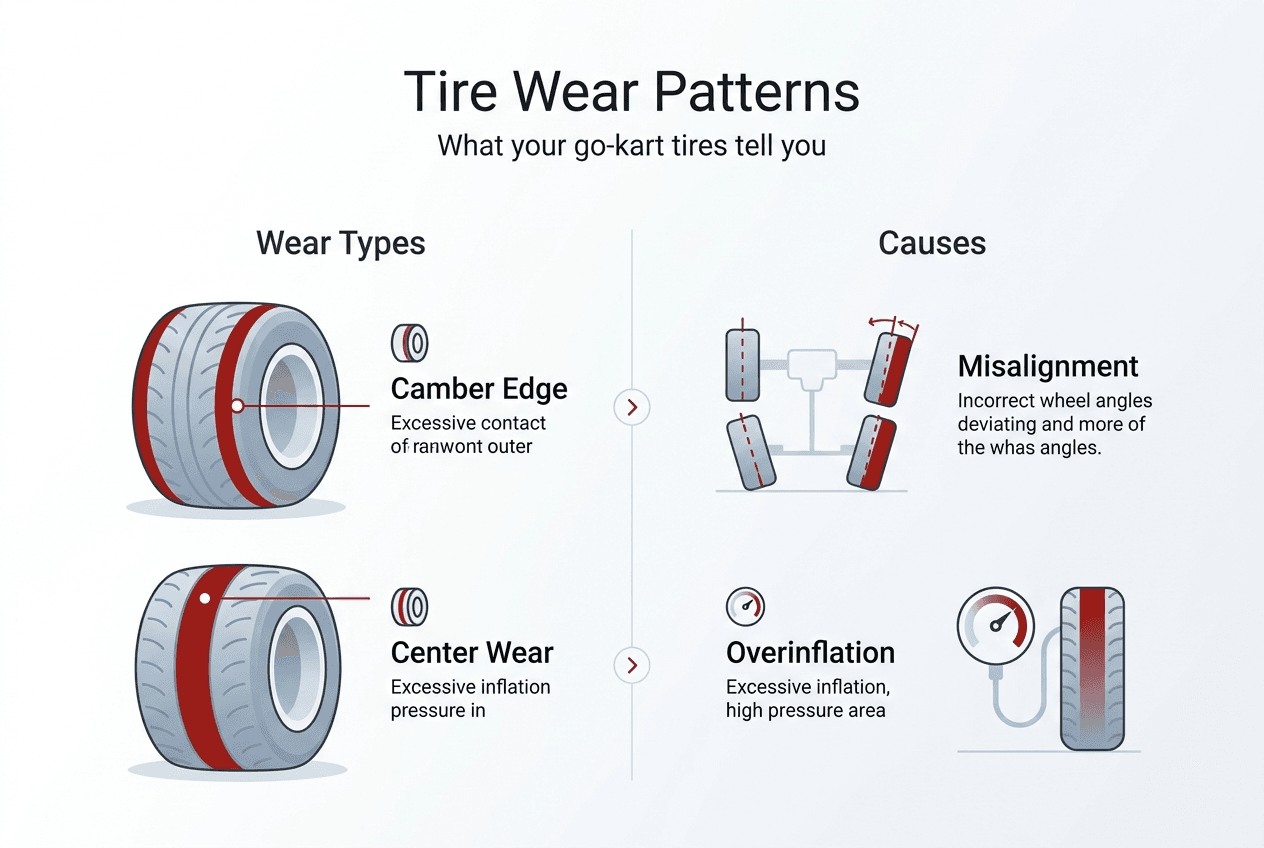
Tire wear patterns reveal critical information about your kart’s setup, alignment, and operating conditions. Uneven wear across the tire surface indicates problems that reduce performance and shorten tire life. Inner edge wear suggests excessive negative camber or low tire pressure, while outer edge wear points to positive camber or overinflation. Center wear indicates overinflation, and edge wear on both sides suggests underinflation. Identifying these patterns early allows you to correct setup issues before they cause handling problems or premature tire failure.
Pyrometers provide precise temperature data that helps optimize alignment and pressure settings for peak performance. The fastest kart has tires in their peak operating window, not necessarily brand new rubber. Measuring inner, middle, and outer tire temperatures immediately after hot laps reveals whether your setup distributes load evenly across the contact patch. Ideal temperature spreads show minimal variation between zones, typically within 5 to 10 degrees Fahrenheit. Larger temperature differences indicate camber or pressure adjustments are needed to balance tire loading and maximize grip.
Regular inspection routines catch developing problems before they compromise safety or performance:
- Check tire pressure before every session using an accurate gauge, adjusting for temperature changes
- Inspect tread depth and surface condition for cuts, chunking, or excessive wear
- Look for bulges, cracks, or sidewall damage that could lead to sudden failure
- Monitor tire temperatures during and after sessions to identify overheating issues
- Rotate tires periodically to equalize wear patterns across all four corners
New tires often feel less grippy than properly heat-cycled rubber because the compound needs several heat cycles to reach optimal performance. Breaking in new tires with moderate driving for the first few laps allows the surface to scrub in and the compound to stabilize. Pushing too hard on brand new rubber can glaze the surface or cause uneven initial wear that affects long-term performance.
Pro Tip: Record tire pressures and temperatures in a detailed log with track conditions and lap times. This data helps you identify ideal pressure ranges for different compounds and weather, speeding up setup at future events.
Proper go-kart maintenance tips extend tire life and preserve performance between sessions. Clean tires after each use to remove debris and track rubber buildup that can affect grip. Store tires in a cool, dark location away from direct sunlight and ozone sources that degrade rubber compounds. Following go-kart beginner maintenance practices ensures your entire kart stays race-ready. Investing in go-kart accessories for tire care like pressure gauges, pyrometers, and tire warmers helps you maintain consistent performance and maximize your tire investment.
Choosing the right tires for your go-kart type and use
Matching tire specifications to your specific kart model and intended use ensures optimal performance and value. Racing karts designed for competitive events demand soft performance tires that prioritize grip and speed over longevity, delivering the aggressive traction needed for fast lap times and responsive handling. These karts benefit from compound choices that maximize cornering force even if tire life suffers. Sprint racing typically uses the softest available compounds, accepting frequent tire changes as the cost of competitive performance.
Recreational and endurance karts require different priorities, favoring durable tires that fit recreational and endurance needs with medium to hard compounds that deliver consistent performance over extended sessions. These applications value predictable handling and long service life over outright speed, making harder rubber formulations more practical and economical. Endurance racing especially benefits from tires that maintain steady grip characteristics as they wear, avoiding the performance cliff that soft compounds experience.
| Kart Type | Recommended Tire | Primary Benefit | Typical Lifespan |
|---|---|---|---|
| Sprint racing | Soft slicks | Maximum grip and speed | 80 to 120 laps |
| Endurance racing | Medium compounds | Consistent long-term performance | 150 to 200 laps |
| Recreational | Medium to hard | Durability and value | 180 to 250 laps |
| Rental fleet | Hard compounds | Extended service life | 200+ laps |
Consider these factors when selecting tires for your specific situation:
- Engine power and torque output affect how quickly tires wear and heat
- Track length and layout influence tire stress and degradation rates
- Session duration determines whether durability or peak grip matters more
- Budget availability impacts how often you can afford tire replacements
- Skill level affects how efficiently you use tire grip and manage wear
Understanding go-kart types and tire options helps you match rubber to your vehicle’s capabilities. Off-road and recreational karts often need specialized tire designs that differ from track-focused racing rubber. Proper go-kart tire inner tubes support tire integrity and maintain correct pressure for optimal performance. Vehicles like the off-road go-kart require rugged tire construction that handles varied terrain and impacts that would damage softer racing compounds.
Explore quality go-karts and accessories at GoKarts USA®
Applying tire knowledge effectively requires quality equipment that supports your karting goals. GoKarts USA® offers an extensive selection of go-karts, replacement parts, and performance accessories designed for enthusiasts at every skill level. Whether you need a reliable recreational kart for family fun or a competitive machine for serious racing, the product range covers diverse needs with trusted brands and proven designs.
Explore options like the mini sport kids ATV 110cc gas engine for young riders developing their skills, or the trailmaster storm minibike 196cc for compact performance. Essential components like pocket bike footpegs and other accessories help you maintain and upgrade your vehicle for enhanced safety and enjoyment. Expert support assists with product selection, ensuring you find solutions that match your specific requirements and budget.
Frequently asked questions about go-kart tires
How often should I replace go-kart tires based on usage?
Replacement frequency depends on compound type and driving intensity. Soft racing tires typically need changing every 80 to 120 laps, while medium compounds last 150 to 200 laps. Hard recreational tires can exceed 200 laps before performance degrades noticeably. Monitor tread depth and grip levels rather than relying solely on lap counts.
What signs indicate uneven tire wear or alignment problems?
Excessive wear on inner or outer tire edges suggests camber misalignment, while center wear indicates overinflation. Feathering or scalloped patterns point to toe alignment issues. Temperature differences exceeding 10 degrees between inner, middle, and outer tire zones confirm uneven load distribution requiring setup adjustment.
Are soft compound tires always better for racing karts?
Soft compounds provide maximum grip for sprint racing but wear too quickly for endurance events. Track temperature, surface abrasiveness, and session length influence optimal compound choice. Some tracks with smooth surfaces or cooler conditions perform better with medium compounds that maintain consistency without overheating.
Can I use slick tires if the track is slightly wet?
No, slick tires become dangerously unpredictable on any wet surface. Even light moisture creates hydroplaning risk and eliminates grip advantages. Switch to intermediate or rain tires when any dampness appears. Following go-kart post-operation inspection procedures helps identify tire condition issues before they become safety hazards.
What is the best way to store tires to extend their life?
Store tires in a cool, dark location away from direct sunlight, ozone sources, and temperature extremes. Keep them off concrete floors using tire racks or wooden pallets. Bag mounted tires to prevent moisture exposure. Avoid stacking unmounted tires more than four high to prevent sidewall deformation. Proper storage preserves rubber compounds and prevents premature aging.