




TL;DR:
- A recreational vehicle buying guide helps match the right RV type, budget, and financing to your travel needs.
- Owning an RV involves annual costs of $5,000 to $15,000 beyond the purchase price, including maintenance and storage.
A recreational vehicle buying guide is defined as a structured framework for matching the right RV type, budget, and financing plan to your actual travel lifestyle. Buying an RV is one of the largest purchases most families make outside of a home, and the stakes are high. First-year ownership costs run 25–40% of the purchase price beyond the sticker price alone. That number changes everything about how you should plan. This guide walks you through every critical decision, from choosing the right vehicle class to locking in the best loan terms, so you buy with confidence and zero regret.
What does a recreational vehicle buying guide actually cover?
A solid RV purchase strategy covers five areas: vehicle type, total budget, new versus used condition, financing, and pre-purchase inspection. Miss any one of these and you risk buying the wrong rig at the wrong price with hidden repair costs waiting on the other side of the deal. The industry term for the broader category is “motorized or towable recreational vehicle,” and understanding that distinction shapes every decision that follows.
The RV market splits into two main families: motorhomes and towables. Motorhomes are self-propelled and come in three classes. Class A motorhomes are the largest, bus-style units built for full-time or extended travel. Class B motorhomes are van conversions, compact and easy to drive, ideal for couples or solo travelers. Class C motorhomes sit in the middle, built on a truck chassis with an over-cab sleeping area, and they work well for families who want space without the intimidation of a Class A. Towables include travel trailers, fifth wheels, and pop-up campers, all pulled by a separate tow vehicle you already own or plan to buy.
Matching the right category to your travel style is the first and most consequential decision in the entire process. A family doing weekend campground trips has completely different needs than a retired couple planning a year-long cross-country trip. Get this step right, and everything downstream gets easier.
How do you choose the right RV type for your travel style?
Your travel intentions determine your RV class more than any other factor. Ask yourself three questions before you look at a single listing: How often will you travel? How many people need to sleep comfortably? And how confident are you towing or driving a large vehicle?
- Weekend warriors do best with a travel trailer or Class C motorhome. Both offer enough space for a family of four without requiring a commercial driver’s license or special training.
- Extended travelers (two to six weeks per trip) benefit from a fifth wheel or Class A motorhome, where kitchen workflow and sleeping comfort matter more than compact size.
- Full-timers need a Class A or large fifth wheel with residential-grade amenities, strong insulation, and reliable mechanical systems.
Floorplan functionality matters more than brand name in almost every case. A comfortable bed, efficient kitchen layout, and good seating area deliver more daily satisfaction than a prestigious badge on the exterior. This is especially true for retirees and families who spend significant time inside the vehicle.
Towing capacity is a hard technical constraint, not a preference. GVWR and loaded weight must match your tow vehicle’s rated capacity, accounting for water, propane, gear, and supplies. Dry weight figures on spec sheets are almost always lower than real-world loaded weights. Check the Gross Vehicle Weight Rating before you fall in love with any towable unit. A detailed breakdown of each RV class is available in this guide to RV types from Gokartsusa.
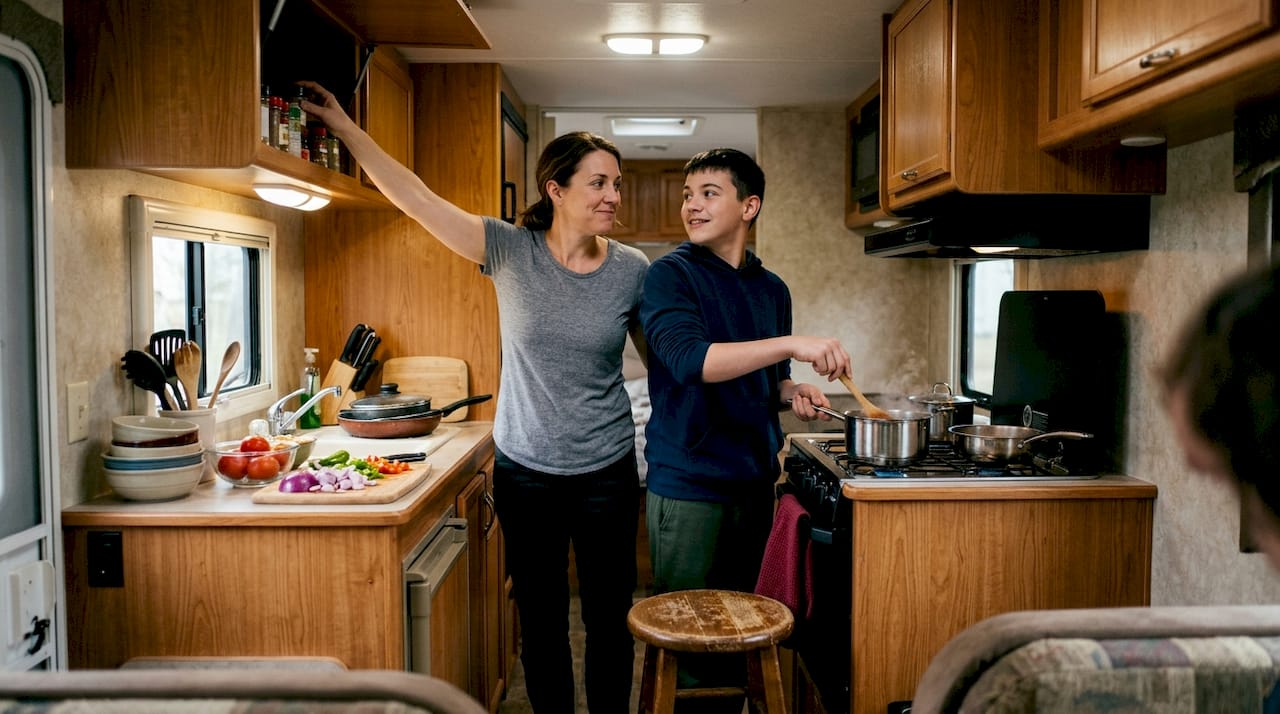
Pro Tip: Walk through the RV as if you are actually living in it. Open every cabinet, sit on the dinette, lie on the bed, and stand at the stove. If anything feels cramped or awkward in the showroom, it will feel worse on the road.
What does RV ownership actually cost beyond the purchase price?
The sticker price is the beginning of the financial conversation, not the end. Total annual ownership costs add $5,000 to $15,000 per year beyond the purchase price, depending on the vehicle size and how often you use it.
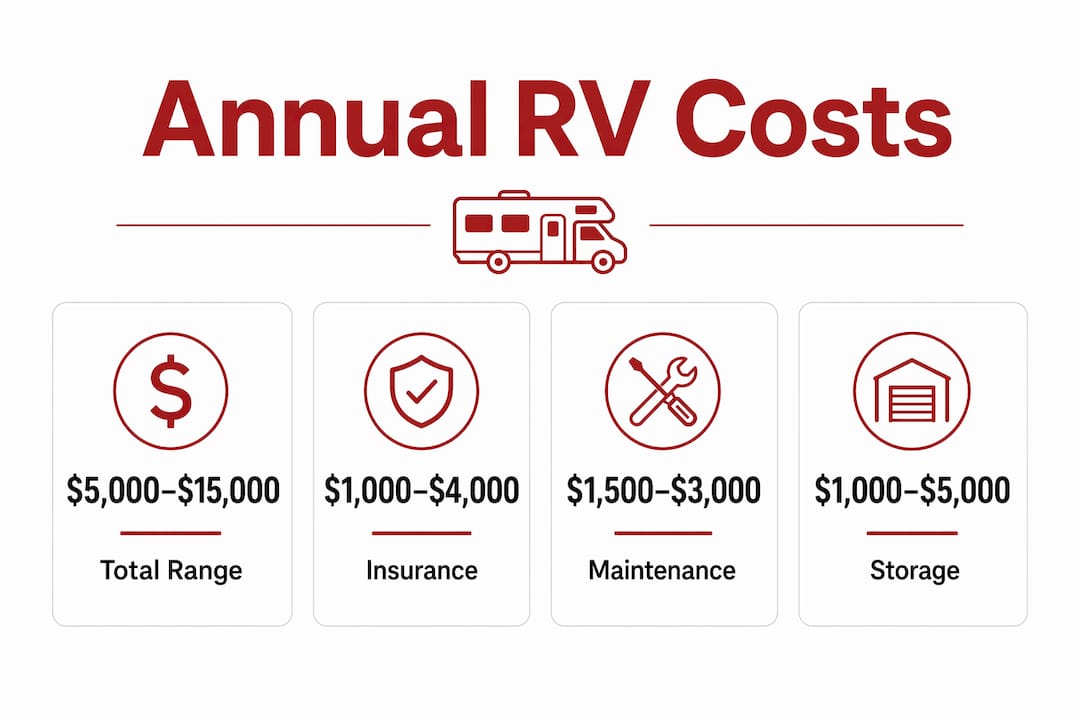
| Cost Category | Typical Annual Range | Notes |
|---|---|---|
| Insurance | $1,000–$4,000 | Varies by class, usage, and coverage level |
| Storage | $600–$3,600 | $50–$300 per month depending on region |
| Maintenance | 2–4% of RV value | Higher for older or high-mileage units |
| Campground fees | $1,080–$3,650+ | $30–$100+ per night, varies by location |
Maintenance deserves special attention because buyers consistently underestimate it. A $60,000 Class C motorhome carries a maintenance budget of $1,200 to $2,400 per year at the 2–4% rule. That covers tire rotations, roof seal inspections, generator service, and brake checks. Skipping maintenance to save money in year one almost always produces a larger repair bill in year two. Gokartsusa covers the fundamentals of keeping powersports vehicles road-ready in this powersports maintenance guide.
Budget discipline from the start prevents buyer’s remorse caused by ignored ongoing expenses. Set a total annual ownership budget before you set a purchase price ceiling. Work backward from what you can afford per year, subtract ongoing costs, and the remainder tells you what you can responsibly spend on the vehicle itself.
Pro Tip: The best time to buy is in fall, when sellers discount prices to avoid paying winter storage costs. Demand peaks in spring, so shopping off-season puts negotiating power firmly in your hands.
New vs. used RV: which one is the smarter buy?
New and used RVs each carry real advantages and real risks. The right choice depends on your budget, risk tolerance, and how much time you want to spend on early maintenance.
Advantages of buying new
- Full manufacturer warranty, typically one to two years on the structure and appliances
- No hidden maintenance history to investigate
- Current model features, including updated safety systems and energy efficiency
- Dealer financing packages that can simplify the purchase process
Risks of buying new
- Significant depreciation in the first year, similar to a new car
- Higher purchase price means higher loan amounts and longer repayment terms
- First-year quality issues are common across the industry; new does not mean perfect
Advantages of buying used
- Lower purchase price reduces loan size and total interest paid
- Previous owner has absorbed the steepest depreciation curve
- Maintenance history (when available) reveals real-world reliability
Risks of buying used
- No warranty coverage on most private sales
- Hidden water damage, delamination, or mechanical issues can cost thousands to repair
- Older units may lack modern safety or comfort features
A professional RV inspection costs $150–$400 and is non-negotiable on any used purchase. The inspector checks roof seals, slide-out mechanisms, electrical systems, plumbing, and appliances. That fee is the cheapest insurance you can buy before signing a purchase agreement.
How does RV financing work, and what credit score do you need?
RV financing works similarly to auto lending but with longer terms and stricter credit requirements. Most RV lenders prefer a credit score of 660 or higher for the best interest rates and loan terms. Buyers with scores between 550 and 659 can still get approved, but they face higher rates and larger required down payments. Loans for larger RVs can extend up to 20 years, which lowers monthly payments but increases total interest paid significantly.
- Get pre-approved before you shop. Pre-approval gives you a firm budget ceiling and prevents dealers from controlling the financing conversation.
- Compare at least three lenders. Credit unions consistently offer lower rates than dealership financing arms. Banks and online RV lenders are also worth checking.
- Negotiate the purchase price separately from the financing. Dealers sometimes bundle these to obscure the true cost of each.
- Watch for add-on fees. Extended warranties, gap insurance, and dealer prep fees can add thousands to the total financed amount.
Down payments of 10–20% reduce your loan balance and improve your approval odds. A larger down payment also protects you against being “upside down” on the loan if the RV depreciates faster than you pay it down. Seasonal timing matters here too. Buying in fall, when sellers discount to avoid storage costs, gives you a lower purchase price to finance in the first place.
Pro Tip: Ask the dealer for an out-the-door price in writing before discussing monthly payments. Monthly payment framing hides the true cost of add-ons and extended terms.
What should you inspect before buying any RV?
A thorough pre-purchase inspection follows a specific sequence. Skipping steps or rushing the process is how buyers end up with expensive surprises in the first month of ownership.
- Roof and exterior seals first. Inspecting the roof and exterior seals is the single most critical step. Look for delamination, soft spots, and cracks in the caulking around vents, skylights, and slide-out seams. Water damage spreads fast and repairs run into the thousands.
- Interior walls and floors. Press on walls near windows and doors. Soft or spongy areas indicate water intrusion. Check under rugs and around the bathroom for soft flooring.
- All mechanical systems. Start the engine, run the generator, test the air conditioning, heat, water heater, and refrigerator. Every appliance should cycle on and off cleanly.
- Slide-out operation. Extend and retract every slide-out at least twice. Listen for grinding or hesitation, and check the seals around each slide for wear.
- Towing and hitch compatibility. Confirm the hitch class, ball size, and wiring harness match your tow vehicle before you commit to a towable unit.
Hiring a certified RV inspector from the National RV Inspectors Association (NRVIA) gives you an independent, documented condition report. That report is also a negotiating tool. Any deficiency the inspector finds is a line item you can use to reduce the purchase price or require the seller to repair before closing.
For families adding a towable to their setup, understanding transport logistics matters as much as the inspection itself. Gokartsusa covers the key considerations in this RV transport guide.
Key Takeaways
Buying the right RV requires matching vehicle type to travel habits, budgeting for total annual ownership costs of $5,000–$15,000 beyond the sticker price, and completing a professional inspection before any used purchase.
| Point | Details |
|---|---|
| Match RV type to travel style | Class, size, and floorplan should fit your actual trips, not your wishlist. |
| Budget for total ownership costs | Annual expenses add $5,000–$15,000 beyond the purchase price every year. |
| Inspect before you buy | Roof seals and water damage checks are the most critical pre-purchase steps. |
| Secure financing before shopping | Pre-approval with a 660+ credit score gives you the best rates and negotiating power. |
| Buy in fall for better pricing | Sellers discount in fall to avoid storage costs; spring demand drives prices up. |
Why I think most first-time buyers shop in the wrong order
Most buyers start with the RV they want and then figure out the money. That order is backwards, and it causes most of the regret I see from first-time buyers.
The most common expensive mistake is buying based on looks rather than usage needs. A stunning Class A motorhome is genuinely impressive in the showroom. It is also 40 feet long, requires a wide-turn driving technique, and costs $3,000 a year just to store. Buyers who choose it because it looks luxurious and then use it three weekends a year are paying a steep price for a vehicle that sits in a lot.
My honest advice: write down your last five vacations. Where did you go? How many people came? How many nights did you stay? That list tells you exactly what size and class of RV you actually need. A travel trailer or Class C covers the needs of most American families without the complexity or cost of a large motorhome.
Experienced RVers recommend shopping slowly, resisting sales pressure, and asking detailed questions about maintenance history and repair records. Patience is the most underrated skill in this process. The right vehicle at the right price exists. You just have to be willing to wait for it instead of settling for the first unit that excites you.
— Mario
Gokartsusa has the powersports vehicles your family is ready for
The adventure does not stop at the campground. Gokartsusa carries a full lineup of go-karts, ATVs, mini bikes, and dirt bikes built for families who want to make the most of every outdoor trip.

Whether you are shopping for a kids gas go-kart to bring along on your next camping trip or a kids ATV with parental remote start for trail riding near the campsite, Gokartsusa offers competitive pricing, free shipping on select orders, and real customer support from people who love the powersports lifestyle. Browse the full selection at Gokartsusa and find the right ride to go alongside your RV adventure.
FAQ
What credit score do I need to finance an RV?
Most RV lenders require a credit score of 660 or higher for the best loan terms. Buyers with scores between 550 and 659 can qualify but face higher interest rates and larger down payments.
Is it better to buy a new or used RV?
Used RVs offer lower purchase prices and absorbed depreciation, but require a professional inspection. New RVs come with warranties but depreciate quickly in the first year.
When is the best time of year to buy an RV?
Fall is the best time to buy. Sellers discount prices to avoid winter storage costs, and demand is lower than the spring peak, giving buyers more negotiating room.
How much does it cost to own an RV per year?
Total annual ownership costs run $5,000–$15,000 beyond the purchase price, covering insurance, storage, maintenance, and campground fees depending on usage and vehicle size.
What is the most important thing to inspect on a used RV?
The roof and exterior seals are the most critical inspection points. Cracks, delamination, and soft spots indicate water damage that can cause expensive structural repairs if left unaddressed.