




Mini bikes have become a smart investment for families seeking affordable outdoor recreation in 2026. These compact vehicles combine safety, performance, and ease of use, offering both children and adults an exciting way to explore trails and yards. With advancements in electric and gas-powered models, mini bikes deliver reliable, accessible fun without breaking the bank or requiring advanced mechanical skills.
Table of Contents
- Understanding Mini Bikes: Types, Engines, And Power Sources
- Safety And Suitability: Why Mini Bikes Are A Great Choice For Families And Beginners
- Cost, Maintenance, And Environmental Impacts: Choosing The Right Mini Bike For Your Family
- Top Features To Look For When Buying A Mini Bike In 2026
- Explore Top Mini Bikes For Family Fun At GoKarts USA
Key takeaways
| Point | Details |
|---|---|
| Safety improvements | Purpose-built designs have replaced DIY kits, enhancing reliability and safety for all riders. |
| Power options | Choose between gas engines (50cc to 110cc) or electric batteries (36V to 48V) based on needs. |
| Lower maintenance | Electric models eliminate oil changes and spark plug replacements, saving time and money. |
| Environmental benefits | Electric mini bikes produce zero emissions, making them ideal for eco-conscious families. |
| Cost efficiency | Mini bikes offer affordable entry into powersports with manageable ownership expenses. |
Understanding mini bikes: types, engines, and power sources
Choosing between gas and electric mini bikes starts with understanding their mechanical foundations. Gas-powered models typically use 2-stroke or 4-stroke engines ranging from 50cc to 110cc. These engines deliver high top speeds and extended riding sessions without recharging breaks. However, they require regular maintenance including oil changes, spark plug inspections, and fuel mixture management.
Electric mini bikes run on lithium-ion batteries, usually ranging from 36V to 48V. Electric mini bikes offer a compelling alternative due to rising fuel costs and environmental awareness, eliminating kick-starting struggles and gear-shifting anxiety. They provide instant torque from a standstill, delivering smooth acceleration without the rumble or exhaust fumes of gas engines.
Performance characteristics differ significantly between types. Gas models excel in range and raw power, making them suitable for longer trail rides and experienced riders seeking adrenaline. Electric versions shine in controlled environments like backyards or neighborhood streets, offering quieter operation and simpler controls perfect for beginners.
Maintenance demands create clear distinctions. Gas engines need periodic tune-ups, carburetor cleaning, and seasonal winterization. Electric models require basic battery care and occasional brake adjustments. Environmental impact also varies. Gas engines emit exhaust and contribute to noise pollution, while electric models run silently with zero tailpipe emissions.
Here’s a comparison of key specifications:
| Feature | Gas Mini Bikes | Electric Mini Bikes |
|---|---|---|
| Power range | 50cc to 110cc | 36V to 48V |
| Starting method | Pull cord or kick start | Push button |
| Maintenance frequency | Every 10-20 hours | Every 50-100 hours |
| Noise level | 80-95 dB | 50-60 dB |
| Fuel/charging time | Instant refill | 4-8 hours to charge |
Pro Tip: Choose electric mini bikes for ease of use and lower upkeep, especially for novices and children who benefit from simplified controls and worry-free starting.
Safety and suitability: Why mini bikes are a great choice for families and beginners
Modern mini bikes have evolved beyond their DIY origins into purpose-built designs that prioritize safety and reliability. Manufacturers now incorporate tested components, reinforced frames, and standardized safety features rather than cobbled-together parts. This shift dramatically improves predictability and reduces mechanical failures during rides.
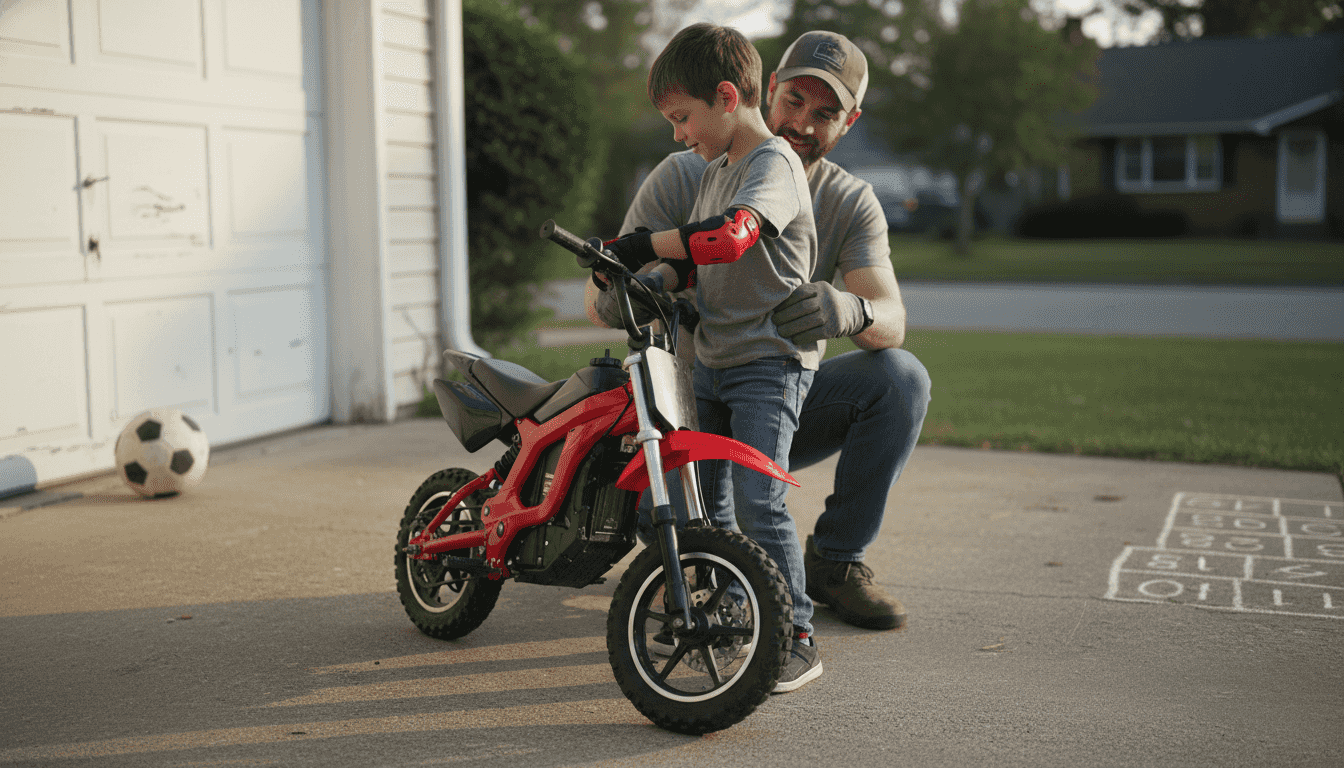
Electric mini bikes are ideal for new riders and children due to their simple controls and quiet operation. Parents appreciate the absence of hot exhaust pipes, pull-start frustrations, and clutch coordination challenges. Push-button starting gets young riders moving quickly, while adjustable speed governors let adults set safe maximum speeds as skills develop.
Safety concerns about powered recreational vehicles deserve attention. Road traffic injuries are the leading cause of death for people aged 5 to 29 years globally. However, mini bikes used in controlled environments like private property, designated trails, or supervised recreational areas offer significant risk reduction compared to public road riding. Proper gear, adult supervision, and gradual skill building create a safer introduction to motorized recreation.
Key safety features to prioritize include:
- Throttle limiters that cap maximum speed for inexperienced riders
- Kill switches that cut power instantly in emergencies
- Reinforced roll cages or protective frames on youth models
- Low seat heights allowing feet-flat stability at stops
- Hydraulic or disc brakes providing reliable stopping power
Beginner-focused designs incorporate features like automatic transmissions, cushioned seats, and ergonomic controls scaled for smaller hands. These thoughtful touches reduce intimidation and build confidence faster. As riders progress, many models allow adjustments or upgrades to match growing abilities.
For families concerned about noise and neighborhood relations, electric models solve complaints before they start. Silent operation lets children practice in yards without disturbing neighbors, while zero emissions mean no air quality concerns during backyard use. These practical advantages make electric mini bikes particularly suitable for suburban families introducing children to motorized recreation.
Pro Tip: Select models with parental remote controls or beginner-friendly speed limits for added family safety, allowing gradual progression as confidence and skills improve.
Cost, maintenance, and environmental impacts: Choosing the right mini bike for your family
Ownership costs extend beyond purchase price into fuel, maintenance, and unexpected repairs. Understanding these ongoing expenses helps families budget realistically and choose models matching their financial comfort level. Gas and electric mini bikes present distinctly different cost profiles over their lifespans.
Gas-powered models demand regular maintenance investments. Oil changes every 10 to 20 hours of operation cost $15 to $30 including supplies. Spark plugs need replacement every 50 hours at $5 to $15 each. Air filters require cleaning or replacement every 20 to 30 hours. Carburetor adjustments, fuel line replacements, and seasonal tune-ups add to the maintenance calendar. Parts availability remains excellent, but labor time adds up for owners lacking mechanical skills.
Electric mini bikes offer lower maintenance compared to gas mini bikes, eliminating oil changes and spark plug replacements. Battery care becomes the primary concern, requiring proper charging habits and occasional replacement after 300 to 500 charge cycles. Replacement batteries range from $150 to $400 depending on capacity. Brake pads, tires, and chain maintenance remain common to both types.
Fuel costs create another consideration. Gas mini bikes consume approximately one gallon per 60 to 100 miles depending on engine size and riding style. At 2026 fuel prices averaging $3.50 per gallon, this translates to roughly $0.04 per mile. Electric models cost about $0.50 to $1.00 per full charge, delivering 15 to 30 miles of range. This works out to approximately $0.02 to $0.03 per mile, offering modest savings over time.
Environmental impacts differ substantially. Electric mini bikes are environmentally friendly due to zero emissions. They produce no tailpipe pollutants, reducing air quality concerns in residential areas and natural spaces. Quiet operation minimizes noise pollution, preserving tranquility in neighborhoods and on trails. Gas models emit carbon dioxide, unburned hydrocarbons, and noise ranging from 80 to 95 decibels.
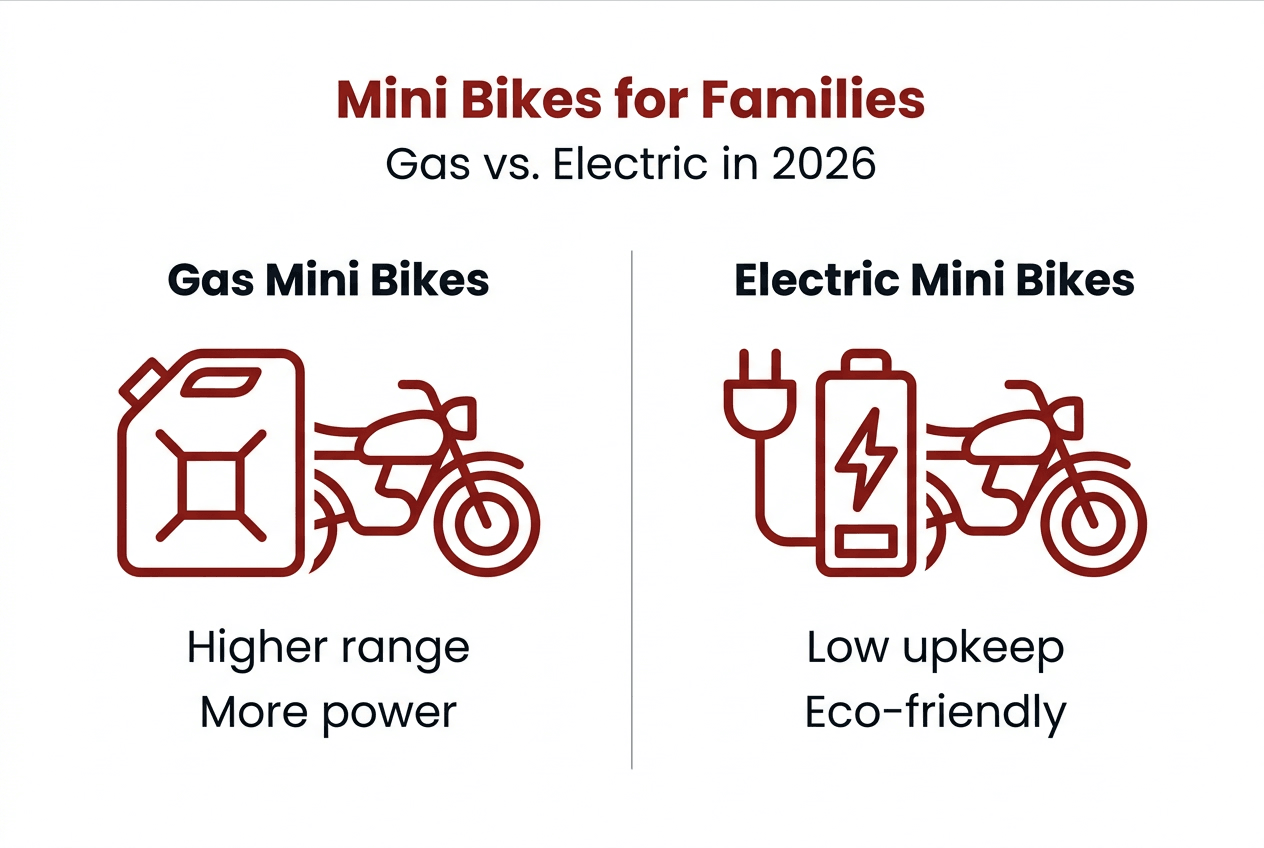
Here’s a detailed cost and impact comparison:
| Factor | Gas Mini Bikes | Electric Mini Bikes |
|---|---|---|
| Purchase price | $400 to $1,200 | $500 to $1,500 |
| Annual fuel/electricity | $50 to $150 | $15 to $40 |
| Annual maintenance | $100 to $250 | $30 to $80 |
| Major service interval | Every 50 hours | Every 200 hours |
| Emissions | Moderate to high | Zero |
| Noise level | High (80-95 dB) | Low (50-60 dB) |
| Battery replacement | N/A | $150 to $400 every 2-4 years |
Total cost of ownership over five years typically ranges from $1,200 to $2,500 for gas models and $1,100 to $2,200 for electric versions. These figures assume moderate recreational use of 50 to 100 hours annually. Heavier use increases maintenance frequency but doesn’t dramatically alter the cost ratio between types.
Maintenance routines differ in complexity and time commitment. Gas engines require mechanical familiarity or willingness to learn basic tasks. Electric models suit owners preferring minimal hands-on involvement, though basic mechanical skills still help with brake and tire maintenance.
Top features to look for when buying a mini bike in 2026
Selecting the right mini bike requires evaluating features against your family’s specific needs, rider experience levels, and intended use scenarios. The 2026 market offers unprecedented variety, but certain attributes separate excellent choices from mediocre ones.
Engine size and type form the foundation. For children ages 6 to 10, 50cc gas engines or 250W to 500W electric motors provide appropriate power. Riders ages 11 to 14 handle 70cc to 90cc gas engines or 500W to 750W electric motors comfortably. Adults and experienced teenagers appreciate 110cc gas engines or 1000W-plus electric motors delivering thrilling performance.
Power delivery, fuel mix requirements, and cooling type matter when choosing a 50cc 2-stroke engine. Two-stroke engines require oil-gas mixture preparation, adding a maintenance step but delivering lighter weight and snappier throttle response. Four-stroke engines run on straight gasoline, offering smoother power and quieter operation at slightly higher weight.
Controls simplicity impacts learning curves significantly. Automatic transmissions eliminate clutch coordination, letting beginners focus on steering and braking. Twist-grip throttles feel intuitive for most riders, while thumb throttles suit smaller hands better. Adjustable handlebars accommodate growing children and varying adult heights.
Safety features deserve careful inspection. Quality models include:
- Reliable braking systems with disc brakes front and rear for consistent stopping
- Kill switches or tether cords that cut power if the rider falls
- Chain guards preventing clothing or fingers from catching in moving parts
- Reinforced frames using steel tubing rather than thin sheet metal
- Adjustable speed governors allowing gradual progression as skills improve
- Adequate suspension travel smoothing bumps and improving control
- Quality tires with appropriate tread patterns for intended terrain
Build quality separates toys from serious recreational vehicles. Welded steel frames outlast bolted assemblies. Sealed bearings resist dirt and moisture better than open bearings. Name-brand engines from established manufacturers ensure parts availability and reliability. Purpose-built designs engineered as complete vehicles provide better integration than converted bicycles or assembled kits.
Consider rider age and experience when evaluating features. Young beginners need lower seat heights allowing both feet flat on the ground at stops. Lightweight models under 50 pounds suit children still developing strength. Experienced riders appreciate responsive handling, higher top speeds, and performance-oriented suspension.
Adult mini bikes require different specifications than youth models. Load capacity matters for heavier riders, with quality frames supporting 200 to 250 pounds safely. Wider seats improve comfort during longer rides. Higher ground clearance prevents scraping on rough terrain.
Market trends in 2026 favor integrated designs over DIY kits. Factory-assembled models arrive ready to ride after minimal setup, with tested components working together reliably. This shift improves safety and reduces frustration compared to earlier kit-based approaches requiring mechanical skills and troubleshooting.
Explore top mini bikes for family fun at GoKarts USA®
Now that you understand what makes an exceptional mini bike, explore the curated selection at GoKarts USA designed specifically for families and hobbyists. Whether you need a starter model for young children or a performance machine for experienced riders, the product lineup includes options matching every skill level and budget. The Mini Sport Kids ATV 110 delivers proven gas-powered performance with safety features parents trust, while the TrailMaster Storm Minibike offers thrilling rides for older kids and adults. Each model includes detailed specifications, multiple images, and transparent pricing to support informed decisions.
FAQ
Are mini bikes safe for children?
Purpose-built mini bikes include multiple safety features designed specifically for young riders, replacing older DIY kits with engineered reliability. Proper adult supervision, appropriate protective gear, and gradual skill development further enhance safety. Starting with speed-limited models in controlled environments creates the safest introduction to motorized recreation.
What maintenance do electric mini bikes require?
Main maintenance involves proper battery charging practices and periodic inspection of brakes, tires, and chain tension. Electric mini bikes eliminate oil changes, spark plug replacements, and other regular engine maintenance tasks. Most owners handle routine care without professional help, making electric models ideal for families preferring minimal mechanical involvement.
How fast can a gas-powered mini bike go?
50cc 2-stroke engines can reach speeds of 30 to 40 mph under optimal conditions, while larger 110cc engines approach 45 to 50 mph. Actual speeds vary based on rider weight, terrain, and maintenance condition. These speeds provide exciting performance while remaining manageable for recreational use across age groups.
Are electric mini bikes better for the environment?
Electric mini bikes produce zero emissions, helping improve air quality in family-friendly environments and natural areas. They operate quietly at 50 to 60 decibels compared to 80 to 95 decibels for gas engines, reducing noise pollution significantly. These characteristics make electric models particularly suitable for suburban neighborhoods and environmentally sensitive recreational areas.