




Contrary to what many parents believe, pit bikes are not inherently dangerous toys. These compact off-road motorcycles are specifically designed with beginner riders and children in mind, featuring adjustable speed limiters, low seat heights, and protective components. This guide will walk you through everything you need to know about pit bikes, from their safety features and engine sizes to practical buying advice and maintenance essentials that keep young riders safe.
Table of Contents
- Introduction To Pit Bikes: What They Are And Where They Came From
- Safety Features That Make Pit Bikes Kid-Friendly
- Matching Engine Size To Rider Age And Skill Level
- Cost And Value: Why Pit Bikes Are An Affordable Introduction To Off-Road Riding
- Common Misconceptions And Pit Bike Realities
- Practical Buying Guide: Choosing Your Child’s First Pit Bike
- Basic Maintenance To Keep Your Pit Bike Safe And Long-Lasting
- Explore Safe Pit Bikes And Accessories At GoKarts USA®
- Frequently Asked Questions
Key takeaways
| Point | Details |
|---|---|
| Pit bikes are beginner-friendly motorcycles | Designed specifically for children and entry-level riders with adjustable safety features. |
| Proper sizing reduces injury risk | Matching engine size to rider age and skill ensures manageable power and control. |
| Affordable entry to powersports | Pit bikes cost $300 to $1,000 compared to $2,000+ for full-sized dirt bikes. |
| Safety gear is non-negotiable | Helmets, gloves, boots, and pads reduce injury severity by over 60%. |
| Regular maintenance extends lifespan | Simple upkeep routines support 5+ years of safe, reliable riding. |
Introduction to pit bikes: what they are and where they came from
Pit bikes are miniature off-road motorcycles originally created for navigating the crowded pit areas at motor racing events. Pit bikes originated as small motorcycles designed for motor racing pits and have commercial production beginning in the late 1990s, making them a relatively recent addition to the recreational powersports market. These compact bikes quickly gained popularity beyond racing circuits as parents and hobbyists recognized their potential as beginner-friendly vehicles.
Today’s pit bikes typically feature engine sizes ranging from 50cc for young children up to 190cc for older teens and adults. The smaller engines deliver manageable power that builds rider confidence without overwhelming beginners. Unlike full-sized dirt bikes that can exceed 250cc and reach speeds over 60 mph, pit bikes cap out around 20 to 35 mph depending on the model.
The design prioritizes accessibility and control. Lower seat heights allow younger riders to plant their feet firmly on the ground, giving them stability when starting and stopping. Simplified controls reduce the learning curve, letting kids focus on basic riding skills rather than complex gear shifting. To learn more about what is a pit bike and its specific features, exploring detailed product specifications helps match riders with appropriate models.
Pit bikes serve as an ideal stepping stone into powersports. Their forgiving nature means new riders develop proper technique and respect for motorized vehicles in a controlled, safer environment before potentially graduating to larger bikes.
Safety features that make pit bikes kid-friendly
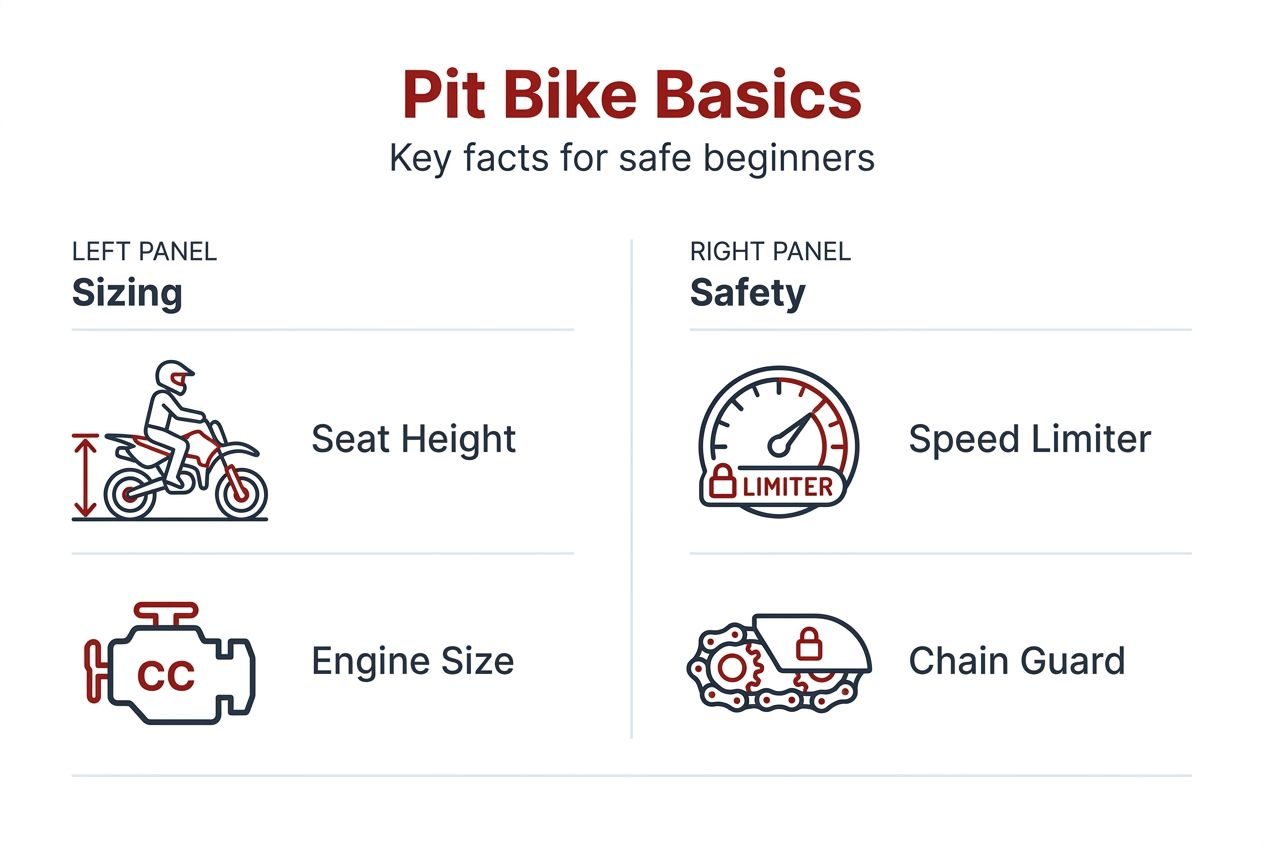
Pit bikes incorporate multiple design elements specifically engineered to protect young and inexperienced riders. The most obvious safety advantage is the low seat height, typically ranging from 22 to 28 inches, which allows children to maintain balance and control. When riders can touch the ground comfortably, they feel more confident and can prevent tip-overs during stops.
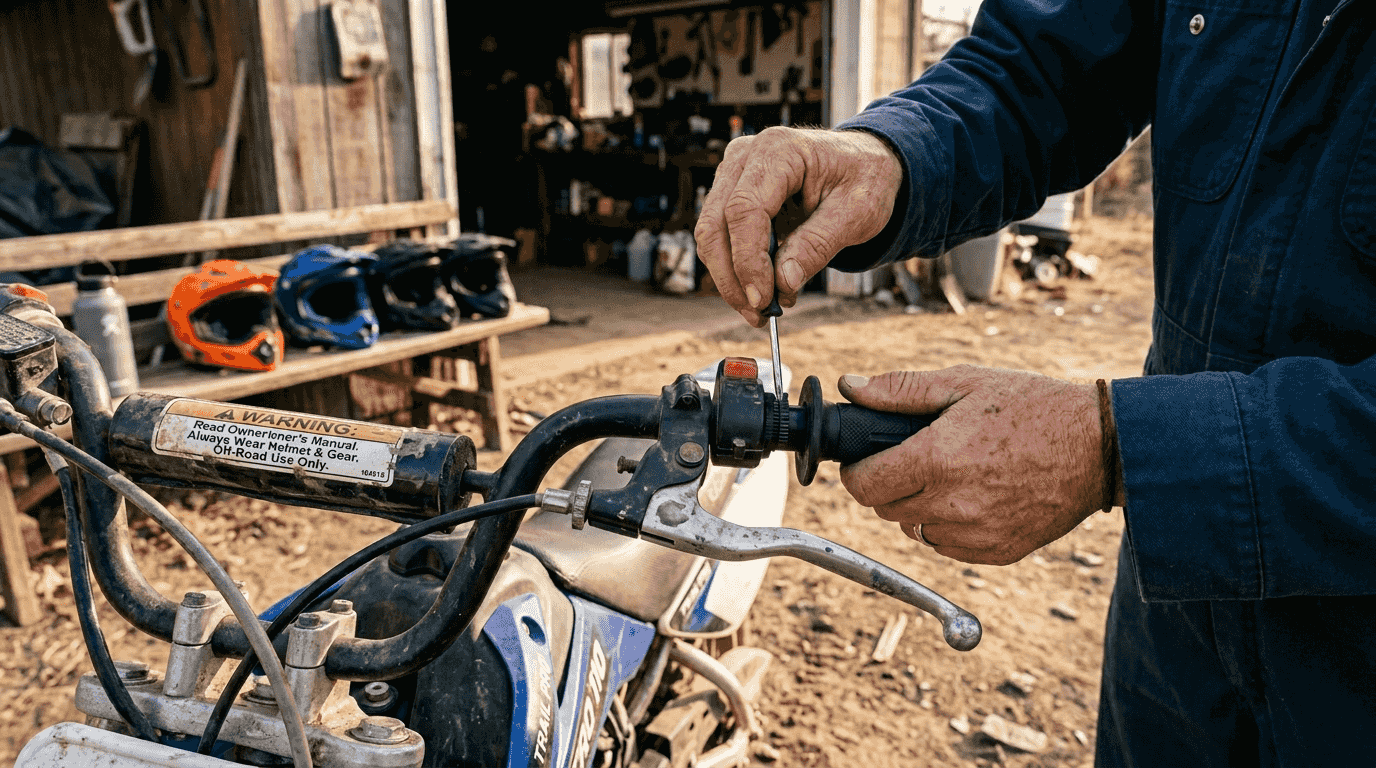
Speed limiters are standard on quality pit bikes designed for children. These adjustable throttle restrictors cap maximum speed around 15 to 20 mph for the smallest models, giving parents direct control over how fast their child can ride. As skills improve, parents can gradually increase the speed ceiling. This progressive approach prevents the overwhelming experience of too much power too soon.
Physical protective features include chain guards that prevent clothing or limbs from catching in moving parts, and rounded edges that minimize injury severity during falls. The smaller overall size means less mass and momentum during accidents, reducing impact forces compared to full-sized motorcycles.
Essential protective gear for every ride:
- DOT-approved helmet specifically sized for the rider
- Heavy-duty gloves with knuckle protection
- Over-the-ankle boots with reinforced toes and heels
- Knee and elbow pads designed for motocross use
- Long sleeves and pants to prevent road rash
Wearing full protective gear reduces injury severity by over 60% in off-road mini biking accidents. This statistic underscores why gear is non-negotiable, regardless of where or how cautiously your child rides. Investing in proper equipment matters as much as selecting the right bike.
Pro Tip: Always buy gear that fits properly now rather than purchasing oversized equipment your child will “grow into.” Loose helmets and baggy pads shift during riding, compromising protection when it matters most.
Parents exploring mini bikes kid-friendly safety features should prioritize models with these built-in protections. Similar considerations apply when evaluating ATV safety for kids, as the same protective principles transfer across powersports vehicles.
Matching engine size to rider age and skill level
Selecting the appropriate engine displacement is the single most important decision for ensuring both safety and enjoyment. An overpowered bike intimidates beginners and creates dangerous situations, while an underpowered model frustrates riders and limits skill development.
Progressive engine sizing guide:
-
50cc engines for ages 4 to 7: These entry-level bikes deliver gentle acceleration perfect for first-time riders. Top speeds typically max out around 15 mph, and the lightweight design (often under 50 pounds) allows young children to handle the bike physically.
-
70cc to 90cc for ages 7 to 10: As coordination improves, slightly more power keeps riding interesting. These models introduce electric start options and better suspension while maintaining manageable performance.
-
110cc for ages 10 to 13: This sweet spot offers enough power for varied terrain without becoming dangerous. Many families find 110cc bikes serve their children for several years as skills advance.
-
125cc and above for teens and adults: Older beginners and smaller adults benefit from these larger engines. Adjustable throttle and suspension features allow pit bikes to accommodate riders from age 10 up to adults about 5’10" tall.
Adjustability extends the useful life of your investment significantly. Quality pit bikes include features like removable throttle limiters, adjustable suspension that accommodates growing weight, and seat height modifications. A well-chosen 110cc bike might serve a child from age 9 through 14, adapting as they grow taller and heavier.
Pro Tip: When in doubt, start smaller. You can always upgrade in a year or two, but starting with too much power can create fear and bad habits that persist long after switching bikes.
Readers choosing engine size for any powersports vehicle benefit from applying these same age and weight considerations. The beginner mini bike guide offers additional detail on matching riders with appropriate models across different vehicle types.
Cost and value: why pit bikes are an affordable introduction to off-road riding
Budget concerns often determine whether families can introduce their children to powersports. Pit bikes solve this problem by delivering genuine off-road capability at a fraction of traditional dirt bike costs. Entry-level models from reputable manufacturers start around $300 to $500, with mid-range options featuring better components running $600 to $1,000.
Compare this to full-sized beginner dirt bikes, which typically start at $2,000 and quickly climb to $4,000 or more for quality models. The price difference is substantial enough that many families simply cannot justify the investment, especially when unsure if their child will maintain interest in the sport.
| Feature | Pit Bike | Full-Sized Dirt Bike |
|---|---|---|
| Typical Price Range | $300 to $1,000 | $2,000 to $4,000+ |
| Engine Size Options | 50cc to 190cc | 125cc to 250cc+ |
| Suitable Age Range | 4 to adult beginners | 10 to experienced adults |
| Maintenance Costs | Lower parts and service costs | Higher specialized components |
| Adjustability for Growth | High with limiters and settings | Limited, sized for specific riders |
The affordability extends beyond purchase price. Pit bike parts cost less, routine maintenance is simpler, and the smaller engines consume less fuel. Insurance requirements are typically minimal or nonexistent for recreational use on private property, unlike full-sized motorcycles that may require coverage even for off-road use.
Adjustable safety features add tremendous value for growing riders. A $700 pit bike that serves a child from age 8 to 14 delivers better cost per year than a $3,000 dirt bike they outgrow in two seasons. Models like the TrailMaster TM11 110cc dirt bike and TrailMaster TM23 125cc dirt bike exemplify this value proposition with quality construction at accessible prices.
Budget-conscious buying does not mean compromising safety. Reputable manufacturers build pit bikes with the same commitment to protective features found in expensive models, just scaled appropriately for the target audience.
Common misconceptions and pit bike realities
Several persistent myths discourage parents from considering pit bikes, despite evidence contradicting these concerns. Addressing these misconceptions directly helps families make informed decisions based on facts rather than fear.
Myth: Pit bikes are too powerful and dangerous for children
Reality: Properly sized pit bikes with speed limiters and appropriate supervision present manageable risks similar to bicycling or skateboarding. Research shows injury rates are lower when children use properly sized pit bikes with supervision compared to unmanaged dirt bikes. The key factors are matching bike to rider and enforcing safety protocols.
Myth: Pit bikes are only for racing or experienced riders
Reality: While competitive pit bike racing exists, the vast majority of owners use these bikes for recreational trail riding and backyard fun. Many models are specifically engineered for first-time riders with features that would frustrate competitive racers but perfectly suit beginners learning basic skills.
Myth: Children will quickly outgrow pit bikes and need expensive upgrades
Reality: Adjustable components allow quality pit bikes to serve riders for five or more years. The 110cc to 125cc range particularly offers longevity, accommodating riders from late elementary school through high school. When children do outgrow their pit bikes, the robust used market helps recoup investment.
Myth: All mini motorcycles are the same quality
Reality: Significant quality differences exist between reputable manufacturers and cheap imports lacking safety certifications. Buying from established retailers ensures parts availability, warranty support, and construction meeting basic safety standards. Understanding mini bike safety realities helps distinguish marketing claims from genuine protective features.
Supervision remains critical regardless of bike quality or rider skill. Even the safest pit bike requires adult oversight, especially during the learning phase. Establishing clear riding areas, enforcing gear requirements, and gradually expanding privileges as skills improve creates the framework for safe, enjoyable experiences.
Practical buying guide: choosing your child’s first pit bike
Navigating the pit bike market requires balancing safety features, appropriate sizing, quality construction, and budget constraints. Following a systematic evaluation process ensures you select a bike that serves your family well.
Key factors to evaluate before purchasing:
-
Adjustable power delivery: Look for models with removable throttle limiters or adjustable carburetors that let you control maximum speed as skills develop.
-
Verifiable safety certifications: Reputable manufacturers provide documentation of safety testing and component certifications, particularly for brakes and throttle systems.
-
Retailer reputation and support: Buy from established dealers offering clear return policies, warranty coverage, and accessible customer service for questions or issues.
-
Parts availability: Ensure common replacement parts like chains, tires, and brake pads are readily available through the manufacturer or aftermarket suppliers.
-
Included safety accessories: Some retailers bundle helmets, gloves, or other protective gear with bike purchases, adding value while ensuring compatibility.
-
Assembly requirements: Determine whether the bike ships fully assembled or requires mechanical assembly, and whether you have the tools and skills needed.
Pro Tip: Test sit your child on display models when possible. They should comfortably reach the ground with both feet flat while seated, with slight knee bend. Too tall is dangerous, too short limits control.
Avoid the temptation to purchase the cheapest available option without researching the manufacturer. Unverified imports may lack proper welds, use substandard brake components, or feature throttles that stick open. The $100 you save upfront becomes irrelevant when facing injury or bike failure.
The beginner mini bike buying guide provides detailed evaluation criteria applicable across powersports vehicles. Similar considerations guide safe pit bike buying tips, emphasizing the importance of matching vehicle capabilities to rider readiness.
Buying during promotional periods often yields the best value. Many retailers offer seasonal sales with free shipping, bundled accessories, or discounted prices that make quality bikes more accessible to budget-conscious families.
Basic maintenance to keep your pit bike safe and long-lasting
Consistent maintenance prevents mechanical failures that compromise safety and extends your bike’s functional life significantly. Most pit bike upkeep requires minimal mechanical knowledge and basic tools, making it accessible for parents to perform with their children.
Essential maintenance schedule:
-
Before every ride: Check tire pressure and visually inspect for obvious damage. Ensure throttle returns to idle smoothly and brakes engage firmly. This two-minute check catches most developing problems.
-
Every 2 to 3 rides: Lubricate the chain with appropriate motorcycle chain lubricant. A properly lubricated chain lasts five times longer than a dry chain and prevents dangerous breakage during riding.
-
Every 5 to 10 hours of riding: Remove and clean the air filter. Clogged filters reduce engine performance and increase fuel consumption. Foam filters simply need washing with soap and water, then re-oiling.
-
Monthly or every 15 hours: Inspect brake pads for wear and adjust cable tension as needed. Check all nuts and bolts for tightness, as vibration gradually loosens fasteners.
-
Seasonally or every 30 hours: Change engine oil and inspect the spark plug. Fresh oil costs just a few dollars and prevents internal engine damage from contaminated lubricant.
Establishing a maintenance logbook helps track completed tasks and identify patterns. Note the date, hours of operation, and work performed. This record proves invaluable when troubleshooting recurring issues or preparing for seasonal storage.
Teaching children basic maintenance builds mechanical understanding and responsibility. Kids as young as eight can learn to check tire pressure and lubricate chains under supervision. These skills transfer to bicycle maintenance, automotive care, and general mechanical aptitude.
Following these routines consistently enables five or more years of reliable, safe operation. Neglected pit bikes deteriorate rapidly, developing safety issues like brake failure or chain breakage that endanger riders. The mini bike maintenance steps guide offers additional detail on specific procedures and troubleshooting common problems.
Explore safe pit bikes and accessories at GoKarts USA®
GoKarts USA® specializes in beginner-friendly powersports vehicles designed specifically for children and recreational riders. Their pit bike selection emphasizes adjustable safety features, appropriate engine sizing, and value pricing that fits family budgets. Models include progressive power options from 50cc starter bikes through 125cc bikes suitable for teens and smaller adults.
Every pit bike features the protective components discussed throughout this guide, including speed limiters, chain guards, and age-appropriate power delivery. The Mini Sport Kids ATV 110cc and Storm 200cc minibike represent the range available, from conservative beginner options to models accommodating more experienced young riders.
Beyond vehicles, GoKarts USA® stocks essential safety gear and maintenance supplies. Their customer support team assists with model selection based on rider age, size, and experience, ensuring families choose appropriate bikes rather than simply the least expensive option. Visit GoKarts USA® to explore current inventory, seasonal promotions, and educational resources supporting safe powersports enjoyment.
Frequently asked questions
What age is appropriate to start riding a pit bike?
Most experts recommend starting around age 4 with a 50cc bike under close supervision. The specific age depends more on the child’s physical coordination, ability to follow safety rules, and emotional maturity than a fixed number. Some cautious six-year-olds are ready while some impulsive eight-year-olds are not.
What protective gear is essential for pit bike riders?
A DOT-approved helmet, heavy-duty gloves, over-the-ankle boots, and knee and elbow pads form the minimum protective equipment. Proper gear such as helmets, gloves, boots, and protective pads significantly reduce injury risk when riding pit bikes. Adding chest protectors and neck braces provides additional safety for aggressive riders tackling challenging terrain.
How often should I perform maintenance on a pit bike?
Check tire pressure and lubricate the chain before every few rides, taking just minutes. Clean the air filter every 5 to 10 hours of operation and change engine oil every 15 to 20 hours. Following the mini bike maintenance steps consistently prevents most mechanical failures and supports years of safe riding.
Can older beginners or adults use pit bikes safely?
Many pit bikes accommodate older beginners and adults up to about 5’10" tall through adjustable components. Adjustable throttle and suspension can accommodate riders from age 10 up to adults around 5’10". Taller or heavier adults should consider 125cc to 190cc models designed for their size, ensuring adequate power and proper ergonomics for comfortable, controlled riding.