




TL;DR:
- Vehicle performance measures how well a vehicle accelerates, handles corners, brakes, and responds to driver inputs.
- It depends on standardized metrics such as wheel horsepower, torque, G-force, and braking distance, which reveal different aspects of performance.
Vehicle performance is defined as the integrated measure of how well a vehicle accelerates, handles corners, brakes, and responds to driver input across its core mechanical systems. The industry standard term is “automotive performance,” and it covers everything from wheel horsepower and torque to lateral G-force and braking distance. Standards like SAE J2944 establish how these metrics are measured, giving enthusiasts and engineers a shared language. Whether you’re shopping for your next ride, tuning what you already own, or simply want to understand what those spec sheet numbers actually mean, knowing how performance works puts you in the driver’s seat.
What are the key metrics that define vehicle performance?
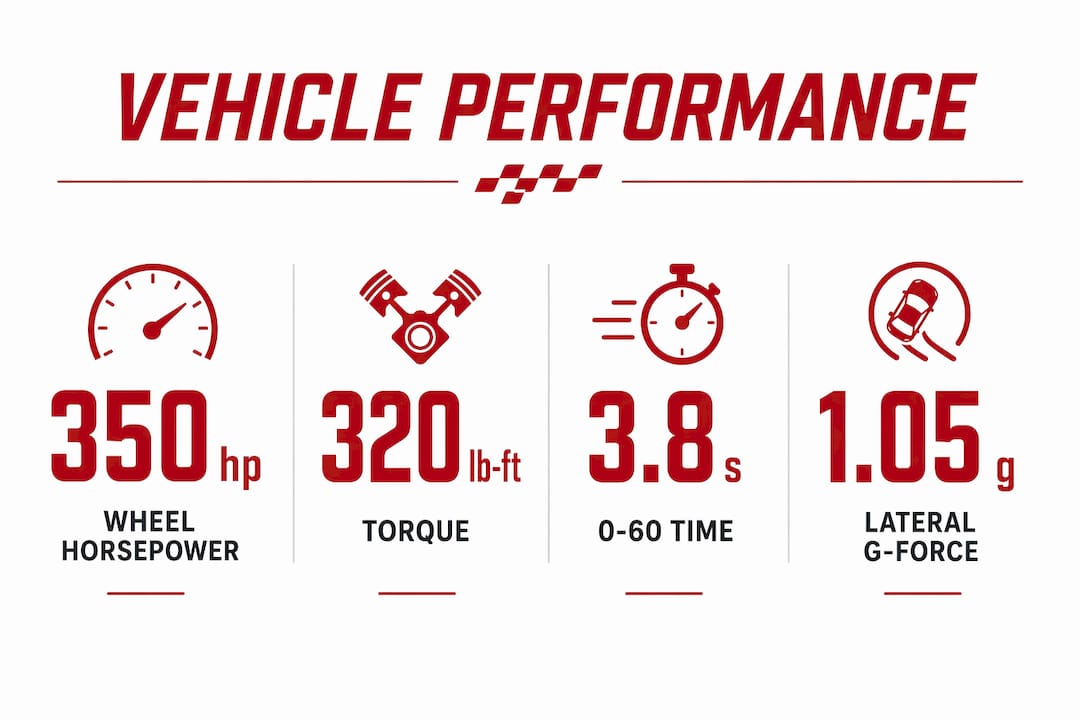
Vehicle performance is measured through a set of specific, standardized metrics, not just a single number on a sticker. SAE J2944 defines the common measurements professionals use: acceleration, torque, lateral G-force, and braking distance. Each metric tells a different part of the story.
Wheel horsepower vs. brake horsepower is one of the most misunderstood distinctions in automotive performance. Brake horsepower (BHP) is measured at the engine crankshaft. Wheel horsepower (WHP) is what actually reaches the pavement. Drivetrain losses range from 10% to 25% of engine output. That means a car rated at 300 BHP might deliver only 225–270 WHP to the wheels. WHP is the number that actually moves you forward.
Torque is the rotational force the engine produces. High torque at low RPM means strong pull from a stop and confident passing power on the highway. Sports cars often prioritize peak torque in the mid-range RPM band for the most usable acceleration feel.
0–60 mph time is the most widely cited acceleration benchmark. It captures how quickly a vehicle can sprint from a standstill, combining engine output, drivetrain efficiency, tire grip, and launch control into one number. A sub-4-second 0–60 time places a vehicle firmly in sports car territory.
Lateral G-force measures cornering grip. One G means the car generates a sideways force equal to its own weight through a corner. Most performance sedans generate 0.85–0.95 G, while dedicated sports cars like the Porsche 911 exceed 1.0 G on a skidpad.
Braking distance is both a performance and a safety metric. It measures how far a vehicle travels from a set speed, typically 60 mph, to a full stop. Shorter braking distances reflect better brake hardware, tire compound, and weight distribution.
| Metric | What it measures | Higher value means |
|---|---|---|
| Wheel horsepower | Power at the wheels | Faster acceleration potential |
| Torque | Rotational engine force | Stronger pull and responsiveness |
| 0–60 mph time | Acceleration from rest | Lower number = quicker sprint |
| Lateral G-force | Cornering grip | Better handling and stability |
| Braking distance | Stopping capability | Shorter distance = safer, sharper stop |
Pro Tip: Always compare wheel horsepower figures when evaluating two vehicles. Brake horsepower ratings from different manufacturers use different test conditions, making direct comparisons unreliable.
How do vehicle design and maintenance influence performance?
A vehicle’s physical design sets the ceiling for its performance potential. Curb weight is one of the biggest factors. A lighter car accelerates faster, brakes shorter, and changes direction more easily than a heavier one with the same engine output. Unsprung mass, the weight of wheels, tires, and suspension components not supported by the springs, directly affects how quickly the suspension responds to road surface changes. Heavy unsprung mass dulls handling and reduces tire contact consistency.
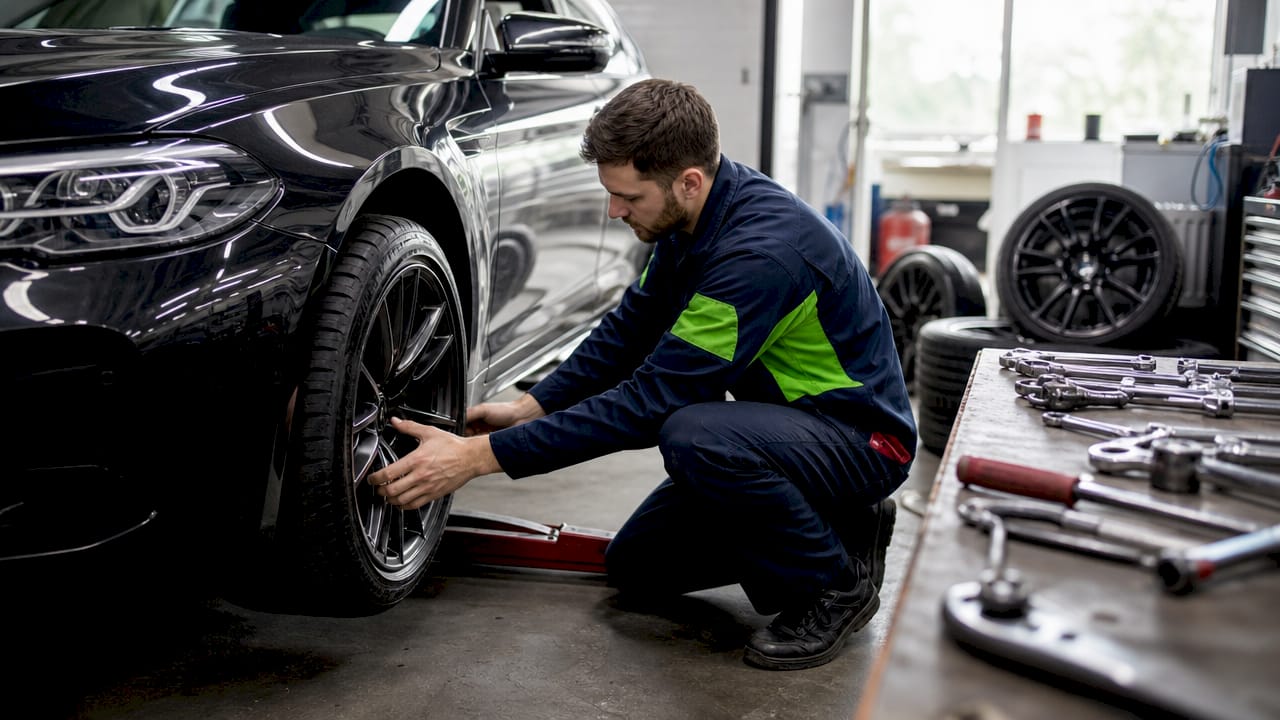
Tire choice is the single most direct connection between your vehicle’s power and the road. The best engine in the world is useless if the tires cannot translate that power into forward motion. Tires affect acceleration grip, cornering stability, and braking distance simultaneously. Switching from all-season tires to a performance compound can sharpen all three without touching the engine.
Drivetrain configuration also shapes real-world performance. All-wheel drive (AWD) vehicles distribute power to all four wheels, improving traction in corners and during acceleration. Rear-wheel drive (RWD) setups offer a more direct feel and are preferred in performance driving for their balance. Front-wheel drive (FWD) vehicles are efficient but can understeer under hard cornering loads.
Maintenance is the most overlooked factor in understanding vehicle performance. Worn spark plugs cause misfires that rob power. A clogged air filter starves the engine of oxygen. Low-quality fuel leaves deposits that reduce combustion efficiency. Replacing spark plugs, cleaning or swapping the air filter, and using the manufacturer-recommended fuel grade can restore lost performance more cost-effectively than most hardware upgrades. Gokartsusa’s own ATV maintenance guide reinforces this principle across all powersports vehicles.
Pro Tip: Before spending money on performance parts, check your tire pressure. Under-inflated tires increase rolling resistance, reduce cornering grip, and extend braking distances. It’s a free fix with real results.
What practical modifications can reliably improve car performance?
The most effective modifications address the weakest link in your vehicle’s performance chain, not just the most exciting one. High-performance tires are the most effective single modification for improving acceleration, cornering, and braking. They cost less than most engine modifications and deliver gains you feel immediately in every drive.
Before any modification, a full vehicle health check is non-negotiable. Tuning an unhealthy car can cause failures, while a healthy engine maximizes gains from every upgrade. Check compression, inspect belts and hoses, confirm fluid levels, and address any fault codes before spending money on performance parts.
For turbocharged vehicles, a Stage 1 ECU remap is one of the best value upgrades available. A professional remap adjusts fuel injection timing, ignition timing, boost pressure, and throttle mapping to reclaim power the factory restricted for emissions or market positioning. ECU remaps can unlock 10–20% more power on turbocharged engines when done professionally. That is a meaningful gain without touching a single physical component.
Suspension and brake upgrades improve how the car uses its existing power. Stiffer springs and upgraded dampers reduce body roll and sharpen turn-in response. Larger brake rotors and performance pads shorten stopping distances and resist fade during repeated hard stops. These upgrades make the car feel faster even without adding a single horsepower.
A prioritized upgrade list for enthusiasts starting out:
- Replace tires with a performance compound suited to your driving style
- Complete a full vehicle health check and address any mechanical issues
- Upgrade brake pads to a performance compound for better feel and fade resistance
- Install a performance air intake to improve airflow to the engine
- Consider a Stage 1 ECU remap if your vehicle is turbocharged and in good health
- Upgrade suspension components after tires and brakes are sorted
Pro Tip: Avoid oversized aftermarket wheels. Heavy aftermarket wheels increase unsprung mass and can actually reduce handling quality and ride comfort, negating any visual appeal with real performance costs.
For more on go-kart and powersports upgrades, Gokartsusa’s performance upgrade guide covers the same principles applied to smaller, high-fun vehicles.
How do real-world driving conditions affect performance?
Peak specifications describe what a vehicle can do under ideal conditions. Real-world performance is what you actually experience on your commute, on a mountain road, or at a track day. The gap between the two is where most drivers live.
Usable power delivery and predictable response matter more than headline horsepower in real driving conditions. A 500-horsepower car that delivers its power in a narrow RPM band is harder to drive fast than a 350-horsepower car with broad, linear torque. Confidence and predictability are performance attributes just as much as raw numbers.
Driving environment shapes what performance traits you actually need. Highway cruising rewards strong mid-range torque, fuel efficiency, and stability at speed. Urban driving rewards low-end torque, tight turning radius, and responsive braking. Track driving rewards cornering grip, brake endurance, and power delivery consistency. Comparing vehicles effectively requires assessing horsepower, torque, curb weight, and wheelbase together, not any single figure in isolation.
| Driving scenario | Key performance priority | Vehicle trait to prioritize |
|---|---|---|
| Highway cruising | Stability and efficiency | Strong mid-range torque, aerodynamics |
| Urban commuting | Responsiveness and agility | Low-end torque, short wheelbase |
| Mountain roads | Cornering and braking | High lateral G, short braking distance |
| Track days | Sustained performance | Brake endurance, consistent power delivery |
Driving habits also change performance needs over time. Aggressive driving wears tires and brakes faster, requiring more frequent maintenance to keep performance consistent. Smooth, deliberate inputs preserve tire life and keep braking distances predictable. The best performance setup is one matched to how and where you actually drive.
Key takeaways
Vehicle performance is the combined result of powertrain output, chassis design, tire quality, and maintenance discipline, not any single metric or modification.
| Point | Details |
|---|---|
| Wheel horsepower is what matters | Drivetrain losses reduce engine output by 10–25% before power reaches the road. |
| Tires are the highest-impact upgrade | Performance tires improve acceleration, cornering, and braking simultaneously. |
| Maintenance restores lost performance | Spark plugs, air filters, and quality fuel recover efficiency before any hardware mod. |
| Health check before tuning | A Stage 1 ECU remap on a healthy turbocharged engine safely unlocks 10–20% more power. |
| Match setup to driving environment | Highway, urban, and track driving each demand different performance priorities. |
Why real-world feel beats the spec sheet every time
The spec sheet is a starting point, not the finish line. I’ve seen enthusiasts chase horsepower numbers while ignoring the tires that were three years old and the air filter that hadn’t been touched since the car was new. The result is a car that looks impressive on paper and feels sluggish on the road.
The most satisfying vehicles I’ve driven weren’t the ones with the highest peak power. They were the ones where every input felt connected and confident. Balanced suspension, fresh tires with the right compound, and a healthy engine make a 250-horsepower car feel faster than a neglected 400-horsepower one. That balance is what real vehicle performance actually means.
One misconception I see constantly is the belief that bigger wheels equal better performance. Oversized wheels look aggressive, but they add unsprung mass that dulls the suspension’s ability to track the road. The tire sidewall gets shorter, reducing the tire’s ability to absorb bumps and maintain contact. You end up with a car that looks faster and handles worse.
My honest advice: start with a full health check, put quality tires on the car, and learn what the vehicle already does well before reaching for the tuning software. The thrill of a well-sorted, balanced machine is something no single horsepower number can capture. That’s the freedom this hobby is really about.
— Mario
Performance-ready vehicles from Gokartsusa
Understanding performance principles applies at every level of powersports, from full-size cars to the machines that spark a lifelong love of riding.

The Mini Sport Kids ATV from Gokartsusa puts the same balanced performance principles into action for young riders. Its 110cc gas engine delivers smooth, manageable power, while the parental remote start and kill switch give adults full control over the riding experience. The chassis is built for confident handling at speeds appropriate for new riders, making it a reliable first step into the powersports world. Gokartsusa backs every vehicle with the kind of support that keeps riders on the trail and off the sidelines. Check out the full specs and color options to find the right fit for your family.
FAQ
What is vehicle performance in simple terms?
Vehicle performance is how effectively a car accelerates, corners, brakes, and responds to driver input. It reflects the combined behavior of the engine, drivetrain, suspension, and tires working together.
What affects car speed the most?
Wheel horsepower, curb weight, and tire grip are the three biggest factors affecting car speed. A lighter car with more power and better tires will always outperform a heavier car with the same engine rating.
How do I measure vehicle performance at home?
The most accessible measurement is 0–60 mph time, which you can record with a smartphone GPS app on a safe, open road. Lateral G-force and braking distance require a skidpad or measured braking zone and are typically tested by professional reviewers.
What is the best first modification for improving car performance?
Upgrading to high-performance tires is the most effective first modification. Tires directly affect acceleration, cornering, and braking, making them the highest-return upgrade before any engine or suspension work.
Does regular maintenance really improve performance?
Replacing worn spark plugs, swapping a clogged air filter, and using quality fuel can restore measurable engine efficiency. These steps cost far less than hardware modifications and address performance losses that build up gradually over time.